Summary
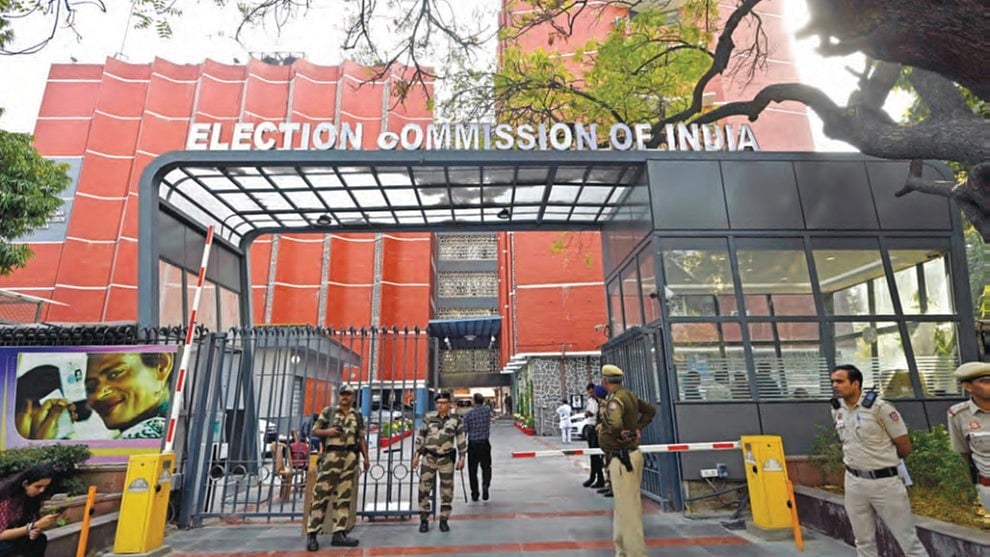
The office of the Chief Electoral Officer (CEO) in West Bengal has taken a tough stand against several election officials. A formal report has been sent to the Election Commission of India in New Delhi recommending punishment for these workers. The report claims that some officers intentionally failed to do their jobs during the recent update of the state’s voter list. This neglect has caused a massive delay, leaving millions of voter applications stuck in a legal review process.
Main Impact
The primary impact of this situation is a major backlog in the state's electoral records. Because certain officers did not upload voter documents on time, nearly 60 lakh (6 million) cases could not be finished. These cases have now been moved to a process called judicial adjudication. This means a judge or a senior official must now look at each case individually to decide if the person can be added to the voter list. This has caused stress for voters and created a heavy workload for the legal system.
Key Details
What Happened
During the Special Intensive Revision of the voter list, officers were given very clear instructions. When a voter came in for a hearing and submitted their papers, the officers were supposed to upload those documents into the computer system on the very same day. This was meant to keep the process moving quickly and accurately.
However, the CEO’s office found that many Electoral Registration Officers (EROs) and their assistants (AEROs) did not follow these rules. Instead of uploading the files immediately, they waited until the last possible minute. In many cases, they did not upload them at all. The report says these delays were not just accidents but were done on purpose by some staff members.
Important Numbers and Facts
On February 28, the government published the final voter list for West Bengal. However, this list was missing about 60 lakh names because their paperwork was incomplete. These missing cases are now being handled separately. The authorities have promised to release extra lists later as each case is cleared. The report sent to New Delhi names specific officers who are believed to be responsible for these delays and asks for disciplinary action against them.
Background and Context
The voter list is a very important document in any democracy. It ensures that every eligible person has the right to vote and that the elections are fair. In a large state like West Bengal, keeping this list updated is a huge task. The Special Intensive Revision is a period where the government focuses on adding new voters, removing names of people who have passed away, and fixing mistakes in addresses or names.
When election officers do not follow the rules, it hurts the entire system. If documents are not uploaded on time, the computer system cannot process the applications. This leads to a situation where millions of people might worry that they cannot vote in the next election. The Election Commission takes these duties very seriously because the officers are working under a special constitutional authority during this time.
Public or Industry Reaction
This situation has led to a public argument between the CEO’s office and the West Bengal Civil Service (Executive) Officers’ Association. The association, which represents the officers, was not happy with the report. They accused the CEO, Manoj Kumar Agarwal, of blaming field-level officers for a problem that might be bigger than just a few people. They felt that the officers were being made to look bad unfairly.
The CEO’s office quickly responded to these complaints. They clarified that they are not blaming every single officer. However, they insisted that the facts show a specific group of officers did fail to do their work. The CEO’s office also gave a stern warning to the association. They reminded the officers that while they are working on election duties, they must follow the rules of the Election Commission. They warned that making public comments based on rumors or trying to discredit the commission could lead to serious trouble for the officers involved.
What This Means Going Forward
The next steps depend on the Election Commission of India in New Delhi. They will review the report and decide what kind of punishment the accused officers will face. This could include marks on their service records or other disciplinary measures. For the voters, the process is not over. The 60 lakh cases that are "under adjudication" will continue to be reviewed. As these reviews are finished, the government will release supplementary voter lists. People whose names were missing from the February 28 list should keep an eye out for these updates.
Final Take
This event shows how important it is for government officials to follow strict timelines, especially when it comes to voting rights. When rules are ignored, the entire democratic process slows down. The tension between the CEO’s office and the officers' association highlights the pressure involved in managing elections. Moving forward, the focus will be on clearing the massive backlog of voter cases and ensuring that every eligible citizen is correctly listed so they can exercise their right to vote.
Frequently Asked Questions
Why were 60 lakh names left off the voter list?
These names were left off because their paperwork was not finished on time. Some officers failed to upload the necessary documents, so the cases had to be sent for a legal review called adjudication.
What is judicial adjudication in this context?
It is a process where a senior official or judge reviews a voter's application because there was a problem or delay with their documents. This ensures that the information is correct before the person is added to the list.
Will the people missing from the list still be able to vote?
Yes, if their cases are cleared during the review process. The government will publish extra lists (supplementary lists) as these cases are resolved, adding the eligible voters back to the rolls.