
Summary
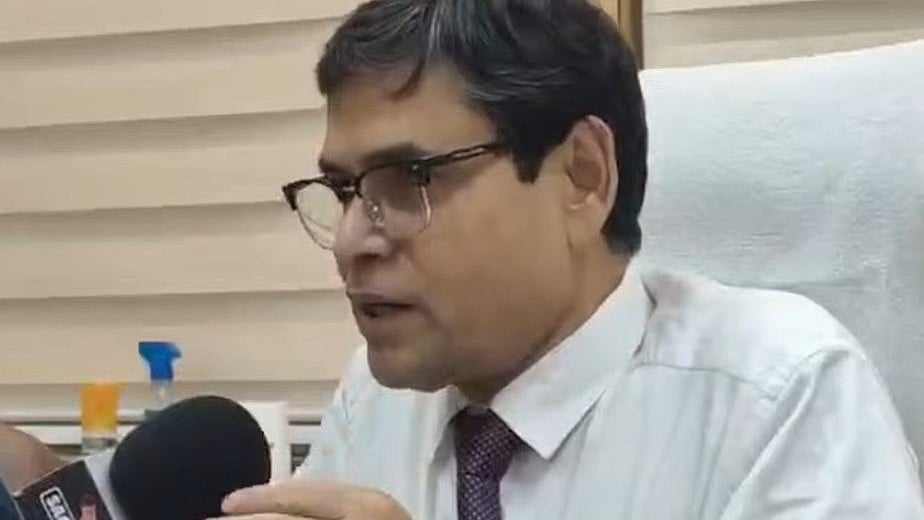
A former judge from the Calcutta High Court, Sahidullah Munshi, has had his name and his family's names put back on the West Bengal voter list. This change happened just hours after the retired judge spoke to the media about being left out of the rolls. While his case was solved quickly, millions of other people in the state are still struggling to fix their voter status before the upcoming elections in late April. The situation has caused a lot of worry among the public regarding the fairness of the current voter list cleanup.
Main Impact
The main impact of this event is the clear difference between how the system works for famous people and how it works for regular citizens. When a former high court judge complained about his missing name, the election officials fixed the error almost immediately. However, thousands of ordinary people are spending their days visiting government offices and waiting for answers that do not come. This has led to claims that the voter list revision process is not being handled equally for everyone.
Key Details
What Happened
Sahidullah Munshi served as a judge at the Calcutta High Court for seven years before retiring in 2020. Recently, he discovered that his name was listed as "not found" on the official voter rolls. His wife and son were also listed as being "under adjudication," which means their status was still being decided. This happened even though the family had gone through the verification process twice and had given all the correct papers to the officials. After the judge went public with his story, his name appeared on a new supplementary list on March 27.
Important Numbers and Facts
The scale of the voter list changes in West Bengal is very large. Reports show that about 75 lakh names have been removed from the rolls so far. This number represents nearly 10 percent of all voters in the state. In addition to those removed, millions of other names are currently under review. The Special Intensive Revision (SIR) is meant to clean up the lists by removing people who have died, moved away, or have double entries. However, the high number of removals has caused widespread panic among the population.
Background and Context
The Special Intensive Revision, or SIR, is a process used by the Election Commission to make sure the voter lists are accurate before an election. In West Bengal, this is happening just weeks before the state goes to the polls. Because the timeline is so short, many people feel they do not have enough time to fix errors. Usually, these lists are updated slowly over time, but this intensive drive has put a lot of pressure on both the voters and the local officials who manage the booths.
The Supreme Court of India has even stepped in because of these concerns. The court ordered the creation of special groups, called appellate tribunals, to hear complaints from people who have been left off the list. These groups are led by former judges to ensure that the process is fair and that people have a way to fight for their right to vote.
Public or Industry Reaction
The reaction from the public has been one of confusion and frustration. Many families report that some of their members are on the list while others are not, even though they all live in the same house and submitted the same documents. Local booth-level officers are being overwhelmed by people asking for help. Political leaders have also raised their voices, claiming that the high number of deletions in certain areas could change the results of the election. While the Election Commission says the process is just a legal cleanup, many critics argue that the timing is poor and the system is too hard for regular people to navigate.
What This Means Going Forward
Going forward, the speed at which Judge Munshi’s name was restored will likely be used as an example by activists who want the same treatment for everyone. The Election Commission faces the difficult task of finishing the list cleanup without leaving out honest voters. If millions of people remain unable to vote by late April, it could lead to legal challenges and questions about the election's validity. The next few weeks will be critical as officials try to process the mountain of appeals from citizens who want their names back on the roll.
Final Take
The right to vote is a foundation of any democracy, and the list of voters must be accurate. While cleaning the rolls is a necessary task, it must be done with care and transparency. The fact that a high-profile figure could get his status fixed in hours shows that the system can be efficient when it wants to be. The challenge now is to make sure that every citizen, regardless of their job or status, gets that same level of service and the chance to cast their vote on election day.
Frequently Asked Questions
Why were so many names removed from the West Bengal voter list?
The names were removed as part of a special cleanup drive to delete entries for people who have died, moved to other areas, or were listed more than once. However, many people claim their names were removed by mistake despite having proper documents.
What should I do if my name is missing from the voter roll?
Voters who find their names missing or under review should contact their local booth-level officer (BLO) or visit the official election website. They may need to submit their identity documents again to prove they are eligible to vote.
What is an appellate tribunal in this context?
An appellate tribunal is a special group of experts, often former judges, who listen to appeals. In this case, they have been set up to help people who feel they were wrongly left off the voter list and want a fair chance to have their names put back on.

