
Summary
West Bengal has recorded a high rate of voter name removals from its official lists. Recent data shows that the state saw a 10.9% net decrease in the number of registered voters. This puts West Bengal in fifth place among 12 states and Union Territories that were recently reviewed. These changes are part of a larger effort to clean up election records by removing people who have died, moved away, or are no longer eligible to vote.
Main Impact
The main impact of these deletions is a more accurate voter list for future elections. By removing names that should not be there, the state reduces the risk of "ghost voting" or errors during the election process. However, the data also shows that West Bengal had the lowest number of new voter additions among all major states. This combination of high removals and low additions means the total number of voters in the state has shrunk significantly compared to previous years.
Key Details
What Happened
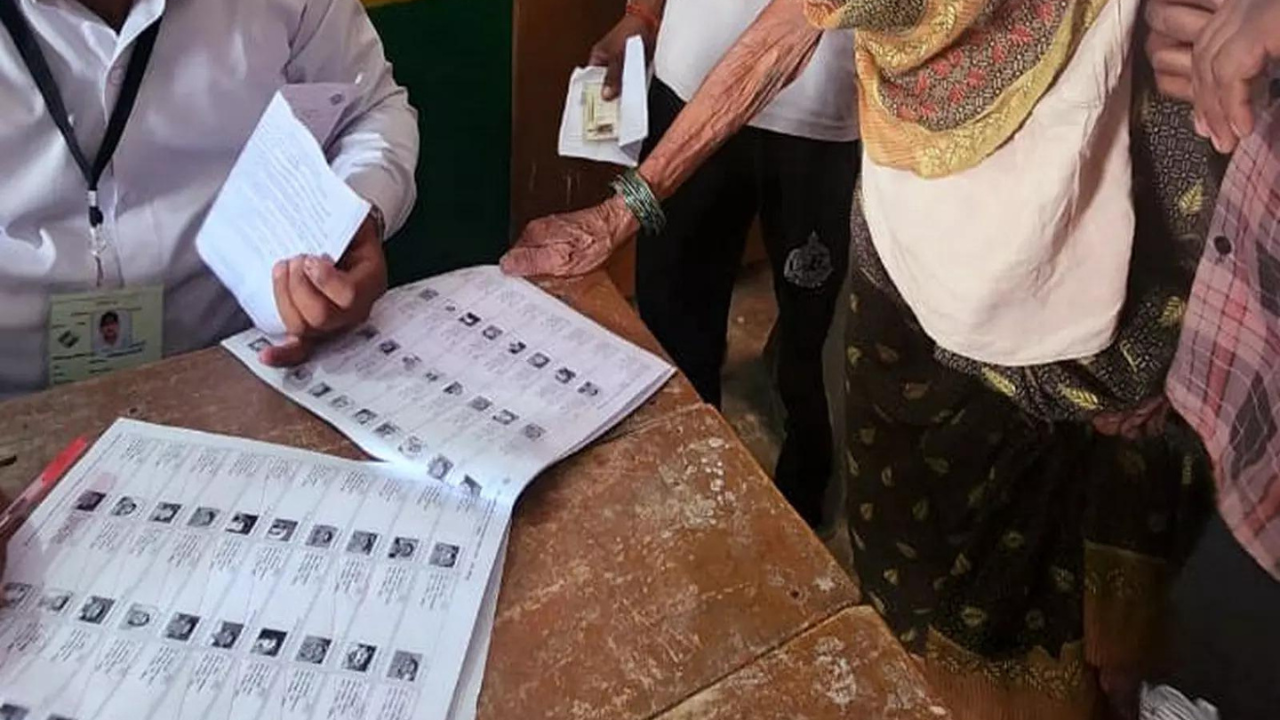
The Election Commission and local officials carried out a massive review of the voter rolls in West Bengal. During this process, they looked for names that needed to be taken off the list. This is a standard procedure, but the scale in West Bengal was much larger than in many other parts of the country. Even though many groups in the state disagreed with how the revisions were being handled, the authorities moved forward with the cleanup. The state ended up removing a large number of people who were classified as "ASD" electors. This term stands for voters who are Absent, Shifted, or Dead.
Important Numbers and Facts
The numbers show exactly how West Bengal compares to other regions. The state saw a net deletion rate of 10.9%. In terms of the total number of names removed, West Bengal ranked third in the country. When looking specifically at deceased voters, West Bengal was second only to Uttar Pradesh in the number of names it took off the books. Another important fact is that West Bengal led the country in deletions made through "adjudication." This means that government officials made the final decision to remove these names after a formal review process, rather than the names being removed automatically or through simple requests.
Background and Context
Voter lists are the foundation of any democracy. They tell the government who is allowed to cast a ballot. Over time, these lists can become messy. People move to different cities, some pass away, and others might be registered in two places at once. To keep elections fair, the government must update these lists regularly. In West Bengal, this process is often very tense. Political parties watch the lists closely because even a small change in the number of voters can change the outcome of an election. In the past, there have been many arguments about whether names were being removed fairly or if certain groups were being left out on purpose.
Public or Industry Reaction
The reaction to these deletions has been mixed. Some people believe that a cleaner list is better for everyone because it prevents fraud. They argue that removing dead or moved voters is a necessary step for a healthy democracy. On the other hand, some political groups and activists have expressed worry. They are concerned that the high rate of deletions, combined with very few new names being added, might mean that some eligible people are losing their right to vote. There has been a lot of talk about whether the "adjudication" process was handled correctly and if every person removed was given a fair chance to prove they still live in the state.
What This Means Going Forward
Moving forward, the focus will likely shift from removing names to adding new ones. Since West Bengal had the lowest rate of new voter additions, there will be pressure on the government to run more registration drives. Officials will need to make sure that young people who just turned 18 and people who have recently moved to the state are getting on the list. If the number of voters continues to drop while the population grows, it could lead to more questions about the accuracy of the system. Future elections will be the real test to see if these changes made the process better or if they caused new problems for citizens trying to vote.
Final Take
Cleaning a voter list is a difficult but necessary job. West Bengal has taken a very aggressive approach to removing inactive names, ranking near the top of the country for deletions. While this helps ensure that only real, local residents are on the list, the low number of new registrations is a sign that more work needs to be done. A truly successful voter list is one that is both clean of old names and full of every single person who has a legal right to vote.
Frequently Asked Questions
What does "net voter deletion" mean?
Net voter deletion is the difference between the number of names removed from the list and the number of new names added. In West Bengal, many more names were removed than added, leading to a 10.9% drop.
What are ASD voters?
ASD stands for Absent, Shifted, and Dead. These are the three main reasons why a name is removed from the voter list. It helps officials identify people who are no longer eligible to vote in a specific area.
Why did West Bengal have so many deletions?
The state used a process called adjudication, where officials reviewed records and made formal decisions to remove names. This resulted in West Bengal having some of the highest removal numbers in India, especially for deceased voters.



