
Summary
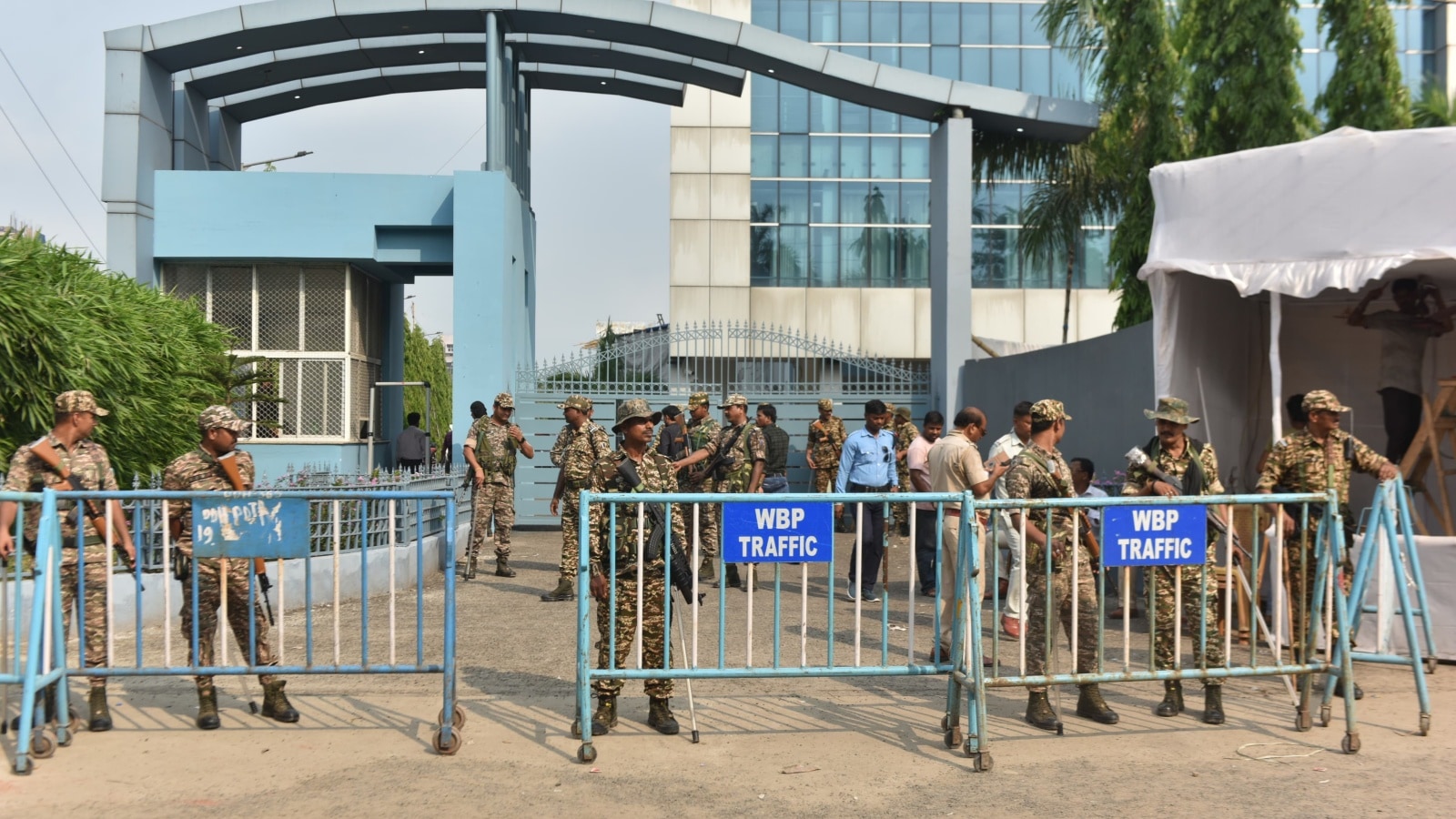
Thousands of people in West Bengal are facing a difficult race against time to save their right to vote. A special court, known as a tribunal, has been set up in Joka to handle complaints about names being removed from the voter list. However, the process is currently filled with confusion, poor planning, and a lack of clear information. Many voters and lawyers say they are struggling to navigate a system that feels broken and unorganized.
Main Impact
The biggest problem is that millions of people might not be able to vote in the upcoming elections. Because the tribunal in Joka is hard to reach and lacks a clear way of working, many citizens are stuck in a state of waiting. If their cases are not settled before the official voting deadlines in April, they will be left out of the democratic process. This has created a sense of panic among those who found their names missing from the latest government records.
Key Details
What Happened
The Election Commission set up these special courts to help people whose names were deleted during a recent voter list update called the Special Inquiry and Revision (SIR). The main office for these hearings is located at the National Institute of Water and Sanitation in Joka. While the courts were supposed to start working quickly, they have faced many stops and starts. Lawyers report that there is no clear schedule, and many people who traveled long distances to get there were told to go home without a hearing.
Important Numbers and Facts
The scale of the issue is massive. Reports show that over 60 lakh objections were filed regarding the voter list. In the most recent update, more than 21 lakh names were removed from the rolls. To handle this, the government requested 21 separate rooms for judges to hear cases. However, as of mid-April, only 16 of these courts were reportedly functioning. The deadlines are also very tight, with the final dates for voter inclusion falling on April 6 and April 9 for different phases of the election.
Background and Context
This situation started when the government began a process to "clean up" the voter list in West Bengal. The goal was to remove duplicate names or people who no longer lived in certain areas. However, many people claim their names were deleted by mistake. The Supreme Court of India had to step in and order the creation of these independent tribunals to make sure every citizen has a fair chance to argue their case. Joka was chosen as the central spot for these hearings, but its location on the edge of the city has made it very hard for poor families and elderly voters to attend.
Public or Industry Reaction
Lawyers and judges have expressed strong frustration. During a recent training session, several retired judges reportedly walked out because they were not given clear rules on how to run the hearings. They argued that without a standard plan, they could not make fair decisions. Litigants, like Aloke Basu from Haridevpur, have shared stories of visiting the Joka office for multiple days only to find no one who could tell them when their case would be heard. Many people have only received a simple text message with a reference number, but no information on where or when to show up.
What This Means Going Forward
The next few weeks are critical. If the Election Commission does not create a better way to communicate with voters, the number of unresolved cases will continue to grow. There is a strong demand for a digital system where people can track their cases online. Without this, the Joka office will likely remain overcrowded and chaotic. The risk is that the legal system will not be able to finish its work before the first phase of voting begins on April 23, leaving many people without a voice at the polls.
Final Take
A system meant to protect the right to vote is currently making it harder for people to stay on the list. While the intention of the tribunals is good, the lack of basic infrastructure and clear communication has turned a legal process into a logistical nightmare. For the people waiting outside the gates in Joka, the struggle is no longer just about a name on a list; it is about whether the system is organized enough to hear them at all.
Frequently Asked Questions
Why is the tribunal located in Joka?
The government chose the National Institute of Water and Sanitation in Joka because it had enough space to host multiple courtrooms and judges in one place. However, its distance from the city center has caused travel problems for many.
How do I know if my voter appeal is being heard?
Currently, most applicants only receive an SMS with an appeal number. There is no central website to check the status, so many people are forced to visit the Joka office in person to ask for updates.
What happens if my case is not resolved before the election?
If the tribunal does not approve your name before the nomination deadline for your area, you will likely not be allowed to vote in the 2026 elections. This is why the current delays are causing so much concern.



