
Summary
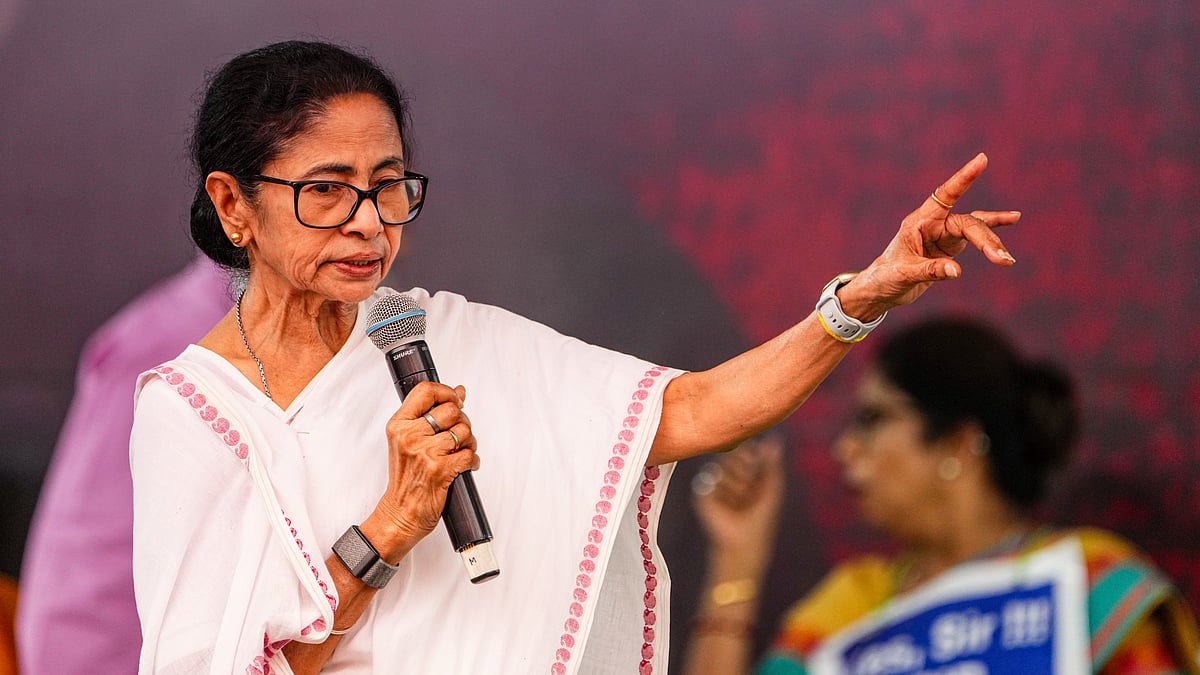
West Bengal Chief Minister Mamata Banerjee has issued a serious warning about a possible power crisis across the state. A long-running shortage of cooking gas, known as LPG, is forcing many families to use electric stoves and microwaves instead. This sudden increase in electricity use, combined with the high demand for air conditioning during the summer, is putting a heavy load on the power grid. The Chief Minister believes that if this trend continues, it could lead to frequent blackouts that affect daily life and the economy.
Main Impact
The primary concern is that the state’s energy infrastructure is not built to handle such a sudden shift in how people cook. When thousands of households switch from gas to high-power electric appliances at the same time, the risk of a grid failure increases. This situation creates a double problem: people cannot find gas to cook their meals, and the alternative they are using might cause the lights to go out. This could disrupt essential services like hospitals, schools, and public transport, while also making life difficult for the average citizen during the hot summer months.
Key Details
What Happened
For the past eight days, West Bengal has faced a severe shortage of LPG cylinders. During a high-level meeting at the state secretariat, the Chief Minister explained that households are now relying on induction cooktops and microwaves to prepare food. Because these appliances use a lot of power, they are straining the system. Experts have pointed out that this is happening just as temperatures rise, which is when people already use more electricity for fans and cooling systems. The combination of cooking and cooling needs could push the power grid past its limit.
Important Numbers and Facts
The crisis is already having a measurable impact on household budgets and energy use. Experts estimate that a family of four cooking two meals a day on an induction stove will use about 3 to 4 units of electricity daily. This adds an extra cost of Rs 700 to Rs 900 to their monthly power bill. Additionally, new rules from the Central government mean that people cannot book a new gas cylinder until 25 days after their last booking. This rule has made the shortage feel even worse for families who run out of gas quickly. The state is also looking back at the 2012 national power outage, which left 600 million people without electricity, as a warning of what could happen if the grid fails again.
Background and Context
This energy problem did not start with electricity. It began with a shortage of fuel, including petrol, diesel, and LPG. The Chief Minister has blamed the Central government for failing to plan for these shortages. She suggested that the supply chain was not managed properly and claimed that gas stocks might have been sent to other states instead of being shared fairly. This lack of gas is now affecting more than just homes. It is hitting the transport sector, where many auto-rickshaws and buses run on gas, and it is making it hard for schools to provide midday meals for children.
Public or Industry Reaction
The reaction from the public has been one of worry and frustration. Homemakers have expressed concern about the high cost of buying new electric cooking tools and the need for expensive new wiring in their homes to support them. In the business world, some large IT companies in Kolkata have already started asking employees to work from home for two days a week. This is because the fuel shortage has made it harder for people to find public transport. Small businesses are also worried, as they do not have the backup generators needed to stay open during long power cuts.
What This Means Going Forward
If the gas supply is not restored soon, the pressure on the electricity grid will only grow. The state government has ordered local officials and police to watch out for people who are hiding gas cylinders to sell them at high prices on the black market. There is also a fear that if power cuts become regular, food kept in refrigerators will spoil, and water pumps in many areas will stop working. The next few weeks will be critical as the state tries to balance the need for cooking fuel with the need to keep the power grid stable.
Final Take
The current situation in West Bengal shows how closely different types of energy are linked. A shortage in cooking gas has quickly turned into a threat to the entire electricity system. To prevent a total energy failure, there needs to be a fast and fair distribution of fuel. Without immediate action to fix the gas supply, the state faces a difficult summer where both the kitchen and the power grid could go cold.
Frequently Asked Questions
Why is there a risk of power cuts in West Bengal?
Because there is a shortage of cooking gas, many people are using electric stoves and microwaves. This uses a lot of electricity and puts too much pressure on the power grid, especially during the hot summer.
How much does it cost to cook with electricity?
For a typical family, using an induction stove and microwave for daily meals can cost between Rs 15 and Rs 25 per day. This can add up to nearly Rs 900 extra on a monthly electricity bill.
How is the fuel shortage affecting transport?
Many auto-rickshaws and buses use gas to run. Because they cannot find enough fuel, there are fewer vehicles on the road, leading some companies to let their employees work from home.

