
Summary
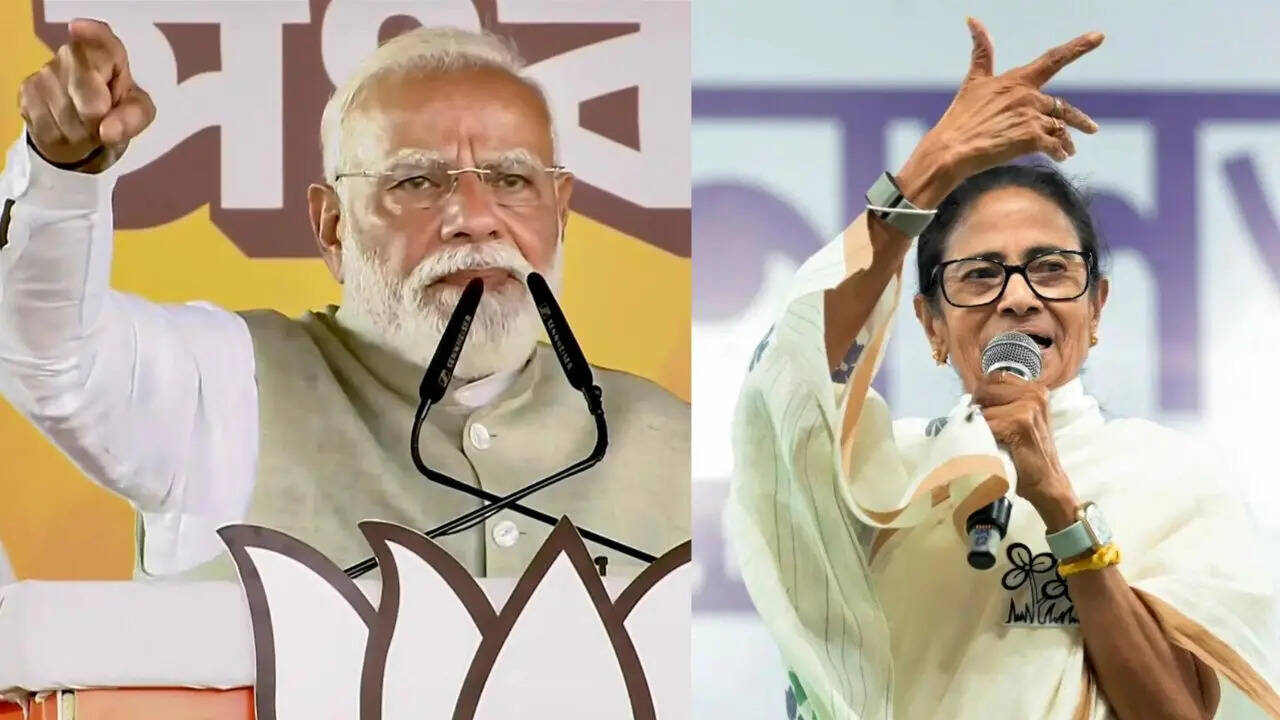
The political environment in West Bengal is growing more intense as the state approaches a major election period. The All India Trinamool Congress (TMC) has brought back its successful strategy of labeling opponents as "outsiders" to protect its home turf. By using the term "bohiragoto," the party aims to create a clear line between local leaders and those coming from other parts of India. This move is designed to appeal to the cultural pride of the Bengali people and stop the growth of the Bharatiya Janata Party (BJP) in the region.
Main Impact
The return of identity politics is changing how candidates are viewed by the public. Instead of focusing only on development or the economy, the conversation has shifted toward who is a "true" Bengali. This strategy forces the BJP to constantly prove that it understands and respects local traditions. For the TMC, this narrative acts as a shield, helping them maintain their image as the sole protectors of Bengali culture. The impact is a deeply divided political scene where a candidate's background is often discussed more than their actual plans for the state.
Key Details
What Happened
The latest spark in this debate came when famous tennis player Leander Paes joined the BJP. Almost immediately, critics and opposing party members began using labels like "outsider" and "parachuted candidate" to describe him. Even though Paes has deep roots and a famous name, the political machinery quickly moved to frame him as someone who does not represent the local "Bhadralok" or cultured middle class. This is a repeat of the 2021 election strategy where the TMC successfully painted the BJP as a party of people from outside the state who did not understand local life.
Important Numbers and Facts
In the 2021 assembly elections, the "outsider" narrative was credited with helping the TMC win a massive majority, securing 213 out of 294 seats. The BJP, despite a very strong campaign, was kept to 77 seats. Political experts believe that the "bohiragoto" tag played a major role in swinging the votes of the undecided middle class. Current data shows that the TMC is doubling down on this message, using social media and local rallies to remind voters of the cultural differences between their leaders and those sent by the central government in Delhi.
Background and Context
To understand this fight, one must understand the terms "Bohiragoto" and "Bhadralok." "Bohiragoto" simply means an outsider or someone who does not belong to the land. In Bengal, this is a powerful insult because the state takes great pride in its unique language, food, and history. On the other hand, the "Bhadralok" refers to the educated, cultured, and polite class of Bengalis who have led the state's social and political life for decades. By calling the BJP "bohiragoto," the TMC is telling voters that the BJP is the opposite of the "Bhadralok" values. They suggest that the BJP brings a different culture that does not fit with the local way of life, such as different food habits or religious practices.
Public or Industry Reaction
The reaction to this strategy is mixed. Many local voters feel a sense of protection and pride when their leaders defend Bengali identity. They see the TMC as a wall against a "one-size-fits-all" national culture. However, critics argue that this is a divisive tactic that ignores real issues like jobs and infrastructure. The BJP has tried to counter this by celebrating Bengali icons like Subhash Chandra Bose and Rabindranath Tagore. They want to show that they are just as Bengali as anyone else. Some business leaders also worry that focusing too much on "insider vs. outsider" might make the state look less welcoming to investment from other parts of the country.
What This Means Going Forward
As the election draws closer, expect the "outsider" rhetoric to get even louder. The TMC will likely use every opportunity to highlight when a BJP leader makes a mistake regarding local customs or language. The BJP will have to work harder to field local faces and speak the local language to break this image. If the TMC succeeds in making the election a choice between "us" and "them," they may repeat their past victories. However, if voters decide that economic growth is more important than cultural identity, the "outsider" tag might lose its power. The next few months will show if this old strategy still has the same magic it had five years ago.
Final Take
The battle for West Bengal is more than just a race for seats; it is a fight over the soul and identity of the state. By using the "bohiragoto" label, the TMC is playing a high-stakes game of cultural politics. While it helps them connect with local emotions, it also highlights the deep divisions in modern Indian politics. Whether this focus on identity helps or hurts the state in the long run remains to be seen, but for now, it is the most powerful tool in the political toolbox.
Frequently Asked Questions
What does "Bohiragoto" mean in Bengal politics?
It is a term used to describe "outsiders." In politics, it is used to claim that certain parties or leaders do not understand or belong to the local Bengali culture.
Why is the "Bhadralok" image important?
The "Bhadralok" represents the cultured and educated middle class of Bengal. Political parties try to appeal to this group because they are influential in shaping public opinion and voting trends.
How did the "outsider" tag affect the last election?
In 2021, the TMC used this narrative to convince voters that the BJP was a party from North India that would change Bengal's culture. This helped the TMC win a large majority of seats.



