
Summary
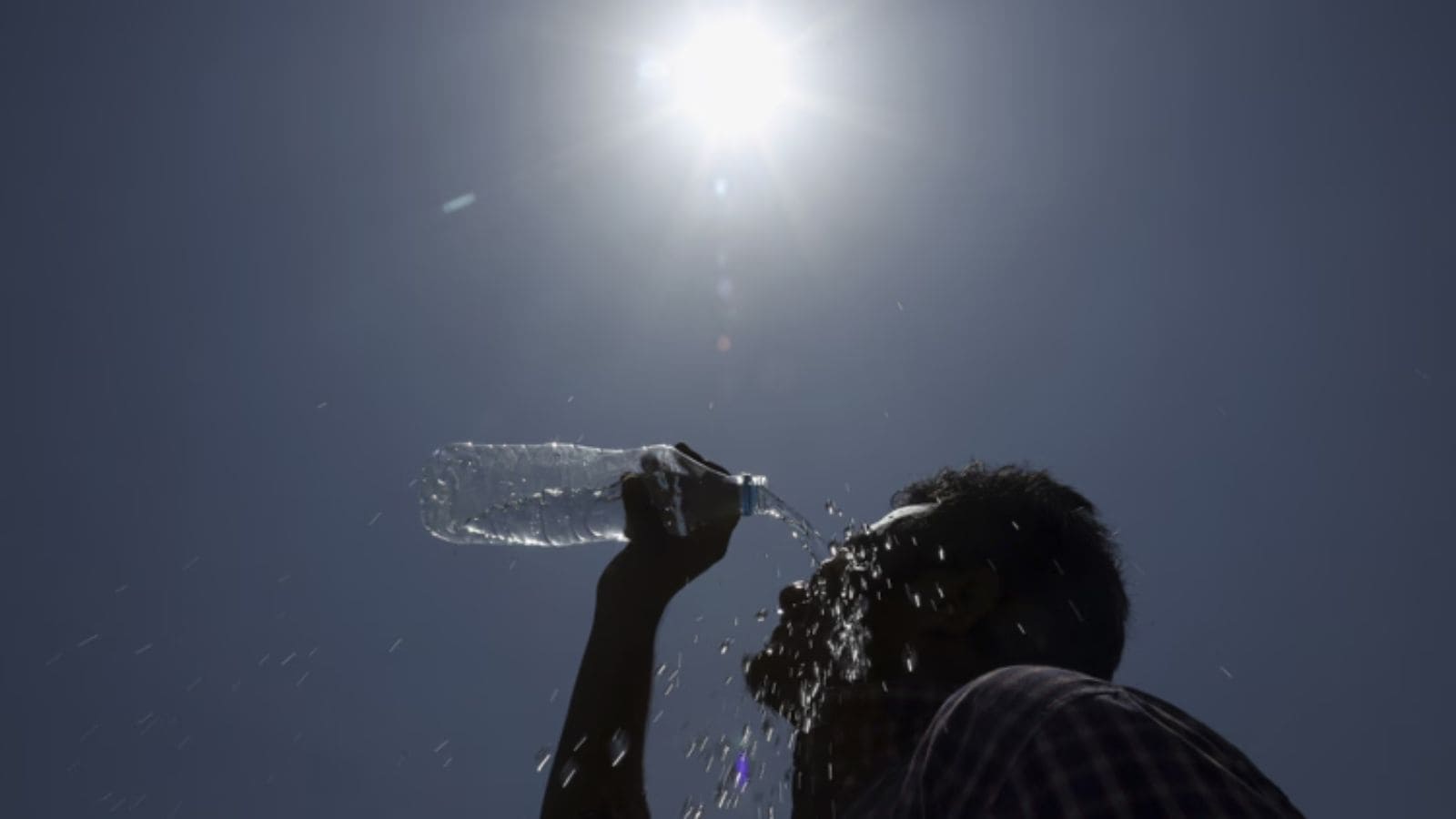
The India Meteorological Department (IMD) has issued a serious weather warning for voters in West Bengal. As the state prepares for the next phase of elections, a severe heat wave is expected to hit 12 districts. Weather experts are advising citizens to head to the polling stations early in the morning, ideally before 11 am, to avoid the most dangerous heat of the day. This warning comes as temperatures are predicted to rise significantly above the seasonal average, posing health risks to those standing in long lines.
Main Impact
The primary impact of this weather alert is on voter safety and the overall turnout of the election. Extreme heat can lead to physical exhaustion, dehydration, and heatstroke, especially for elderly citizens and children accompanying their parents. If voters decide to stay home to avoid the sun, it could lead to a lower number of people participating in the democratic process. Local authorities are now working quickly to ensure that polling stations have the necessary supplies to keep people cool and safe during the hottest hours.
Key Details
What Happened
The IMD released a specific advisory targeting the regions in West Bengal where voting is scheduled to take place. They noted that a dry, hot wind from the northwest is pushing temperatures up across the state. Because the heat is expected to be "severe," the weather office took the unusual step of giving specific timing advice for voters. They suggested that the window between 7 am and 11 am is the safest time to be outdoors. After midday, the risk of heat-related illness increases sharply as the sun reaches its peak intensity.
Important Numbers and Facts
The heat wave is expected to affect 12 districts, mostly in the southern and western parts of West Bengal. Forecasters predict that temperatures in these areas will be 4 to 6 degrees Celsius higher than what is normal for this time of year. In some specific locations, the mercury is expected to cross the 42-degree Celsius mark. The IMD uses the term "severe heat wave" when the maximum temperature is at least 6.4 degrees above normal or when it stays above 45 degrees Celsius for two consecutive days.
Background and Context
West Bengal is no stranger to hot summers, but the intensity of heat waves has been increasing over the last few years. This year, the timing of the heat wave overlaps directly with several phases of the general elections. Organizing an election in a tropical climate requires careful planning, but record-breaking temperatures add a new layer of difficulty. The Election Commission of India has previously issued guidelines for heat management, but the current forecast for West Bengal is particularly worrying due to the lack of rain and high humidity in some areas, which makes the heat feel even worse than the actual temperature suggests.
Public or Industry Reaction
Political parties have expressed concern that the weather might keep their supporters away from the booths. Many candidates have shifted their campaigning schedules to the early morning or late evening to avoid the afternoon sun. On the ground, the Election Commission has directed local officials to provide basic facilities at every polling station. This includes shaded waiting areas, cold drinking water, and fans. In some districts, medical teams and mobile ambulances will be stationed near large polling centers to handle any emergencies. Volunteers are also being encouraged to help elderly voters move through the lines more quickly.
What This Means Going Forward
This situation highlights the growing challenge of holding large-scale events during extreme weather. Moving forward, there may be more discussions about changing election schedules or extending voting hours into the cooler evening periods. For now, the focus remains on immediate safety. Health officials recommend that anyone going out to vote should wear light cotton clothes, carry an umbrella, and drink plenty of water even if they do not feel thirsty. The government may also consider providing more indoor waiting spaces for future elections if these extreme heat patterns continue to occur during the spring and summer months.
Final Take
Voting is a vital part of a healthy democracy, but personal health must remain a priority. By following the advice of weather experts and reaching the polling booths early, citizens can fulfill their civic duty without putting their lives at risk. The cooperation between weather forecasters, election officials, and the public will be tested as West Bengal faces one of its hottest election days in recent history. Staying informed and prepared is the best way to handle the rising temperatures while ensuring every voice is heard.
Frequently Asked Questions
Why did the IMD suggest voting before 11 am?
The IMD suggested this because temperatures usually start to rise rapidly after 11 am. By voting early, people can avoid the peak heat of the afternoon, which is when heatstroke and dehydration are most likely to happen.
Which districts in West Bengal are most affected?
While 12 districts are under alert, the most affected areas are usually in South Bengal and the western districts like Bankura, Purulia, and Birbhum, where the heat is often more intense due to the geography of the region.
What should I bring to the polling station to stay safe?
It is recommended to bring a bottle of water, a hat or umbrella for shade, and a small hand fan. Wearing loose, light-colored clothing will also help your body stay cool while waiting in line.



