
Summary
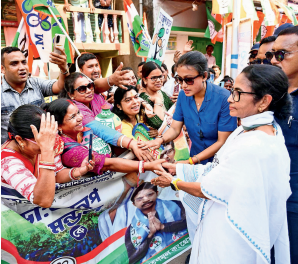
West Bengal is currently facing a major political turning point as Chief Minister Mamata Banerjee campaigns for a fourth consecutive term in office. While elections are usually a test of a leader's performance, a new factor known as SIR has changed the entire situation. This system has led to the removal or questioning of one out of every ten voters in the state. This massive change has shifted the focus of the election from government work to deeper issues of identity and who has the right to vote.
Main Impact
The most significant impact of this development is the sheer number of people affected by the SIR process. With 10% of the voting population either removed from the lists or put under review, the election is no longer just about roads, jobs, or schools. Instead, it has become a struggle over who belongs in the state and who is being excluded. This has created a sense of uncertainty among millions of residents who are now worried about their legal standing and their ability to participate in the democratic process.
Key Details
What Happened
As the state prepares for the upcoming polls, the administrative process called SIR has taken center stage. This process involves a strict review of the voter lists to ensure that only eligible citizens are included. However, the scale of the deletions and reviews has surprised many. In many areas, people who have voted for decades suddenly found that their names were missing or marked for further investigation. This has forced political parties to change their strategies, moving away from talking about their achievements to addressing the fears of the public regarding their identity.
Important Numbers and Facts
The data shows that the impact is widespread across West Bengal. Approximately 10% of the total voter base has been impacted by the SIR system. This means that for every ten people who were ready to vote, one person has been told their status is not clear or has been removed entirely. Mamata Banerjee, who has led the state for three terms, is now facing a unique challenge where the rules of the game have changed just as she seeks a fourth term. The legal process of adjudication, which is a formal way of judging if someone is a valid voter, has become a daily reality for hundreds of thousands of families.
Background and Context
To understand why this matters, it is important to look at how elections usually work. Typically, a sitting government faces "anti-incumbency," which is a fancy way of saying that people might be tired of the same leader and want a change. Usually, voters judge the government on things like the economy or public services. However, in West Bengal, the introduction of identity-based checks has overshadowed these normal concerns. The state has a long history of debates over migration and citizenship, making any change to voter lists a very sensitive topic. By focusing on SIR, the election has moved from a debate about the future to a fight over the present rights of the people.
Public or Industry Reaction
The reaction from the public has been a mix of confusion and fear. Many citizens are spending their days at government offices trying to prove their identity and get their names back on the lists. Political experts note that this has created a divide in the state. The ruling party argues that these deletions are a way to target their supporters, while opposition groups often claim that the lists needed to be cleaned to ensure a fair election. Human rights groups have also expressed concern, stating that removing such a large number of voters could weaken the trust people have in the voting system. The conversation on the streets is no longer about which party will win, but about who will even be allowed to cast a vote.
What This Means Going Forward
Looking ahead, the results of this election will likely be shaped more by the SIR process than by any political campaign. If 10% of the voters are unable to participate, the final count could look very different from previous years. There is also the risk of long-term social tension. When a large group of people feels excluded from the system, it can lead to protests and legal challenges that last long after the election is over. The government that takes power will have to deal with the fallout of these identity checks and find a way to bring the community back together. This situation sets a new example for how voter lists might be managed in other parts of the country in the future.
Final Take
The battle in West Bengal has moved beyond a simple choice between political parties. It is now a fundamental question of identity and the right to be heard. While the government’s record still matters, the shadow of the SIR process is what will truly define this election. The outcome will show whether a leader can overcome the challenges of both a long time in power and a massive change in the voting population. This election will be remembered as the moment when the list of voters became just as important as the votes themselves.
Frequently Asked Questions
What is SIR in the context of the West Bengal election?
SIR refers to a system or process used to review and update the voter list in the state. It has resulted in many names being deleted or put under a legal review process called adjudication.
How many voters have been affected by this process?
About one in every ten voters in West Bengal has been affected. This means roughly 10% of the people who were expected to vote are now facing issues with their registration.
Why is this more important than anti-incumbency?
While anti-incumbency is about whether people like the current government, SIR is about whether people are even allowed to vote. Because it affects so many people, it has become the main issue that people are talking about during the election.



