
Summary
The Election Commission of India has reported a major change in the way elections are moving forward in West Bengal and Tamil Nadu. For the first time in many years, there have been no recommendations for repolling in these states during the initial stages of the vote. This is a big deal because both states, especially West Bengal, have a long history of voting troubles that usually require people to vote again. This shift suggests that the current election process is becoming more peaceful and organized.
Main Impact
The main impact of this news is the boost in confidence for the democratic process. When a state does not need a repoll, it means the voting was done fairly and without major interruptions. For voters in West Bengal and Tamil Nadu, this means their first vote counted and the security measures put in place were successful. It also shows that the strict rules set by the Election Commission are starting to change the behavior of political groups and local officials.
Key Details
What Happened
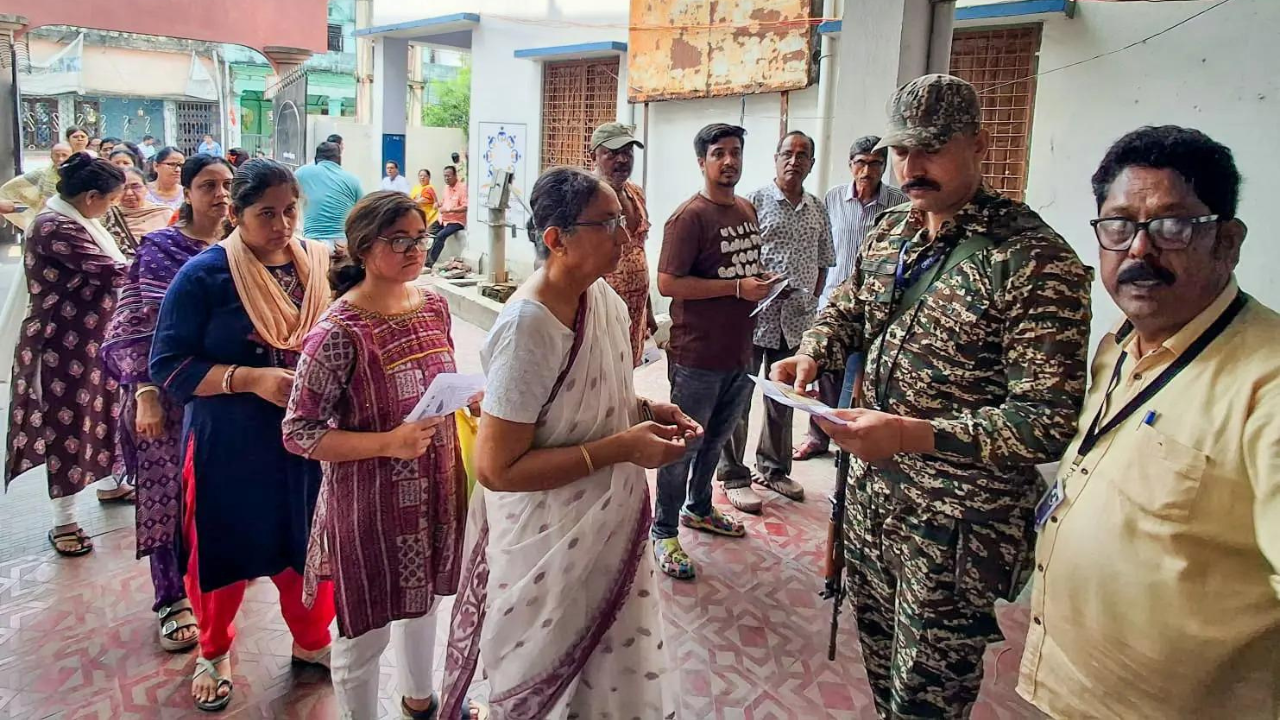
During the first phase of the national elections, observers and local election officers monitored thousands of polling stations. In the past, these officers would often find problems like broken machines, booth capturing, or violence. When these things happen, they recommend a "repoll," which means the original votes are canceled and people have to come back another day. This year, the Election Commission confirmed that no such recommendations were made for West Bengal or Tamil Nadu. This breaks a "past pattern" where these states were often the most troubled areas in the country during election season.
Important Numbers and Facts
In previous election cycles, West Bengal often saw dozens of polling stations requiring a second round of voting due to clashes between political workers. Tamil Nadu also faced issues, often related to the illegal distribution of money or gifts to influence voters. This time, the use of technology played a huge role. Over 50% of polling stations were monitored using live webcasting. This allowed senior officials to watch the voting process in real-time from a central control room. Additionally, thousands of security personnel from the central government were sent to these states to keep the peace at the booths.
Background and Context
To understand why this is important, we have to look at how elections usually work in these regions. West Bengal has faced decades of political tension. During local and national elections, it was common to hear news of fights or people being stopped from entering polling stations. Because of this, the Election Commission often labels the state as "sensitive." Tamil Nadu, while generally more peaceful in terms of physical fights, has a history of "inducements," where parties try to buy votes. The fact that both states have moved through the first phase without needing to redo any votes is a sign that the environment is changing. It shows that the "zero-tolerance" policy toward violence and cheating is being taken seriously by everyone involved.
Public or Industry Reaction
The reaction to this news has been mostly positive from election experts. Many believe that the heavy presence of central security forces helped keep troublemakers away. Local voters have expressed relief that they did not have to deal with the stress of a repoll. However, some political parties remain watchful. While they agree that the lack of repolling is a good sign, they continue to ask the Election Commission to stay alert for the remaining phases of the election. The Commission itself has credited the hard work of local ground staff and the use of better technology for this successful outcome.
What This Means Going Forward
This development sets a positive tone for the rest of the election weeks. If West Bengal and Tamil Nadu can maintain this peaceful trend, it might lead to a faster and more efficient counting process. It also reduces the cost of the election, as holding a repoll requires extra money, staff, and security. For future elections, this could mean that the Commission will continue to use high-tech monitoring and strict security as a standard practice. The goal is to reach a point where "repolling" becomes a very rare event across the entire country, not just in these two states.
Final Take
The absence of repolling in West Bengal and Tamil Nadu is a victory for the average voter. It shows that even in places with a difficult history, it is possible to hold a clean and quiet election. While there is still a long way to go before the entire election is finished, this start is a hopeful sign for the health of the country's democracy. It proves that when rules are followed and technology is used well, the will of the people can be recorded without fear or trouble.
Frequently Asked Questions
What is a repoll in an election?
A repoll is when the Election Commission decides that the original voting at a specific booth was not fair. This can happen because of violence, cheating, or technical problems. The old votes are deleted, and voters must vote again on a new date.
Why is it unusual for West Bengal to have no repolls?
West Bengal has historically dealt with high levels of political competition that sometimes led to violence at polling stations. In almost every major election in the past, several areas had to vote again because of these disruptions.
How did the Election Commission prevent problems this time?
The Commission used several tools, including live camera feeds from the polling booths and a large number of security guards. They also made sure that officials were trained to handle complaints quickly before they turned into bigger problems.



