
Summary
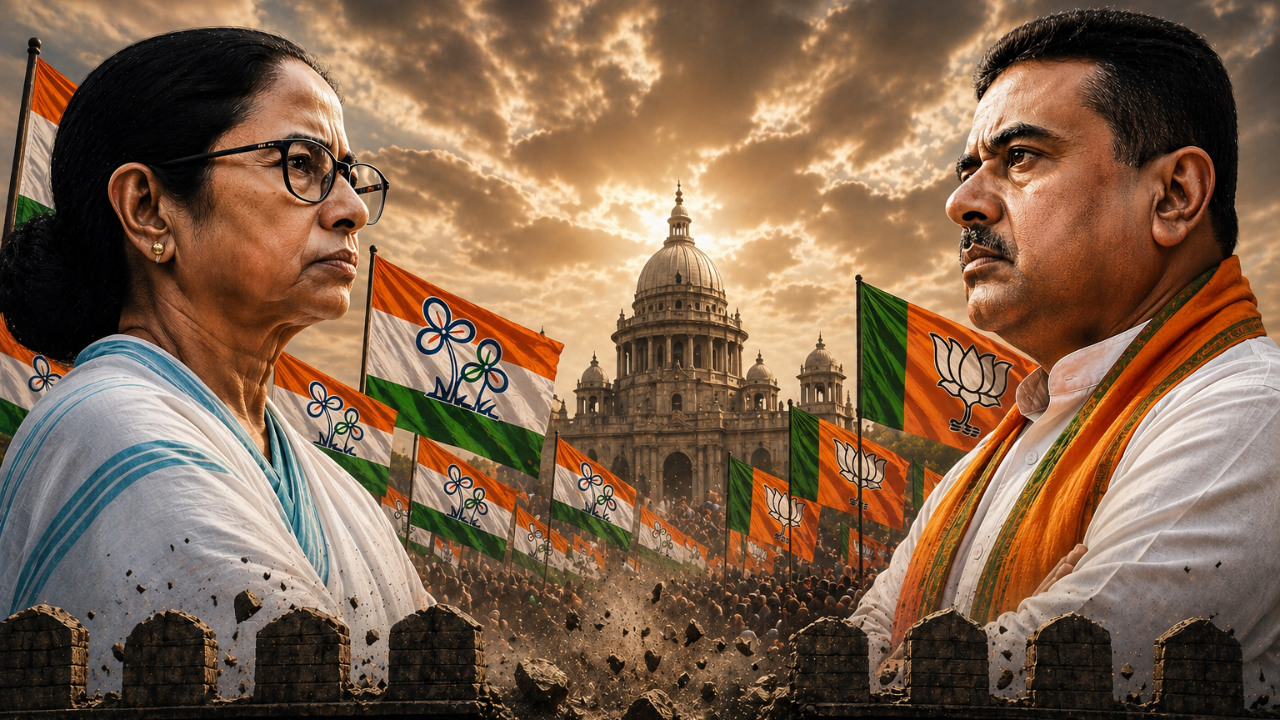
The second phase of the West Bengal elections is now underway, focusing on regions that have long been considered strongholds for Chief Minister Mamata Banerjee. The Bharatiya Janata Party (BJP) is making a major push to break through these traditional defenses and gain a foothold in the state. This stage of the election is a critical test for the Trinamool Congress (TMC) as it tries to protect its home turf from a rising opposition. The outcome will likely set the tone for the remaining parts of the voting process.
Main Impact
The main impact of this phase lies in its ability to shift the political balance of power in West Bengal. For years, these specific districts have voted heavily for the TMC, giving Mamata Banerjee a solid base of support. If the BJP manages to win even a few seats here, it would prove that their message is reaching voters who were previously unreachable. This could weaken the TMC's overall control and give the BJP the momentum it needs to challenge for the state government more effectively.
Key Details
What Happened
During the lead-up to this phase, both parties engaged in high-energy campaigning. Prime Minister Narendra Modi and other top BJP leaders held large rallies, focusing on themes of development and change. They argued that the current state government has failed to provide enough jobs and infrastructure. On the other side, Mamata Banerjee led a series of marches and public meetings. She focused on her government's social welfare programs, which provide direct help to women, students, and the elderly. The competition has been fierce, with both sides accusing the other of trying to mislead the public.
Important Numbers and Facts
This phase involves several key constituencies where voter turnout is historically high. In previous elections, the TMC won the majority of these seats with significant margins. However, in the 2019 national elections, the BJP showed a surprising increase in its vote share in these same areas. Political experts are watching to see if that trend continues or if the TMC has managed to win back those voters. Thousands of security personnel have been deployed to ensure the voting process remains peaceful, as West Bengal has a history of political tension during election cycles.
Background and Context
To understand why this phase matters, it is important to look at the history of West Bengal politics. For decades, the state was ruled by the Left Front. Mamata Banerjee changed that in 2011 when she led the TMC to a historic victory. Since then, she has been the dominant figure in the state. However, the BJP has grown from a small player into the primary challenger over the last few years. The BJP uses a strategy of national pride and promises of economic growth, while the TMC relies on local identity and grassroots social programs. This clash of styles is what makes the current election so intense.
Public or Industry Reaction
The public reaction has been a mix of loyalty and a desire for something new. Many voters in rural areas express deep gratitude for the TMC's "Lakshmir Bhandar" scheme, which provides financial aid to women. They see Mamata Banerjee as a leader who understands their daily struggles. However, younger voters and those in developing towns often talk about the need for more factories and better-paying jobs. They are more open to the BJP's promises of making West Bengal an industrial hub. Local political observers note that the defection of former TMC leaders to the BJP has also confused some traditional voters, making the final result harder to predict.
What This Means Going Forward
Looking ahead, the results of this phase will determine how the parties approach the next steps of the election. If the TMC holds its ground, it will show that Mamata Banerjee’s personal appeal is still the strongest force in Bengal. It would force the BJP to rethink its strategy for the later phases. On the other hand, if the BJP makes significant gains, it will likely lead to more aggressive campaigning in the remaining districts. This could also lead to more local leaders switching sides as they try to join the winning team. The safety and fairness of the voting process will also be a major talking point for the rest of the month.
Final Take
The second phase of the West Bengal election is a true test of political strength. It is a battle between a well-established regional power and a determined national challenger. While the TMC is fighting to keep its house in order, the BJP is trying to prove that no stronghold is safe. The choice made by the voters in these districts will echo across the entire state and could signal the beginning of a new era in Bengal politics. Every vote in this phase carries the weight of the state's future direction.
Frequently Asked Questions
Why is Phase 2 considered a stronghold for the TMC?
These areas have historically supported Mamata Banerjee because of her focus on rural development and social welfare schemes that benefit the local population directly.
Who are the key leaders involved in this phase?
The main leaders are Chief Minister Mamata Banerjee for the TMC and Prime Minister Narendra Modi along with local leaders like Suvendu Adhikari for the BJP.
What are the main issues for voters in this election?
The main issues include social welfare benefits, the need for new jobs and industries, and concerns over local governance and political safety.



