
Summary
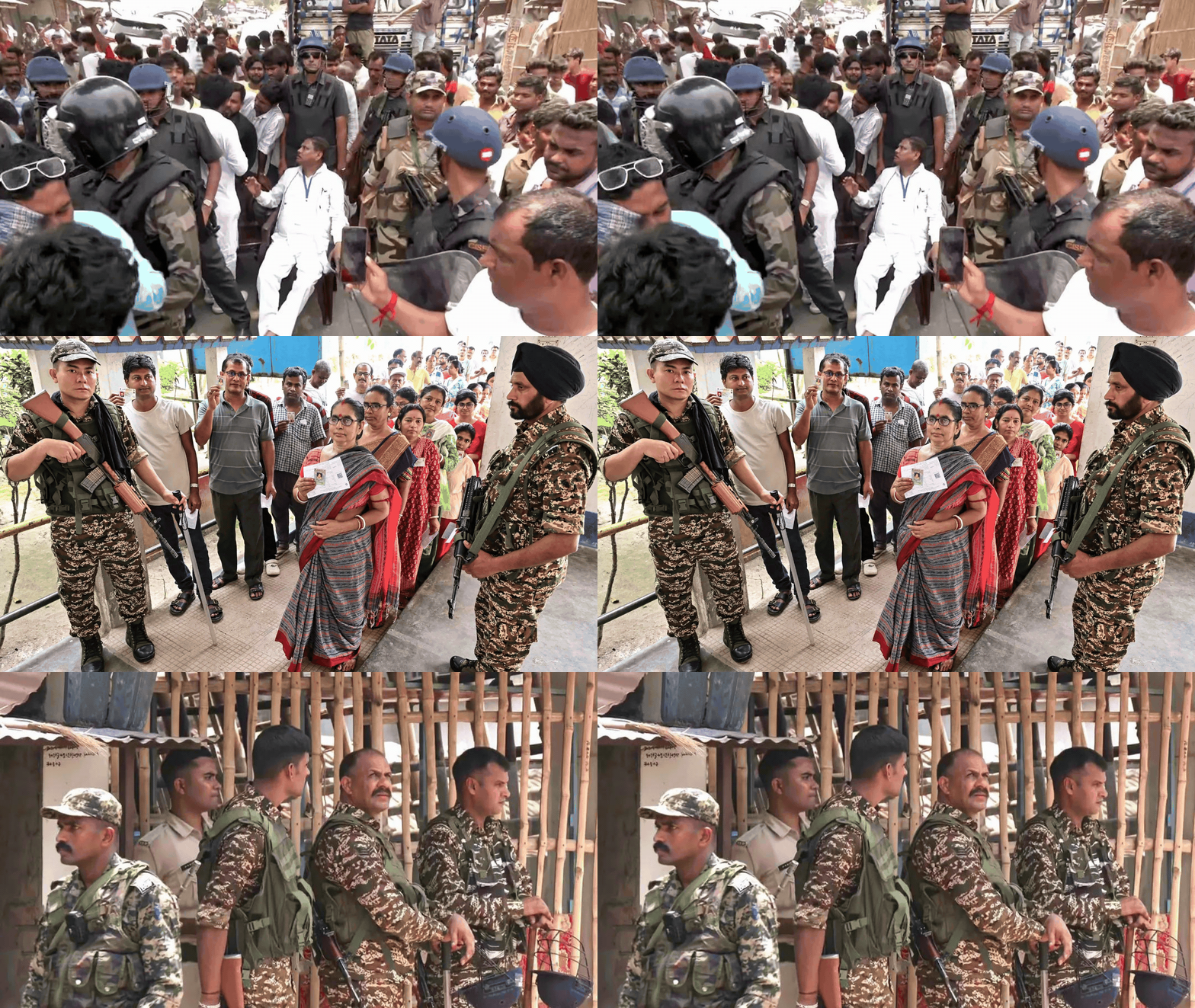
The first phase of voting in West Bengal began with reports of unrest and technical difficulties across several districts. While many citizens stood in long lines to cast their ballots, the day was marred by physical fights between political workers and the use of explosives. Candidates from major parties reported being blocked or harassed, and technical failures with voting machines caused significant delays at multiple polling stations. These events have raised concerns about the safety and fairness of the remaining stages of the election.
Main Impact
The primary impact of these incidents was a sense of fear and frustration among the local population. When violence breaks out near polling booths, it can discourage people from coming out to vote. The use of crude bombs and physical attacks creates a tense environment that requires a heavy police presence. Additionally, the failure of Electronic Voting Machines (EVMs) meant that some voters had to wait for hours in the heat, which led to anger and confusion at the grassroots level.
Key Details
What Happened
As the polls opened early in the morning, reports of trouble started coming in from districts like Cooch Behar and Jalpaiguri. In several areas, supporters of rival political parties gathered near booths and began shouting at each other, which quickly turned into physical pushing and shoving. A candidate from the Bharatiya Janata Party (BJP) claimed that their vehicle was targeted and that they were physically stopped from entering a polling station to check on the voting process. In other spots, witnesses reported hearing loud blasts caused by crude bombs thrown to scare away voters.
Important Numbers and Facts
The first phase covered three main constituencies in the northern part of the state. Thousands of security personnel, including central forces, were deployed to keep the peace, yet hundreds of complaints were filed with the Election Commission by the afternoon. Reports indicated that over a dozen EVMs had to be replaced or repaired due to technical glitches that stopped the voting process for several hours. Despite these problems, the voter turnout remained high in many areas, showing that people were still determined to participate in the democratic process.
Background and Context
West Bengal has a long history of intense political competition. For many years, elections in the state have been known for high energy but also for frequent reports of clashes between different groups. The two main sides in this election are the Trinamool Congress (TMC), which currently runs the state government, and the BJP, which is the main opposition. Both parties work very hard to win every seat, and this deep rivalry often leads to heated arguments and physical fights during the voting period. Understanding this history helps explain why so many security officers are sent to the state during election time.
Public or Industry Reaction
Political leaders from both sides were quick to blame each other for the trouble. The TMC leaders claimed that outside forces were trying to disturb the peace and intimidate their supporters. On the other hand, the BJP accused the local administration of failing to provide enough security for their candidates and voters. On social media, many citizens expressed their frustration, asking why elections cannot happen without violence. Election observers noted that while the majority of booths remained peaceful, the few places where violence occurred took most of the public attention.
What This Means Going Forward
The events of the first phase will likely lead to even tighter security in the next rounds of voting. The Election Commission may decide to move more central forces into sensitive areas to prevent further clashes. There will also be a focus on checking the voting machines more thoroughly before the polls open to avoid the technical delays seen this time. If the violence continues, it could lead to calls for re-voting in specific booths where the process was heavily disrupted. The goal for the next phase will be to ensure that every person can vote without feeling threatened.
Final Take
Voting is the most important part of a democracy, and it should be a time when people feel safe to share their voices. While the high turnout shows the strength of the voters, the recurring violence in West Bengal remains a serious challenge. Moving forward, the focus must stay on protecting the rights of the citizens and ensuring that the law is followed by everyone, regardless of their political party. A peaceful election is the only way to truly reflect the will of the people.
Frequently Asked Questions
Why was there violence during the West Bengal elections?
Violence often happens because of the strong rivalry between political parties in the state. Groups sometimes use force to try and control polling areas or scare away supporters of their opponents.
What happens if a voting machine (EVM) stops working?
If a machine fails, election officials are called to fix it or replace it with a new one. Voting is paused during this time and usually resumes once the new machine is tested and ready.
Who is responsible for security during the polls?
Security is handled by a mix of the local state police and central forces sent by the national government. The Election Commission of India oversees all security arrangements to try and keep the process fair and safe.



