
Summary
West Bengal is preparing for a massive democratic event as more than 3.6 crore people are eligible to vote in the first phase of the state assembly elections. This initial round of voting will take place on April 23 and covers 16 different districts. The Election Commission has finalized the voter lists, showing a large and diverse group of citizens ready to participate in choosing their next government. This phase is a critical start to the two-part election process that will decide the political future of the state.
Main Impact
The scale of the first phase is significant, as it involves nearly half of the total seats in the state assembly. With over 3.6 crore voters heading to the polls in a single day, the logistical and security requirements are immense. The outcome in these 16 districts will likely set the mood for the second phase and influence the overall results. By organizing such a large-scale event, the Election Commission aims to ensure that every eligible citizen has a fair chance to vote in a safe and orderly environment.
Key Details
What Happened
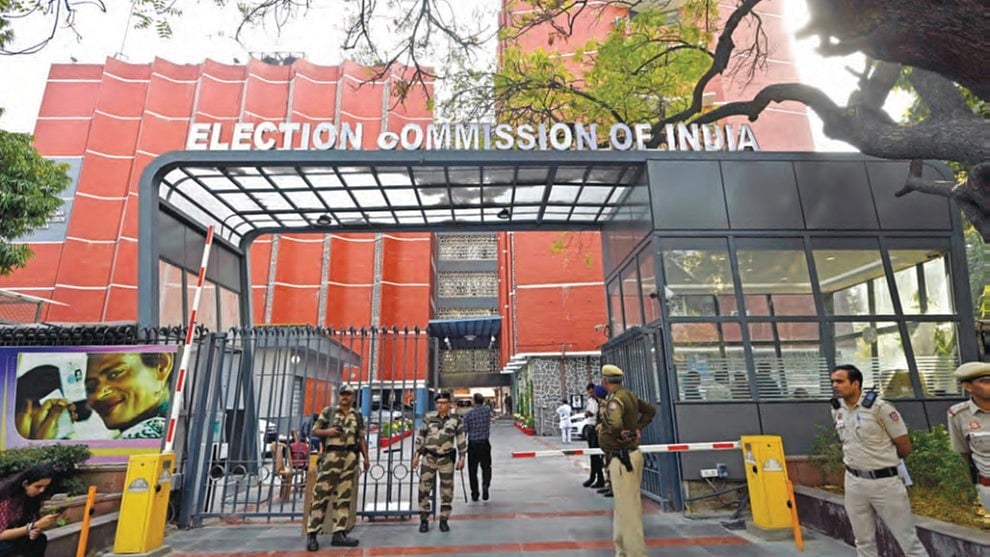
The Election Commission of India (EC) released the official voter data for the first phase of the West Bengal assembly elections. The data confirms that 16 districts will go to the polls on April 23. To ensure the process is fair, officials have spent months updating the electoral rolls, which are the official lists of people allowed to vote. This update included verifying names and making sure new voters were added while removing those who are no longer eligible.
Important Numbers and Facts
The total number of eligible voters for this phase stands at 3.6 crore. This group is divided into 1.84 crore men and 1.75 crore women. Additionally, 465 voters have registered under the third-gender category. The distribution of voters across the state varies greatly by district:
- Murshidabad: This district has the highest number of voters with 50.26 lakh people.
- Purba Medinipur: A major voting hub with 41.60 lakh electors.
- Paschim Medinipur: Another high-population area with 37.70 lakh voters.
- Kalimpong: This district has the lowest number of voters at 2.01 lakh.
In the northern part of the state, districts like Cooch Behar (22.63 lakh) and Malda (27.91 lakh) show strong numbers. In the western regions, Bankura leads with 29.19 lakh voters, followed by Birbhum with 26.91 lakh. These figures highlight the massive effort needed to manage polling stations across different types of terrain, from mountains to plains.
Background and Context
West Bengal elections are often held in multiple stages because the state has a very high population and complex geography. Breaking the election into phases allows the government to move security forces and election officials from one area to another. This ensures that there are enough people on the ground to prevent trouble and help voters. The Election Commission’s main goal is to keep the process "inclusive," which means making sure everyone, including women and marginalized groups, feels comfortable coming out to vote. The recent update to the voter rolls was a key part of this preparation, as it helps prevent errors on election day.
Public or Industry Reaction
Security is a major concern for both the public and political parties during West Bengal elections. To address this, the government is deploying specialized units like the Tripura State Rifles to assist local police. This move is generally seen as a way to provide extra safety and ensure that the voting process remains neutral. Voters and local leaders often look for these signs of preparation to feel confident about the fairness of the election. The Election Commission has stated that all arrangements are now in place to allow for a smooth and peaceful voting experience for the millions of people expected at the booths.
What This Means Going Forward
The first phase on April 23 will cover 152 assembly seats. Once this is finished, the state will quickly move toward the second phase on April 29, which will cover the remaining 142 seats. This quick succession means there is very little time for parties to change their strategies between the two dates. After all the votes are cast, the focus will shift to May 4, which is the official day for counting the votes. The results announced on that day will determine which party or group will lead the West Bengal government for the next five years.
Final Take
The upcoming vote is a massive test of the state's administrative and security systems. With 3.6 crore people ready to have their say in the first phase alone, the sheer volume of participation shows how important these elections are to the people of West Bengal. Success in this phase will depend on clear communication, strong security, and the active participation of the citizens across all 16 districts.
Frequently Asked Questions
When is the first phase of the West Bengal election?
The first phase of voting is scheduled to take place on April 23, 2026, covering 152 assembly seats across 16 districts.
How many people are eligible to vote in the first phase?
More than 3.6 crore people are registered to vote in this phase, including 1.84 crore men, 1.75 crore women, and 465 third-gender voters.
When will the final election results be announced?
The counting of votes for all seats in West Bengal is scheduled for May 4, 2026, after both phases of polling are complete.

