
Summary
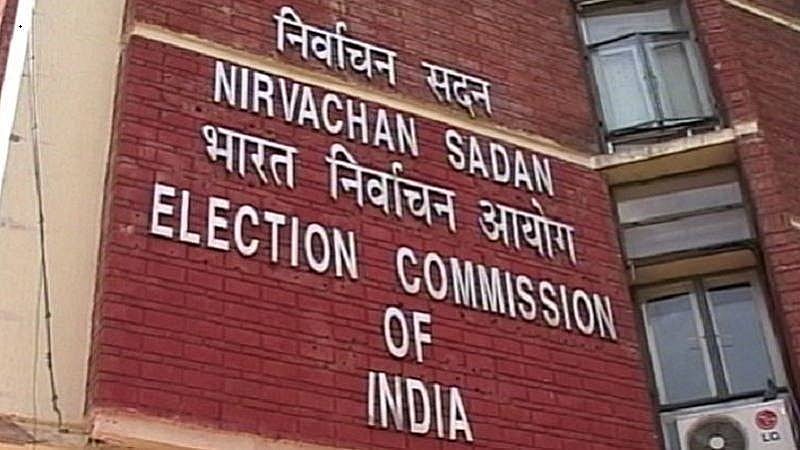
The Election Commission of India (ECI) has announced a strict new monitoring plan for the 2026 West Bengal assembly elections. To ensure the voting process is fair and stays peaceful, the commission will keep a close watch on its own electoral officers. This surveillance will cover everyone from local booth staff to high-ranking district officials. By using a multi-layered tracking system, the ECI hopes to prevent any irregularities or violence during the two phases of voting in April.
Main Impact
The most significant change in this election is how security forces will be managed. In the past, local district leaders had a say in where security teams were sent. Now, the ECI has taken that power away from them. Instead, central police observers will make all the decisions about where to move the Central Armed Police Forces (CAPF). This shift is designed to make sure that security is handled neutrally and that local political pressure does not influence where guards are stationed.
Key Details
What Happened
The Election Commission is setting up a two-tier control room system to watch the election as it happens. The first level will be at the district level, where officials will monitor individual polling booths in real time. They will make sure that every officer follows the official rules exactly. The second level will be a state-wide control room in Kolkata. This main office will watch the district officials themselves to see how quickly they respond to complaints from voters or political parties.
In addition to the control rooms, a large network of observers will be on the ground. Every one of the 294 voting areas in the state will have its own dedicated observer. These people are responsible for making sure the voting process is transparent and that no one is being intimidated at the polls.
Important Numbers and Facts
The elections will be split into two main dates. On April 23, 152 areas will vote. On April 29, the remaining 142 areas will cast their ballots. To keep things safe, the ECI is planning to use a massive amount of security. They expect to deploy at least 2,300 companies of central security forces for each phase of the election. A "company" is a large group of soldiers or police officers, meaning tens of thousands of personnel will be present across the state.
Background and Context
Elections in West Bengal have often been difficult to manage. In previous years, there have been many reports of clashes between political groups and claims that local officials were not being fair. Because of this history, the Chief Election Commissioner, Gyanesh Kumar, has made it a priority to ensure these polls are different. The goal is to create an environment where every citizen feels safe enough to go out and vote without fear.
The "Model Code of Conduct" is also in effect. This is a set of rules that political parties and the government must follow during election time. It prevents the government from making big promises or using state resources to win votes. By taking control of the police movement during this period, the ECI is making sure the code of conduct is strictly followed.
Public or Industry Reaction
The move has already sparked some debate among political leaders. Some local leaders have questioned why top officials are being moved or why local authorities are losing their power over security. There are concerns that taking power away from district magistrates might slow down response times. However, many voters and independent watchdogs welcome the move, believing that central control is the only way to stop local bias and ensure a truly democratic process.
What This Means Going Forward
This new strategy marks a major change in how the ECI handles sensitive elections. If this system of watching the watchers works well in West Bengal, it could become the new standard for other states in India that struggle with election violence. The success of this plan depends on how well the central observers and the state-level control room work together. The next few weeks will be a test of whether technology and central oversight can truly stop interference at the ground level.
Final Take
The Election Commission is sending a clear message that it will not tolerate any mistakes or bias from its staff. By using high-tech control rooms and removing local control over security forces, they are trying to build public trust. The focus is no longer just on the voters and the candidates, but also on the integrity of the people running the election itself. Whether these measures will result in a completely peaceful election remains to be seen, but the level of preparation is higher than ever before.
Frequently Asked Questions
Why is the ECI monitoring its own officers?
The ECI wants to make sure that every official stays neutral and follows the law. By watching them through control rooms, the commission can quickly fix any mistakes or stop any unfair behavior during the voting process.
Who will decide where the security forces go?
For the first time, local district officials will not have this power. Instead, central police observers appointed by the Election Commission will decide where to send the Central Armed Police Forces based on which areas are the most sensitive.
When will the voting take place in West Bengal?
The voting is divided into two parts. The first group of constituencies will vote on April 23, 2026, and the second group will vote on April 29, 2026.

