
Summary
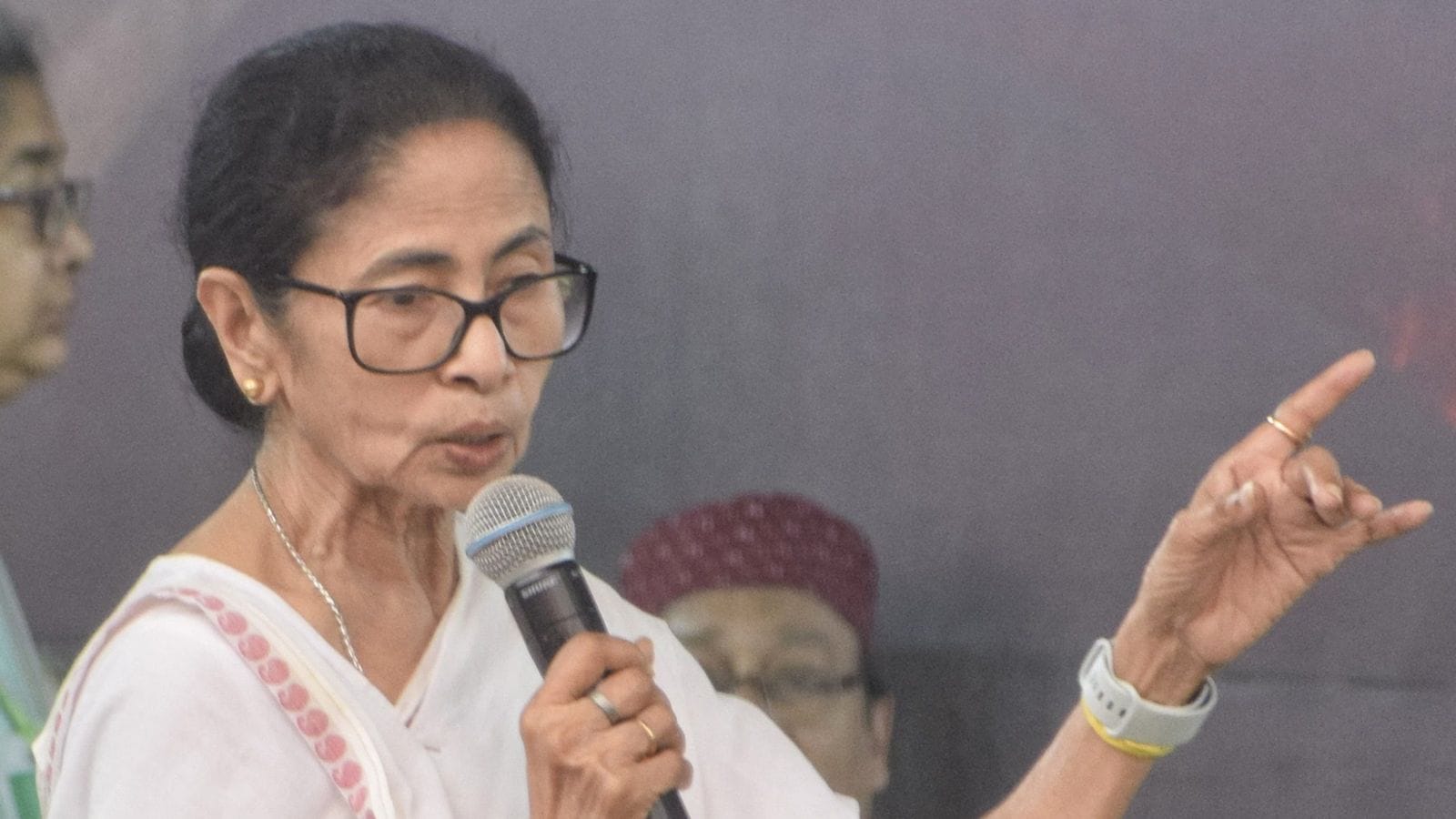
West Bengal Chief Minister Mamata Banerjee has announced a significant payout of Dearness Allowance (DA) arrears for state government employees. This decision was made public just minutes before the Election Commission of India announced the schedule for the upcoming polls. The timing is critical because once the election dates are set, the Model Code of Conduct begins, preventing the government from making new financial promises. This move aims to address a long-standing demand from workers who have been protesting for higher pay for several years.
Main Impact
The primary impact of this announcement is the immediate financial relief it provides to hundreds of thousands of state government workers and pensioners. For a long time, these employees have argued that their pay has not kept up with the rising cost of living compared to central government workers. By clearing these arrears now, the state government is attempting to resolve a major source of tension. This decision also has a political impact, as it removes a significant talking point for opposition parties just as the election campaign begins.
Key Details
What Happened
On the day the election schedule was expected, the Chief Minister used the final available moments to sign off on the DA arrears. The state government confirmed that the additional funds would be released to ensure that employees receive their dues. This follows a series of smaller hikes made over the last year, but this specific announcement focuses on the "arrears," which are payments that were owed from previous months or years but had not yet been paid out.
Important Numbers and Facts
The announcement affects approximately 800,000 state government employees, including teachers and non-teaching staff in schools. It also covers a large number of pensioners who rely on these payments for their daily needs. While the exact total cost to the state treasury is still being calculated, experts suggest it will run into thousands of crores of rupees. The timing was so close to the election notification that the official documents were processed in record time to ensure they were legal under election rules.
Background and Context
To understand why this matters, it is important to know what Dearness Allowance is. DA is a cost-of-living adjustment that the government pays to its employees to help them deal with inflation. In West Bengal, there has been a long-running dispute between the state government and its workers. The employees argued that they were receiving much less DA than central government employees, creating a "gap" in their earnings.
For over a year, various employee unions have held sit-in protests in Kolkata. Some workers even went on hunger strikes to demand their dues. The matter also reached the courts, with the Calcutta High Court and the Supreme Court hearing arguments about whether the state is legally required to match the central government's DA rates. The state government had previously said it did not have enough money to pay the full amount, making this sudden announcement a major shift in policy.
Public or Industry Reaction
The reaction to the announcement has been mixed. Many state employees expressed relief that they would finally see the money in their bank accounts. They view it as a victory for their long months of protesting. However, some union leaders remain skeptical, calling the timing "purely political" and questioning why the money was not released months ago when the protests were at their peak.
Opposition parties have criticized the move, calling it an attempt to "buy votes" right before the election. They argue that the government ignored the workers' pleas for years and only acted when they feared losing support at the ballot box. On the other hand, supporters of the ruling party say the Chief Minister has shown her commitment to the welfare of workers despite the state's difficult financial situation.
What This Means Going Forward
Going forward, the state government will have to manage its budget carefully to cover this large expense. Since the announcement was made before the Model Code of Conduct started, the payments can legally proceed during the election period. However, the government cannot make any further changes or new promises until the elections are over.
This move might set a precedent for how the state handles employee demands in the future. If the gap between state and central DA remains, workers may continue to ask for more. For now, the focus will be on how quickly the money reaches the employees and whether this decision will influence how government workers vote in the coming weeks.
Final Take
The decision to pay DA arrears is a major strategic move by the West Bengal government. It addresses a sensitive issue that has caused a lot of public anger over the last two years. By acting just minutes before the election clock started, the administration has ensured that it enters the campaign season having checked off a major item on its "to-do" list. Whether this will be enough to satisfy the workforce in the long run remains to be seen, but for now, it provides a much-needed boost to the bank balances of thousands of families.
Frequently Asked Questions
What is Dearness Allowance (DA)?
DA is an extra amount of money given to government employees and pensioners. It is calculated as a percentage of their basic salary to help them manage the rising prices of goods and services due to inflation.
Why was the timing of this announcement so important?
The announcement was made just before the Election Commission's notification. Once that notification is issued, the "Model Code of Conduct" starts, which forbids the government from announcing new financial benefits that could influence voters.
Will all government employees in West Bengal get this money?
Yes, the announcement covers regular state government employees, including those working in schools, colleges, and various local bodies, as well as retired employees who receive a pension.



