
Summary
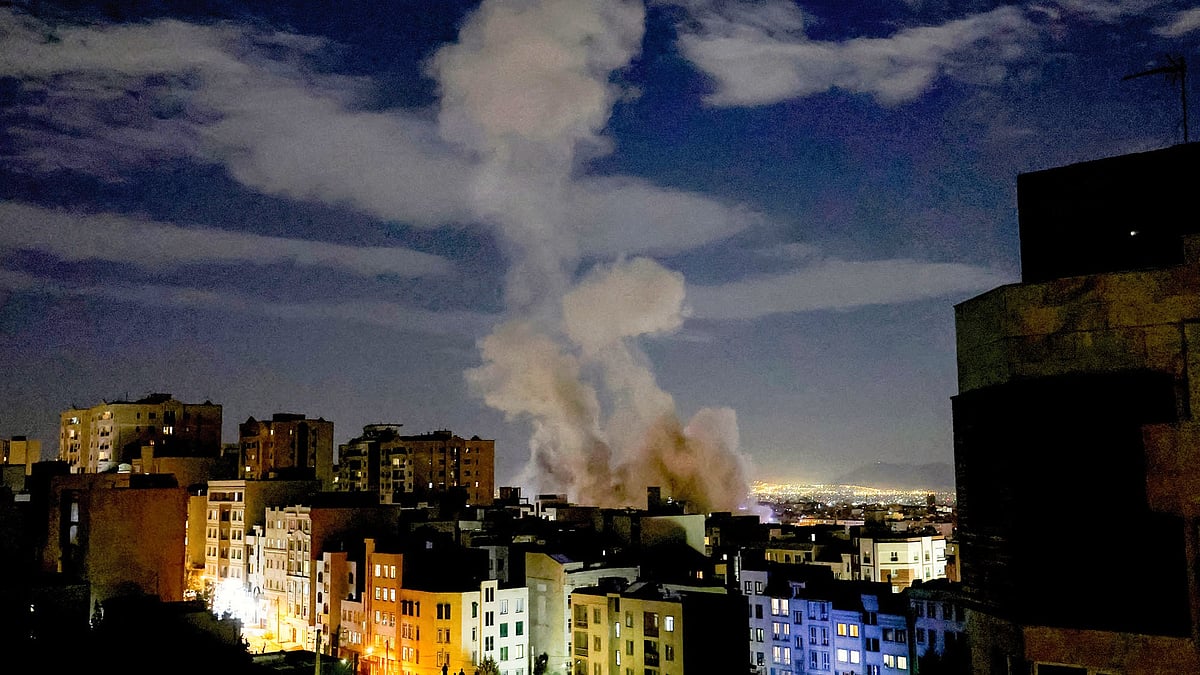
The ongoing conflict in West Asia is creating a long-term energy crisis that will likely last far beyond any temporary ceasefire. Even if the fighting stops soon, damaged infrastructure in the Gulf region will prevent a quick return to normal oil and gas production. This situation is causing a major supply shock that is driving up prices and slowing down economies across the globe. India is feeling the pressure as fuel costs rise and essential goods become harder to afford for the average person.
Main Impact
India is facing a severe economic challenge because it relies heavily on energy imports. As the cost of crude oil and natural gas climbs, the price of almost everything else follows. This has led to a slowdown in production and a rise in the cost of living. Many small businesses, particularly in the food and travel sectors, are struggling to stay open, while workers are losing their jobs or moving back to rural areas to save money.
Key Details
What Happened
The war has disrupted the usual flow of energy from one of the most important regions in the world. Even with efforts to find oil from other places like Russia or the United States, there is still a global shortage of about 10 percent. This shortage is not just about fuel for cars; it affects the production of chemicals, fertilizers, and medicines. Because the world depends on oil more today than it did decades ago, the current crisis is hitting harder than previous energy shocks.
Important Numbers and Facts
India is in a difficult position because it imports 85 percent of its crude oil and 50 percent of its natural gas. There are also roughly 10 million Indian citizens working in West Asia. Many of these workers are now returning home as jobs disappear, which means less money is being sent back to India. Additionally, shipping insurance costs have jumped, making it much more expensive to trade goods by sea through the region.
Background and Context
Energy is the foundation of the modern economy. Every step of making a product—from growing the raw materials to delivering the final item to a store—requires fuel. When the price of oil goes up, it creates a chain reaction. Farmers pay more for fertilizer and irrigation, factories pay more to run machines, and trucking companies pay more for diesel. Eventually, the customer pays the highest price at the checkout counter. This is why a war in a distant region can make a bag of rice or a bus ticket more expensive in an Indian village.
Public or Industry Reaction
The reaction on the ground has been immediate. In cities, migrant workers are finding that they can no longer afford cooking gas, leading many to return to their home villages just as they did during the pandemic. The hospitality industry is seeing many restaurants and hotels close their doors because they cannot handle the rising costs. In the fishing industry, high diesel prices are keeping boats at the docks. Meanwhile, the general public is facing long lines for fuel and higher prices for basic household items.
What This Means Going Forward
The global economy is at risk of entering a period of "stagflation." This is a difficult situation where prices keep rising while economic growth stops. For India, this could mean a weaker rupee and a larger trade gap. To handle this, the government may need to use its emergency oil reserves and look for new trade partners. There is also a growing need to focus on the domestic market. If India can support its own small businesses and workers, it may be able to offset some of the losses from falling international trade.
Final Take
The current crisis shows how vulnerable the world is to energy disruptions. For India to protect itself, it must find ways to use less energy and support its local economy. Moving toward better public transport and reducing the use of private vehicles could help save fuel. While the road ahead looks difficult, focusing on internal strength and smarter energy policies will be the best way to survive this period of global instability.
Frequently Asked Questions
Why is the war in West Asia making prices rise in India?
India buys most of its oil and gas from other countries. When war disrupts the supply in West Asia, the global price of oil goes up. This makes transportation and manufacturing more expensive, which leads to higher prices for food and other goods.
How does the oil shortage affect jobs?
High energy costs make it expensive for businesses to operate. When companies like restaurants or factories cannot afford their bills, they may close down or lay off workers. Additionally, many Indians working abroad are losing their jobs and returning home.
What can be done to fix the situation?
The government can use emergency oil stocks to keep supplies steady for a while. In the long term, encouraging the use of public transportation and focusing on selling goods within India can help reduce the country's dependence on expensive imports.

