
Summary
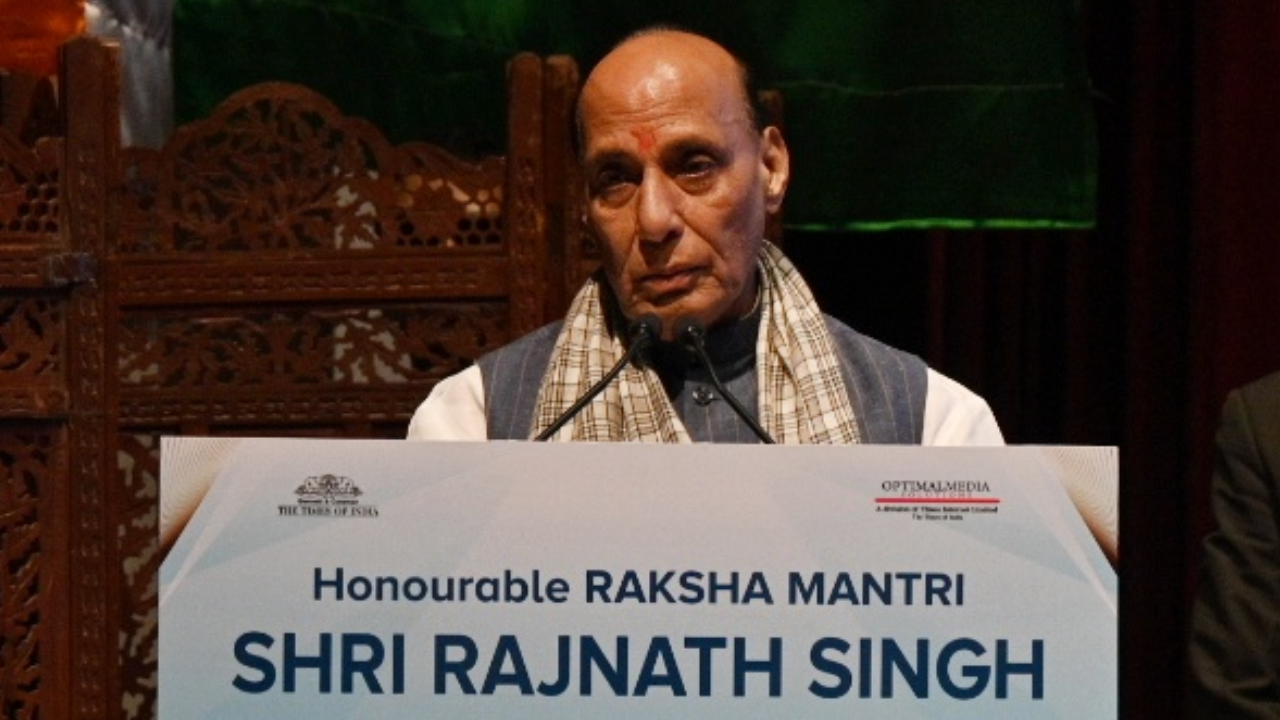
India's Defense Minister, Rajnath Singh, recently shared his views on the ongoing tension in West Asia. He warned that the crisis is far from over, even though there have been many talks about a ceasefire. The Minister made it clear that India is fully prepared to handle any negative effects the conflict might have on its economy or security. This statement comes at a time when global markets are worried about trade routes and energy prices.
Main Impact
The main impact of the West Asia crisis on India is felt through trade and energy. Since India gets a large portion of its crude oil from this region, any long-term fighting can lead to higher fuel prices at home. Additionally, the safety of shipping routes in the Red Sea is a major concern. If ships have to take longer paths to avoid danger, the cost of bringing goods into India goes up. The government is working to ensure that these disruptions do not hurt the common man or the country's growth.
Key Details
What Happened
Defense Minister Rajnath Singh spoke about the regional instability during a recent public address. He noted that while international groups are trying to broker peace, the situation remains very fragile. He explained that India cannot afford to be caught off guard. The government has been holding high-level meetings to plan for different scenarios, including sudden changes in oil supply or threats to Indian citizens living in the Gulf region.
Important Numbers and Facts
India is one of the world's largest buyers of oil, importing more than 80 percent of its total needs. A large part of this comes from West Asian countries. Furthermore, nearly 9 million Indian citizens live and work in the Middle East. Their safety and the money they send back home are vital for India's economy. Recent reports show that shipping costs for some routes have increased by over 40 percent due to the need for extra security and longer travel times around Africa.
Background and Context
The conflict in West Asia involves several countries and groups, making it a very complex issue. It started with local disputes but has grown to involve major trade paths like the Red Sea. For India, West Asia is more than just a source of oil; it is a key partner for trade and technology. In the past, India has always tried to maintain good relations with all countries in the region. However, the current level of violence makes it hard to keep business running as usual. This is why the Defense Minister is emphasizing preparedness over hope.
Public or Industry Reaction
Business leaders in India have expressed concern about the rising cost of freight. Many export companies, especially those selling clothes, tea, and machinery, say that their profit margins are shrinking because it costs more to ship products to Europe and the Americas. On the other hand, the Indian Navy has received praise for its active role in protecting merchant ships from pirate attacks and missile strikes in the Arabian Sea. The general public remains watchful, as any big jump in global oil prices usually leads to higher prices for petrol and diesel at local pumps.
What This Means Going Forward
Looking ahead, India will likely increase its naval patrols to keep sea lanes open. The government is also expected to speed up its search for different energy sources to become less dependent on one single region. There may be more focus on building stronger ties with other oil-producing nations in Africa and South America. Diplomatically, India will continue to call for peace, but the military and economic sectors will remain on high alert. The goal is to make sure that India's internal progress stays on track regardless of the chaos outside its borders.
Final Take
The words of the Defense Minister serve as a reminder that global events have local consequences. While India is not a part of the fight, it cannot ignore the fire in its neighborhood. By preparing for the worst while working for the best, the country aims to protect its people and its economy from a crisis that shows no signs of ending soon. Staying alert and ready is the only way to navigate these uncertain times.
Frequently Asked Questions
Why is the West Asia crisis important for India?
It is important because India relies on the region for most of its oil and gas. Also, millions of Indians work there, and many trade routes pass through the area.
How is the Indian government responding to the situation?
The government is monitoring the situation closely, using the Navy to protect ships, and making plans to secure the energy supply if the conflict gets worse.
Will the conflict make things more expensive in India?
It could. If the fighting continues, shipping costs and oil prices might rise, which can lead to higher prices for transport and everyday goods.



