
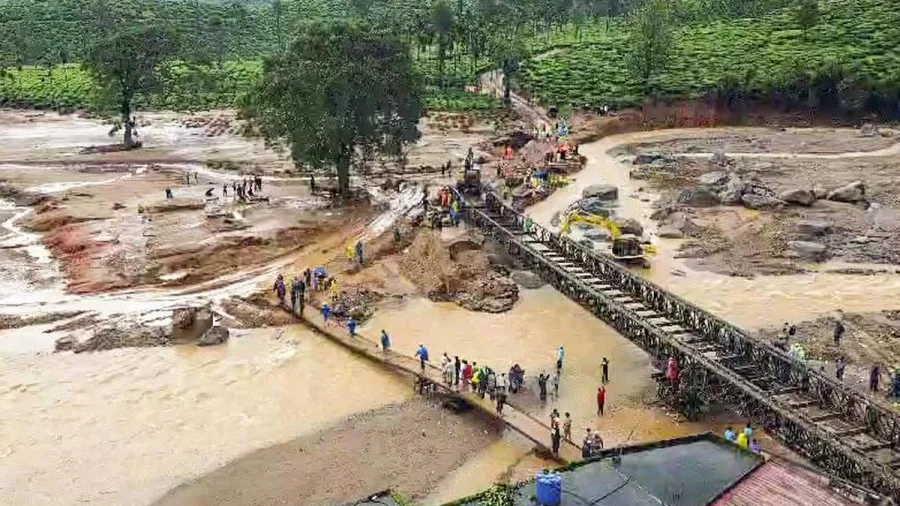
In the ecologically sensitive hills of Wayanad, a battle is unfolding between development and conservation. A green group has once again raised its voice against a major infrastructure project, demanding that the Kerala government shift its approach to development in fragile regions.
Renewed Opposition to the Wayanad Twin Tunnel Project
Wayanad Prakruthi Samrakshana Samiti (WPSS), a local environmental group, has reiterated its strong opposition to the proposed Wayanad twin tunnel project. The group had previously raised concerns about the project’s environmental impact and is now coming out more forcefully against it. The twin tunnel is intended to improve connectivity in the region, but activists argue it poses significant threats to the ecology.
Allegations of Commercial Motives Behind the Project
According to WPSS, the twin tunnel project is not driven by genuine public need but by commercial interests. The group alleges that the real beneficiaries would be industries such as tourism and mining, rather than local communities. This allegation has become the central point of their renewed campaign. Without an independent environmental impact assessment that considers cumulative effects, they say the project risks turning Wayanad into a corridor for profit-driven exploitation.
Demand for a Sustainable Development Model
Beyond just opposing the tunnel, the greens are now urging the Kerala government to adopt an environmentally sustainable development model for all ecologically fragile regions. This includes a formal policy that prioritises conservation, local livelihoods, and climate resilience over large-scale infrastructure. The call is timely as the state grapples with landslides, biodiversity loss, and water scarcity in the Western Ghats.
Why This Matters for Fragile Eco-Zones
Wayanad is part of the Western Ghats, a biodiversity hotspot and a UNESCO World Heritage Site. It is also prone to natural disasters. Any development here must account for the delicate balance between human needs and ecological limits. The WPSS’s demand reflects a broader anxiety among conservationists that Kerala’s development trajectory is ignoring these realities.
What Next for the Movement?
With no official response from the state government yet, the group has vowed to continue its advocacy. They may seek legal intervention or hold public consultations. The outcome of this push could set a precedent for how Kerala handles large projects in its fragile eco-regions in the future.
Our Take
The Wayanad tunnel controversy is not an isolated case—it is a symptom of a wider development dilemma. Kerala, known for its high human development indices, must now lead by example in ecological governance. The greens’ demand for a sustainable model is not anti-development; it is a call for smarter, long-term thinking. Without such a shift, the state risks destroying the very natural assets that underpin its tourism and agriculture economies.
Frequently Asked Questions
What is the Wayanad twin tunnel project?
It is a proposed infrastructure project aimed at improving road connectivity through the ecologically sensitive hills of Wayanad. However, details about its exact route and cost remain unclear from available sources.
Why are greens opposing the tunnel?
Wayanad Prakruthi Samrakshana Samiti alleges the project is driven by commercial interests—such as tourism and mining—rather than public need. They also cite potential harm to the fragile ecosystem.
What sustainable development model are they asking for?
The group wants the Kerala government to adopt a formal policy that puts environmental conservation, local community welfare, and climate resilience at the centre of all development decisions in ecologically fragile zones.
Has the Kerala government responded yet?
As of the latest reports, no official statement from the state government has been published regarding the group’s renewed demand.



