
Summary
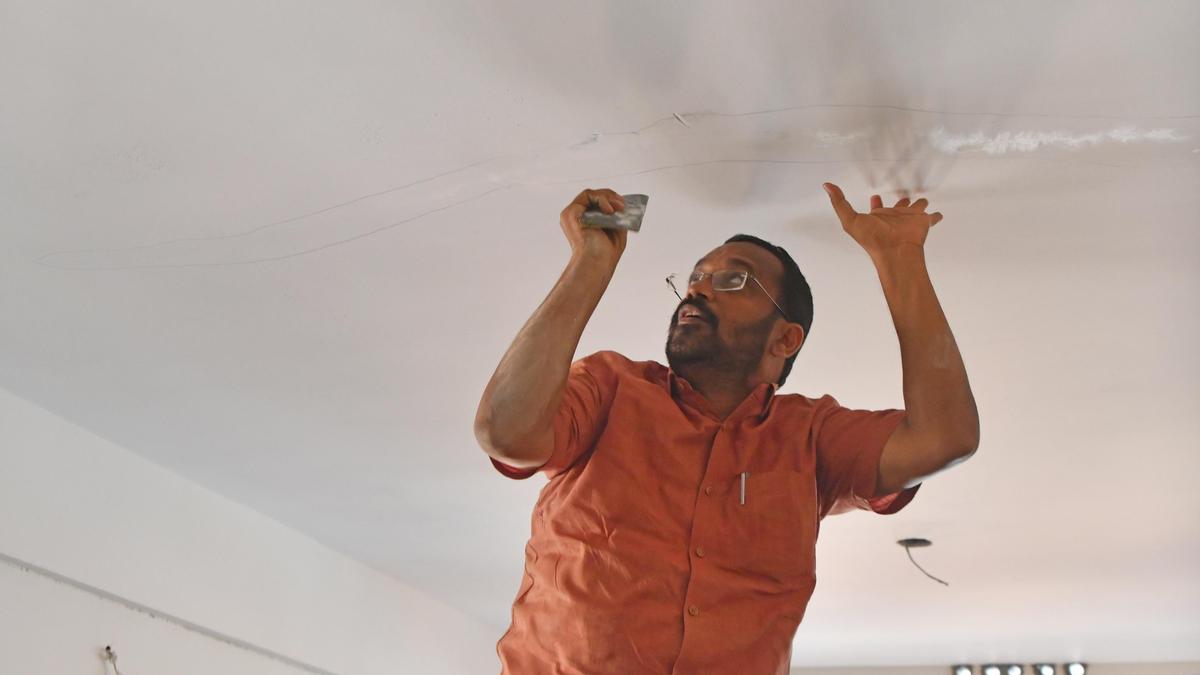
Kerala Revenue Minister K. Rajan has addressed growing concerns regarding the quality of new houses built for landslide survivors in Wayanad. He clarified that the marks found on some buildings are not structural cracks but are actually caused by natural shrinkage. According to the minister, these minor issues were only found in two out of the 178 houses constructed in the new township. This statement aims to reassure families who are preparing to move into these homes after losing everything in previous natural disasters.
Main Impact
The main impact of this clarification is the restoration of public trust in the government’s massive rehabilitation project. For the survivors of the Wayanad landslides, these houses represent a fresh start and a sense of safety. Reports of "cracks" had caused significant fear and anxiety among the community. By explaining the technical nature of the marks, the government hopes to calm these fears and ensure that the relocation process continues without further delays or panic.
Key Details
What Happened
The controversy began when photos and reports started appearing in local media showing thin lines on the walls of newly finished houses. These houses are part of a special township built by the state government to house people who lost their homes during the devastating landslides in Wayanad. Many people immediately worried that the buildings were unsafe or that the construction work was done poorly. Revenue Minister K. Rajan visited the site to inspect the work and talk to the engineers in charge of the project. He explained that what people are seeing is a common occurrence in new construction where the plaster or concrete dries out and settles.
Important Numbers and Facts
The government has been working quickly to complete 178 houses in this phase of the rehabilitation plan. Out of this large number, the minister confirmed that only two houses showed these signs of shrinkage. The project is part of a larger effort to build a "Model Township" that includes not just homes, but also the necessary infrastructure for a community to thrive. The minister emphasized that the structural integrity of the buildings is not at risk and that the houses meet the required safety standards set by the state.
Background and Context
The landslides in Wayanad were among the worst natural disasters the region has ever seen. They destroyed entire neighborhoods, took many lives, and left hundreds of families homeless. In the aftermath, the Kerala government promised to provide permanent, high-quality housing for those affected. Because the survivors have already experienced the trauma of losing their homes to unstable ground, they are naturally very sensitive to any signs of damage in their new residences. The government is under a lot of pressure to deliver these homes quickly while also making sure they are strong enough to withstand the heavy rains that are common in the Wayanad region.
Public or Industry Reaction
The reaction from the public has been a mix of relief and caution. While many are happy to hear the minister’s explanation, some local leaders and residents remain skeptical. They argue that even if the marks are "just shrinkage," they should not be appearing so soon if the materials used were of the highest quality. Opposition parties have called for a more detailed inspection by independent engineers to verify the minister's claims. On the other hand, construction experts have noted that minor shrinkage lines are often seen in fast-paced building projects, especially in areas with high humidity like Kerala, and can usually be fixed with simple maintenance.
What This Means Going Forward
Moving forward, the government plans to finish the final painting and touch-up work on the affected houses. The minister has promised that any visible marks will be repaired before the families officially move in. There will likely be more frequent inspections to monitor the buildings as they settle into the ground. The government also plans to be more transparent about the construction process to prevent rumors from spreading. For the survivors, the next step is the official handover of the keys, which is expected to happen soon. The success of this township will serve as a test for how the state handles large-scale disaster recovery in the future.
Final Take
Building a new community from scratch after a disaster is a difficult task that requires both speed and precision. While the reports of cracks caused a temporary scare, the government’s quick response has helped put the situation into perspective. Ensuring that these families feel safe in their new homes is just as important as the physical construction itself. As long as the government remains open about the quality of the work, the Wayanad township can still become a symbol of hope and recovery for the region.
Frequently Asked Questions
What is construction shrinkage?
Shrinkage happens when building materials like concrete, mortar, or plaster lose moisture as they dry. This can cause very thin, hair-like lines to appear on the surface of walls, but it usually does not mean the building is weak.
Are the Wayanad houses safe to live in?
Yes, according to the Revenue Minister and the project engineers, the houses are structurally sound. The marks found were superficial and do not affect the safety of the buildings.
How many houses were affected by these marks?
The minister stated that only two houses out of the 178 built in the township showed these signs of shrinkage. The rest of the houses are reported to be in good condition.



