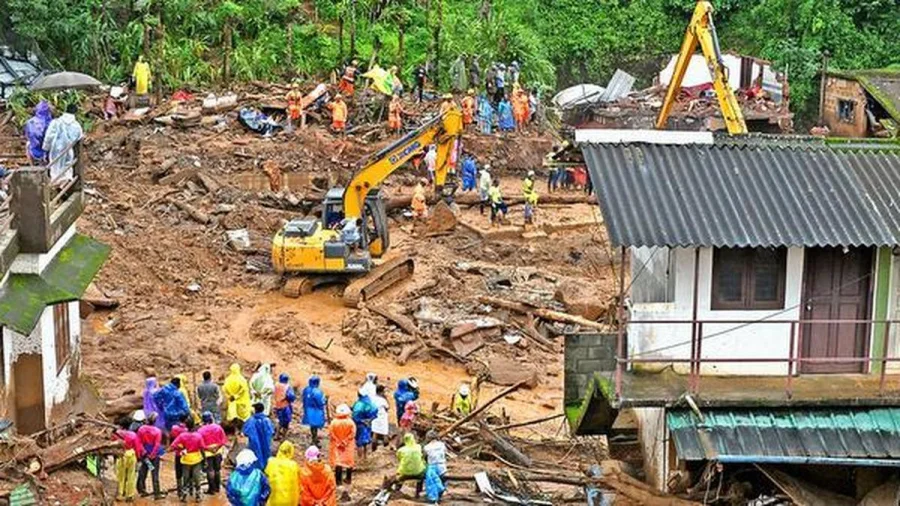
Torrential rain over Wayanad in July 2024 was only half the story. A study examining the disaster now points to a more uncomfortable truth: extreme rainfall tri...
Main Update
A study on the 2024 Wayanad landslide finds extreme rainfall was the trigger.
Impact
Geological weaknesses and valley formations determined the landslide's scale, movement and destructive reach.
Significance
The findings highlight how climate and geology interact — not act separately — in shaping landslide disasters.
Current Status
The study's authors, methodology and publication venue are not yet independently confirmed.
What Next
The study could push for terrain vulnerability mapping and stricter land-use rules across Kerala's hill districts.
Torrential rain over Wayanad in July 2024 was only half the story. A study examining the disaster now points to a more uncomfortable truth: extreme rainfall triggered the landslide, but it was the ground itself — its geological weaknesses and the valleys carved into it — that decided how far the debris travelled and how much it destroyed.
What the study found: rainfall triggered, geology amplified
The study centres on the interplay of climate and geology in the 2024 Wayanad landslide. Its central finding is direct: extreme rainfall set the disaster in motion, but geological weaknesses and valley formations determined its scale, movement and destructive impact.
In short, the weather provided the push. The terrain provided the path.
Why this distinction matters for the next disaster