
Summary
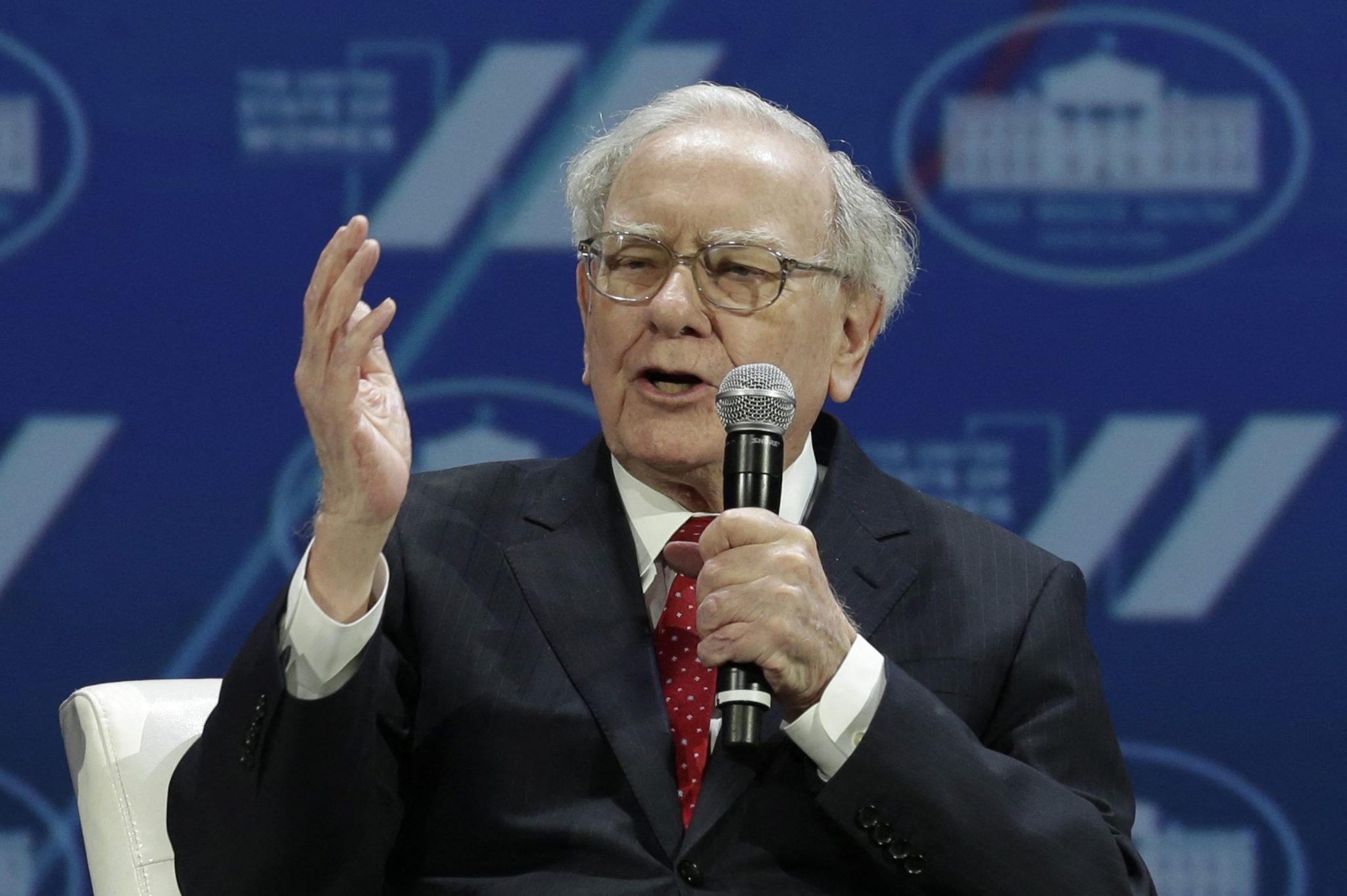
Dairy Queen CEO Troy Bader recently shared the most important lessons he learned from legendary investor Warren Buffett. During his 2017 interview for the top job, Bader realized that being the "smartest person in the world" is not the main key to success. Instead, Buffett looks for leaders who have deep passion and a humble desire to keep learning. These insights show that a strong connection to a mission is often more valuable than raw intelligence alone.
Main Impact
The biggest takeaway from Bader’s experience is that enthusiasm for a business is the most critical factor for long-term growth. While many people believe that high IQ and complex strategies are the only ways to win, Buffett’s approach suggests otherwise. He believes that a leader with genuine zeal will always outperform someone who is simply smart but lacks a heart for the work. This philosophy has helped shape the leadership at some of the world’s largest companies, moving the focus away from cold data and toward human energy and commitment.
Key Details
What Happened
In the fall of 2017, Troy Bader prepared for a high-pressure interview with Warren Buffett. At the time, Bader was up for the role of CEO at Dairy Queen, a company Buffett’s firm had owned for nearly twenty years. Bader expected a difficult technical exam, but the meeting took a surprising turn. Instead of acting like a boss who knew everything, Buffett spent the first twenty minutes asking Bader for his opinion on a different business deal. This showed Bader that Buffett was a constant learner who believed that every person he met had something valuable to teach him.
Important Numbers and Facts
The relationship between these two leaders is built on a massive financial foundation. Berkshire Hathaway, led by Buffett, paid $600 million to buy Dairy Queen in 1998. Since then, the ice cream and fast-food giant has grown into a multi-billion-dollar brand. Buffett led Berkshire Hathaway for over sixty years before stepping down at the end of 2025. His leadership style was famous for being "hands-off," meaning he trusted his CEOs to run their businesses as long as they showed the passion and focus he required during their initial meetings.
Background and Context
Warren Buffett is widely considered one of the most successful investors in history. He is often called the "Oracle of Omaha" because of his ability to pick winning companies. However, his success is not just about picking stocks; it is about picking people. For Dairy Queen, a brand Buffett has always liked personally, finding a leader who cared about the customers and the products was essential. This context explains why he focused on Bader’s energy rather than just his resume. In the world of big business, where numbers often come first, Buffett’s focus on personality and passion stands out as a unique way to build a lasting legacy.
Public or Industry Reaction
Other major business leaders have confirmed that Buffett’s simple advice is highly effective. Melinda French Gates, who ran the Gates Foundation, once shared that Buffett told her to find a "bull’s-eye" for her work. He advised her to focus only on that target and let everything else go, which helped her manage the stress of running a global charity. Similarly, American Express CEO Stephen Squeri spoke about his regular calls with Buffett. During the difficult times of the COVID-19 pandemic, Buffett gave him two simple rules: protect the customers and protect the brand. These stories show that Buffett’s influence reaches far beyond the ice cream business and into the worlds of finance and philanthropy.
What This Means Going Forward
As Warren Buffett moves into a less active role, his lessons remain a guide for the next generation of executives. The idea that "anyone you meet knows something you don't" encourages a culture of humility and continuous learning. For companies like Dairy Queen and American Express, the focus will likely remain on protecting the core brand and hiring people who truly love what they do. This shift suggests that future leaders will be judged not just on their degrees or past profits, but on their ability to inspire others through their own excitement and dedication to the mission.
Final Take
Success is rarely about having all the answers from the start. As Troy Bader learned, it is about staying curious and bringing a high level of energy to your work every single day. When a leader combines a willingness to learn with a deep passion for their brand, they create a foundation that is much stronger than intelligence alone. Buffett’s legacy proves that being a good listener and a passionate worker are the most important tools in any professional's kit.
Frequently Asked Questions
Why does Warren Buffett value passion over intelligence?
Buffett believes that while intelligence is important, it cannot replace the drive and energy that passion provides. A passionate leader is more likely to stay committed during hard times and connect better with employees and customers.
What was the most surprising part of Troy Bader’s interview?
Bader was surprised that Buffett spent the start of the interview asking for advice. This showed that Buffett does not let his fame or wealth stop him from learning new things from the people around him.
What are the two things Buffett told American Express to protect?
He told the CEO of American Express to protect the brand and the customers. He believed that if those two things remained strong, the company could survive any crisis, including a global pandemic.



