
Summary
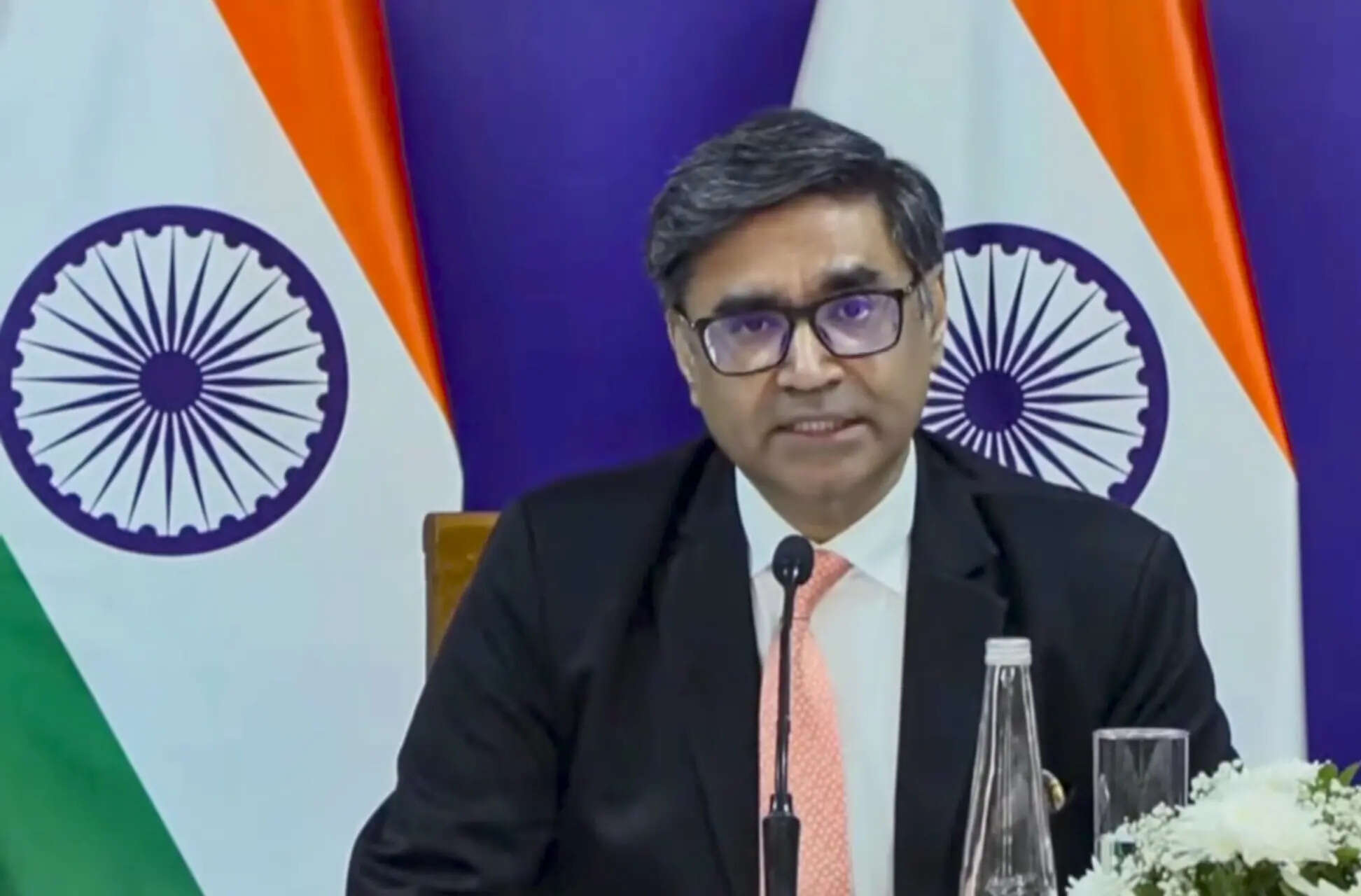
India’s Foreign Secretary, Vikram Misri, is expected to travel to Nepal next month for a high-level diplomatic visit. This trip is significant as it will be his first official bilateral meeting with the government led by Balen Shah. The meeting aims to strengthen the long-standing relationship between the two neighboring countries and address shared concerns. By engaging directly with new political leaders, India hopes to build a more stable and cooperative partnership in the region.
Main Impact
The upcoming meeting between Vikram Misri and the Balen government marks a fresh start for India-Nepal diplomacy. For years, the relationship between these two nations has seen both strong cooperation and periods of tension. This visit shows that India is eager to work with the current leadership in Kathmandu to ensure that both countries benefit from trade, security, and cultural exchange.
When high-ranking officials like the Foreign Secretary meet, it sends a message of respect and commitment. It allows both sides to speak face-to-face about sensitive issues that cannot always be resolved through letters or phone calls. This direct approach is expected to clear up misunderstandings and set a positive tone for future projects involving energy, transport, and border management.
Key Details
What Happened
Plans are being finalized for India’s Foreign Secretary to visit Nepal in the coming month. This will be the first time Vikram Misri holds a formal bilateral discussion with the administration often referred to as the Balen government. While India and Nepal have many regular meetings, this specific engagement is seen as a way to connect with the newer political voices that have gained influence in Nepal’s capital.
Important Numbers and Facts
The visit is scheduled for May 2026. India and Nepal share a border that is over 1,850 kilometers long, touching five Indian states. Because the border is mostly open, thousands of people cross it every day for work, family, and trade. India remains Nepal’s largest trading partner and provides a significant amount of the foreign investment that goes into the country. These talks will likely touch upon the progress of several multi-million dollar infrastructure projects funded by India.
Background and Context
India and Nepal have a very special relationship that people often call "Roti-Beti," which means they share food and family ties. Many people in Nepal have relatives in India, and vice versa. However, politics can sometimes make this relationship complicated. In recent years, Nepal has seen the rise of new political figures like Balen Shah, the Mayor of Kathmandu, who has a strong following and a unique way of governing.
India wants to make sure that its ties with Nepal remain strong regardless of which political party or leader is in power. The Foreign Secretary’s job is to manage these international relationships. By visiting now, Vikram Misri is following a tradition of active diplomacy where India reaches out to its neighbors to maintain peace and economic growth. This is especially important as other large countries also try to increase their influence in Nepal.
Public or Industry Reaction
Political experts in both New Delhi and Kathmandu have reacted positively to the news of the visit. Many believe that regular communication is the best way to prevent small disagreements from turning into big problems. Business leaders are also hopeful, as they want to see smoother trade rules and better roads connecting the two nations. They believe that a successful meeting will lead to more investment in Nepal’s hydropower sector, which sells electricity to India.
On the ground, the public generally supports better relations because it makes travel and trade easier. However, some local groups in Nepal will be watching closely to see how the government handles discussions regarding border boundaries and water rights. These are sensitive topics that require careful talk and mutual respect.
What This Means Going Forward
Looking ahead, this meeting is likely to lead to several new agreements. One major focus will be on "connectivity," which is a simple way of saying better roads, bridges, and railways. If India and Nepal can make it easier to move goods across the border, prices for everyday items could go down for people in both countries. Another big topic will be energy. Nepal has many rivers that can produce electricity, and India needs that power for its growing cities.
There are also risks to manage. If the talks do not go well, it could lead to delays in important projects. Both sides will need to be patient and listen to each other’s concerns. The goal is to create a plan where both India and Nepal feel they are being treated fairly. This visit is just one step in a long process of keeping the neighborhood safe and prosperous.
Final Take
Diplomacy works best when leaders show up and talk in person. Vikram Misri’s trip to meet the Balen government is a clear sign that India values its friendship with Nepal. By focusing on shared goals like trade and energy, both nations can build a future that helps their citizens live better lives. This meeting is a vital part of keeping the region stable and ensuring that the unique bond between these two neighbors stays strong for years to come.
Frequently Asked Questions
Who is Vikram Misri?
Vikram Misri is the Foreign Secretary of India. He is a top government official responsible for managing India's relationships with other countries and advising the government on international matters.
Why is the "Balen government" mentioned?
The term refers to the administration or political influence of Balen Shah, a prominent leader in Nepal. India is making an effort to engage with different levels of leadership in Nepal to maintain a broad and healthy relationship.
What are the main topics of the meeting?
The meeting will likely focus on trade, border security, hydropower projects, and improving the roads and railways that connect India and Nepal.



