
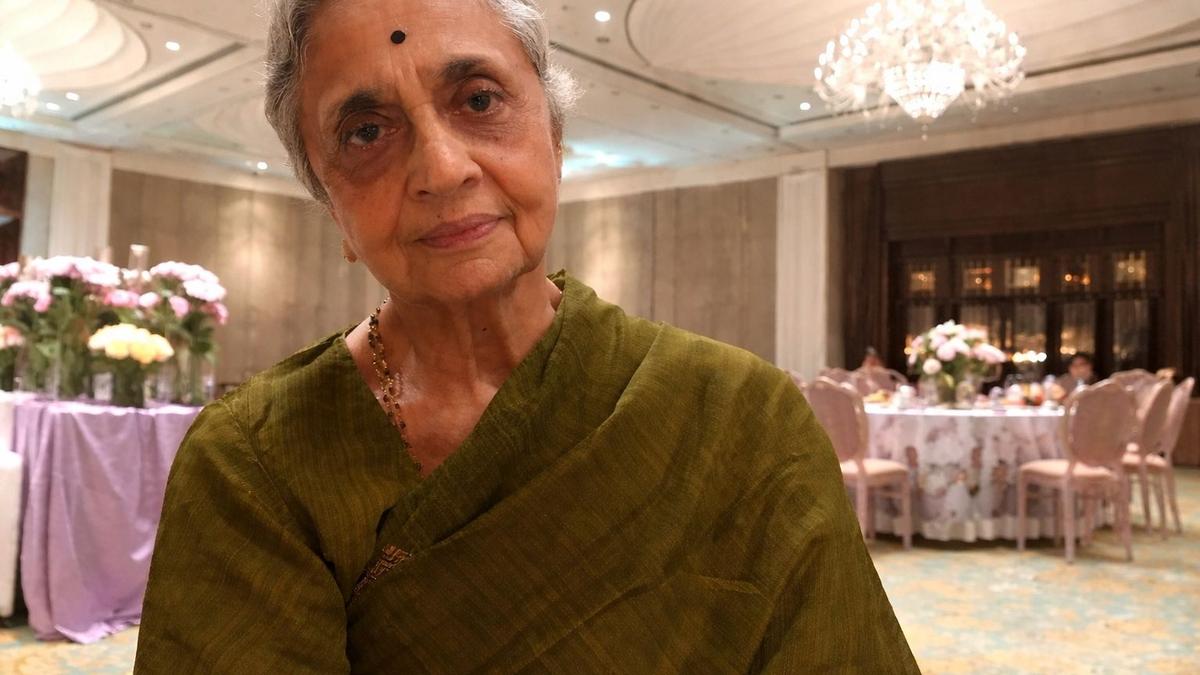
Summary
Vijaya Rajan, the former chairperson of the Competition Commission of India (CCI), has passed away. She was a highly respected figure in the world of economic regulation and law. During her time leading the commission, she worked hard to ensure that businesses in India followed fair rules. Her death marks the end of a significant era for the country’s market watchdog, as she was known for her deep knowledge and firm leadership.
Main Impact
The passing of Vijaya Rajan is a major loss for the Indian legal and business community. As the head of the CCI, she played a vital role in protecting consumers from unfair business practices. She was instrumental in making sure that large companies did not use their power to crush smaller competitors. Her work helped create a more balanced environment where new businesses could grow without being blocked by monopolies.
Under her guidance, the CCI became a more active and visible organization. She pushed for transparency and made sure that the commission’s decisions were based on clear evidence. This approach helped build trust between the government, the public, and the corporate sector. Many experts believe that the modern standards of competition in India were shaped by the policies she supported during her time in office.
Key Details
What Happened
Vijaya Rajan passed away following a period of service that left a lasting mark on India’s economic policies. While the specific details of her passing have been kept private by her family, the news has led to a wave of tributes from government officials and industry leaders. She is remembered not just for her professional success, but also for her dedication to public service and her ability to handle complex legal issues with ease.
Important Numbers and Facts
During her career, Rajan oversaw hundreds of cases involving market disputes. Some of the most important facts about her time at the CCI include:
- She led the commission during a time when digital markets were growing rapidly, requiring new types of rules.
- She was involved in high-stakes investigations into major industries, including cement, steel, and telecommunications.
- Under her leadership, the CCI issued several landmark rulings that prevented companies from forming "cartels," which are groups that secretly work together to keep prices high.
- She focused on reducing the time it took for the commission to review business mergers, making it easier for companies to do business legally.
Background and Context
To understand why Vijaya Rajan’s work was so important, it is helpful to know what the Competition Commission of India does. The CCI is like a referee for the economy. Its job is to make sure that companies compete fairly. When companies compete, prices usually go down, and the quality of products goes up. This is good for the average person who is buying goods and services.
Before leaders like Rajan took charge, the rules for business competition in India were not always clear. She helped clarify these rules. She believed that a healthy economy needs many different players, not just a few giant corporations. By enforcing "anti-trust" laws, she ensured that no single company could control an entire market and dictate prices to everyone else.
Public or Industry Reaction
The news of her death has brought many reactions from the business world. Many former colleagues have shared stories of her intelligence and her calm way of handling pressure. Government ministers have praised her for her integrity and her commitment to the law. They noted that she was a trailblazer for women in high-level government positions, showing that hard work and expertise lead to great success.
Legal experts have also commented on her legacy. They pointed out that her rulings are still used today as examples in law schools and courtrooms. She was known for writing clear and logical decisions that were hard to argue against. This helped the CCI win many cases when they were challenged in higher courts.
What This Means Going Forward
The loss of Vijaya Rajan comes at a time when the CCI is facing new challenges, such as the rise of artificial intelligence and global tech giants. However, the foundation she built remains strong. The commission will likely continue to follow the principles of fairness and transparency that she championed. Her work serves as a guide for current and future members of the commission.
In the coming months, there may be memorial events held in her honor by the legal community. Her passing serves as a reminder of the importance of strong institutions in a democracy. As India continues to grow as a global economic power, the lessons learned from her leadership will remain relevant for years to come.
Final Take
Vijaya Rajan was more than just a government official; she was a guardian of economic fairness. Her life’s work ensured that the Indian market remained open and competitive for everyone. While she is no longer here, the rules she helped create and the standards she set will continue to protect consumers and businesses across the country. Her contribution to India's growth will not be forgotten.
Frequently Asked Questions
Who was Vijaya Rajan?
Vijaya Rajan was a prominent legal expert and the former chairperson of the Competition Commission of India (CCI). She was known for her work in regulating markets and ensuring fair business practices.
What is the Competition Commission of India (CCI)?
The CCI is a government body that acts as a watchdog for the economy. It prevents unfair business practices, stops monopolies, and ensures that companies compete fairly to benefit consumers.
Why was her leadership important?
Her leadership was important because she helped modernize India's competition laws. She handled major cases against large corporations and made sure that small businesses had a fair chance to succeed in the market.



