
Summary
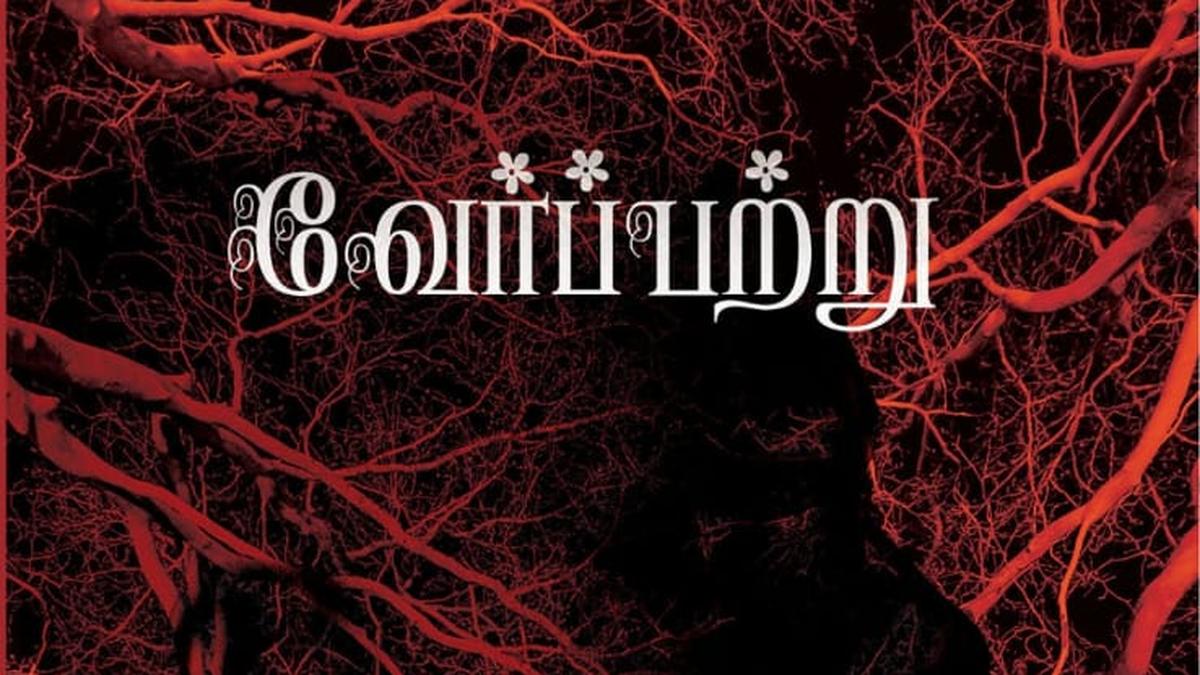
Indira Parthasarathy’s novel, Ver Pattru, provides a deep look into the changing world of student politics in Tamil Nadu after India gained its independence. The story follows a young man named Kesavan as he moves from a traditional life into the intense world of university activism. It highlights how the high goals of early political movements slowly turned into a struggle for power and influence. This book remains an important piece of literature for anyone wanting to understand the link between personal identity and public life.
Main Impact
The primary impact of this novel is its honest portrayal of how social movements change over time. It shows that the excitement of youth can easily be used by political leaders for their own gain. For readers, the book acts as a warning about losing one's personal values while trying to fit into a group. It also captures a specific time in South Indian history when the old ways of thinking were being challenged by new, loud political voices. By focusing on the internal struggle of the main character, the author makes a large political shift feel very personal and easy to understand.
Key Details
What Happened
The story centers on Kesavan, a student who leaves his quiet village to attend college in a big city. He quickly finds himself pulled into the world of student unions and political protests. At first, he is driven by a desire to help society and change the world for the better. However, he soon realizes that the leaders of these movements are often more interested in their own careers than in the causes they claim to support. Kesavan feels torn between the traditional values of his family and the aggressive, often dishonest nature of the politics he sees around him.
Important Numbers and Facts
Indira Parthasarathy is one of the most respected writers in Tamil literature, known for winning the Sahitya Akademi Award. The novel Ver Pattru, which translates to "Attachment to Roots," focuses on the 1960s and 1970s. This was a time when the Congress party was losing its grip on Tamil Nadu, and the Dravidian movement was becoming the dominant force in the state. The book details how these big political changes affected the daily lives of students and teachers on university campuses.
Background and Context
To understand the importance of this story, it is helpful to know about the history of Tamil Nadu after 1947. After India became free from British rule, there was a lot of hope that the country would change quickly. Students were at the center of this hope. They were active in many protests, especially regarding language and social fairness. However, as the years went by, the purity of these movements began to fade. Politics became a business for many. The author uses the setting of a university to show how these larger national problems started at a local level. The "roots" mentioned in the title refer to the cultural and family history that many young people were tempted to leave behind in favor of modern political labels.
Public or Industry Reaction
Critics have long praised Indira Parthasarathy for his ability to write about complex ideas in a way that feels real. Many readers find the character of Kesavan very relatable, as many people have felt the pressure to choose between their past and their future. The book is often studied in colleges because it perfectly captures the mood of a generation that felt let down by the leaders they once trusted. It is seen as a classic because it does not take sides; instead, it shows the flaws and strengths of both the old traditional world and the new political world.
What This Means Going Forward
The themes in Ver Pattru are still very relevant today. Even now, students are often the first to stand up against unfairness. The novel serves as a reminder that while being active in politics is good, it is important to stay true to oneself. It suggests that if a person loses their connection to their history and their morals, they can easily be led astray by people seeking power. For future leaders, the book offers a lesson in staying grounded. It also encourages modern writers to look at the human side of political movements rather than just the headlines.
Final Take
Ver Pattru is a powerful story that shows how difficult it is to balance personal beliefs with the demands of a political group. It teaches us that our roots are what keep us steady when the world around us becomes chaotic. By following Kesavan’s journey, we see that the most important fight is often the one happening inside our own minds. The novel remains a must-read for anyone interested in the history of Tamil Nadu or the nature of human ambition.
Frequently Asked Questions
Who is the main character of Ver Pattru?
The main character is a student named Kesavan, who struggles to balance his traditional family roots with the messy world of college politics.
What does the title Ver Pattru mean?
The title means "Attachment to Roots." it refers to the connection a person has with their family, culture, and personal history.
What time period does the novel cover?
The novel is set in the years following India's independence, specifically focusing on the political shifts in Tamil Nadu during the 1960s and 1970s.



