
Summary
Indira Parthasarathy’s novel, Ver Pattru, provides a deep look into the world of student politics in Tamil Nadu after India gained its independence. The story follows a young man named Kesavan who finds himself torn between his political goals and his personal history. It highlights how student movements changed over time, moving from the high energy of the freedom struggle to a more complicated and often disappointing reality. This book remains a key piece of literature for anyone wanting to understand the link between personal identity and public life.
Main Impact
The primary impact of Ver Pattru lies in its honest portrayal of how idealism can fade. In the years following 1947, many young people in India believed they could build a perfect society. However, the novel shows the cracks in this dream. By focusing on the life of Kesavan, the author illustrates the heavy price individuals pay when they get caught up in political machines. The book forced readers to think about whether student activism was still about making a difference or if it had simply become a way for young people to gain power.
Key Details
What Happened
The story centers on Kesavan, a student leader who is highly active in the political scene of Tamil Nadu. As he grows older and more involved, he begins to feel a sense of loss. He is searching for his "roots," which is what the title Ver Pattru literally means. The narrative follows his interactions with other students, political mentors, and his family. Through these relationships, the book shows the shift from the selfless activism of the pre-independence era to the more calculated and power-hungry politics of the post-independence period.
Important Numbers and Facts
The novel is set during a time of great change in South India. While it is a work of fiction, it reflects the real-world transition of the 1950s and 60s. During this time, Tamil Nadu saw a massive rise in student-led movements that eventually changed the state's government. Indira Parthasarathy, the author, is a highly respected figure in Tamil literature who has won the Sahitya Akademi Award and the Saraswati Samman. His writing is known for using psychological depth to explain social issues, making this book a staple in university courses and literary discussions.
Background and Context
To understand this story, one must look at the history of student movements in India. Before independence, students were at the front lines of the fight against British rule. They were seen as heroes. After 1947, the goal changed. Students had to decide if they would support the new government or challenge it. In Tamil Nadu, this was even more complex because of the rise of regional identity and language movements. Ver Pattru captures this specific moment in history when the old ways of thinking were dying out, and new, often confusing, ideologies were taking their place.
Public or Industry Reaction
Literary critics have long praised the novel for its sharp social commentary. Many experts believe that Parthasarathy was one of the first writers to accurately describe the "identity crisis" of the modern Indian youth. Readers often comment on how the character of Kesavan feels real and relatable, even decades after the book was first published. In the world of Tamil literature, the book is seen as a bridge between traditional storytelling and modern, psychological fiction. It is frequently discussed in academic circles for its look at how power affects the human mind.
What This Means Going Forward
The themes in Ver Pattru are still very relevant today. Even now, students across the world struggle with the same questions that Kesavan faced. They must decide how much of their personal life they are willing to give up for a cause. As political climates become more divided, the book serves as a warning about the dangers of losing one's roots. It suggests that without a strong sense of self, political activism can become hollow. For future writers and activists, the novel remains a guide on the importance of staying grounded while reaching for social change.
Final Take
Indira Parthasarathy’s work is more than just a story about a student leader; it is a study of the human soul in the face of political pressure. By showing the decline of student activism, the author reminds us that true change starts with understanding who we are. The struggle of Kesavan is the struggle of any person trying to find their place in a world that is constantly changing. It is a powerful reminder that while politics is important, our connection to our history and our "roots" is what truly defines us.
Frequently Asked Questions
What does the title "Ver Pattru" mean?
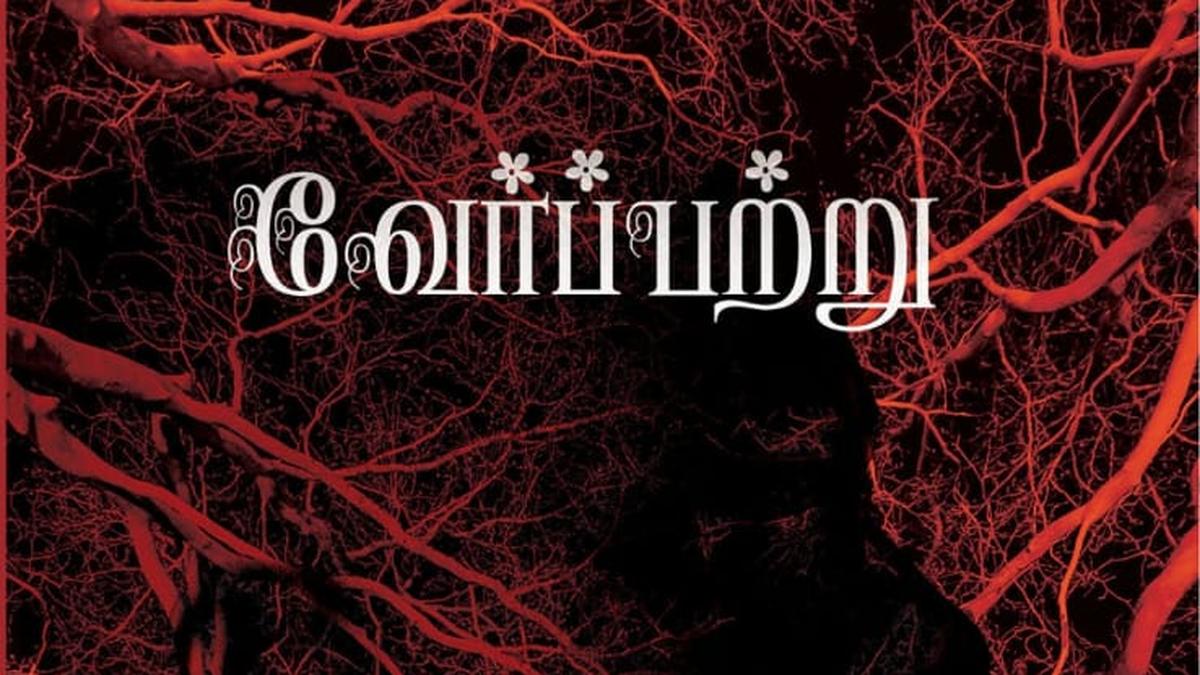
The title is a Tamil phrase that translates to "Attachment to Roots." it refers to the protagonist's search for his identity and his connection to his past while being involved in modern politics.
Who is the main character of the novel?
The main character is Kesavan, a student leader in Tamil Nadu who experiences the shift in political ideals after India's independence.
Why is this book considered important in Tamil literature?
It is important because it honestly explores the psychological and social changes in post-independence India. It was one of the first novels to look at the decline of idealism in student movements with such detail.



