
Summary
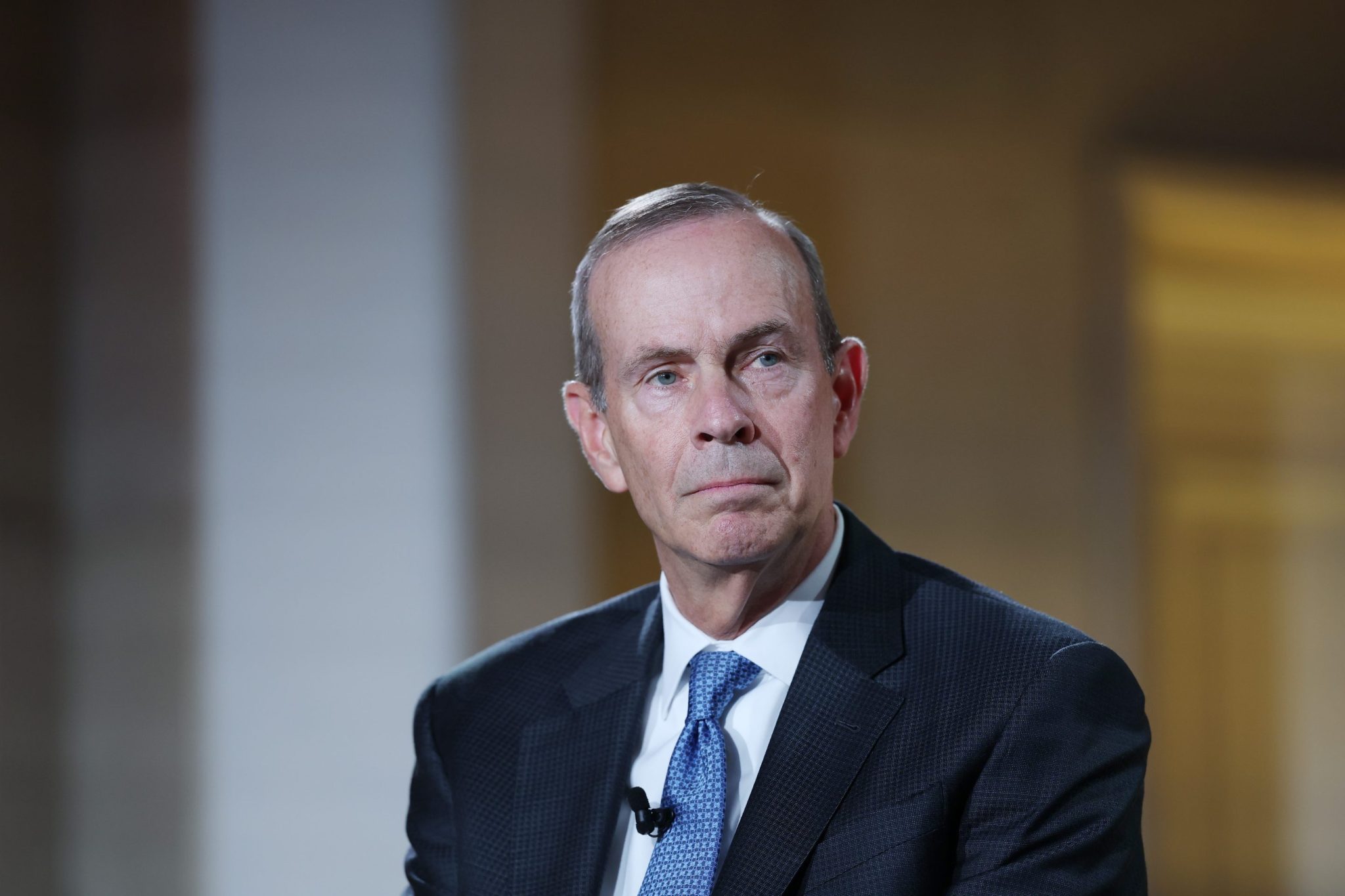
Chevron CEO Mike Wirth recently shared his thoughts on the current state of the oil industry in Venezuela. Following major political changes in the country, Venezuela has started updating its laws to attract more foreign companies. While Wirth sees these changes as a step in the right direction, he believes the country must do more to convince large businesses to invest their money. These developments are important because a boost in Venezuelan oil production could help stabilize energy prices and supply in the United States.
Main Impact
The primary impact of these changes is a potential shift in how the world gets its oil. For years, Venezuela was mostly closed off to many foreign investors due to strict government rules and political tension. Now, with a new leadership structure in place, there is a chance for the country to become a major player in the energy market again. If Venezuela can successfully fix its oil industry, it would mean more oil available for the global market, which often leads to lower costs for everyday people at the gas pump.
Key Details
What Happened
In early 2026, the political situation in Venezuela changed significantly. After Nicolás Maduro was removed from power in January, Delcy Rodríguez took over as the acting president. Almost immediately, the new government began changing long-standing oil policies. These old policies were very nationalistic, meaning the government kept most of the control and the profits. The new rules are designed to be more friendly to outside companies by lowering taxes and making it easier for foreign businesses to operate within the country.
Important Numbers and Facts
Last week, a group of top executives from American oil companies traveled to Caracas to meet with Acting President Rodríguez. They wanted to know if their investments would be safe under the new administration. This meeting happened as President Donald Trump pushed for a major restart of Venezuelan oil production. While specific dollar amounts for new investments have not been finalized, the goal is to return Venezuela to its former status as a top global oil producer. However, experts warn that the country has lost a large portion of its skilled workforce, as many engineers and technicians moved away during the previous years of economic trouble.
Background and Context
Venezuela has some of the largest oil reserves in the world, but its industry has struggled for a long time. Under the previous government, the oil fields and equipment were not well-maintained. Many of the people who knew how to run the complex machinery left the country to find work elsewhere. This "brain drain" means that even if a company like Chevron wants to pump more oil, they might not find enough local workers with the right skills to do the job. This is why leaders like Mike Wirth and opposition figure María Corina Machado emphasize that bringing people back to the country is just as important as changing the laws.
Public or Industry Reaction
The reaction from the oil industry has been a mix of excitement and caution. On one hand, companies are happy to see the government easing taxes and offering better terms. On the other hand, they are worried about safety and long-term stability. No company wants to spend billions of dollars on equipment only to have the rules change again in a few years. President Trump has also taken action by using the Defense Production Act to provide federal money for energy projects. This shows that the US government is very serious about increasing energy production, but industry experts are reminding everyone that these projects take a lot of time to complete.
What This Means Going Forward
Moving forward, the success of Venezuela’s oil revival depends on two main things: trust and time. The government must prove to the world that it will stick to its new, friendlier rules. At the same time, the public needs to understand that oil production cannot be increased overnight. As Mike Wirth pointed out, you cannot simply flip a switch to get more oil. It requires building supply chains, signing complex contracts, and moving thousands of workers and heavy machines into place. We should expect a slow but steady attempt to rebuild the infrastructure, with more meetings between US officials and Venezuelan leaders in the coming months.
Final Take
The situation in Venezuela offers a rare opportunity to fix a broken energy system, but it will not be an easy task. While the new policy changes are a good start, the road to a full recovery is long. For the oil industry to truly return to its peak, the country needs more than just new laws; it needs a stable environment where workers feel safe to return and companies feel safe to spend. The world will be watching closely to see if Venezuela can turn these early steps into a lasting success that benefits both its own citizens and the global economy.
Frequently Asked Questions
Why is Venezuela changing its oil laws?
The country wants to attract foreign companies and investment to help rebuild its struggling economy and increase oil production after a change in government leadership.
What did the Chevron CEO say about the new policies?
Mike Wirth said the changes are a positive sign of progress, but he believes more work is needed to make the country attractive enough for large-scale investment.
Can Venezuela increase oil production quickly?
No. Experts and industry leaders say it will take time to fix old equipment, rebuild supply chains, and bring back the skilled workers who left the country.



