
Summary
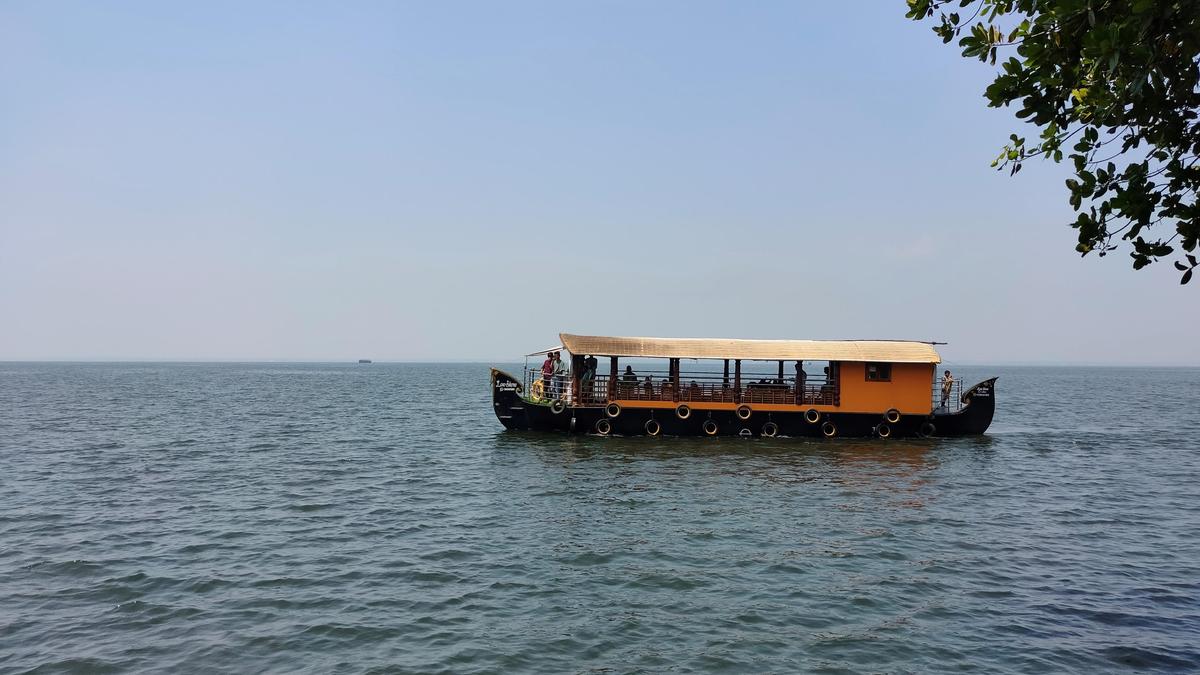
Authorities have launched a major crackdown on houseboats operating on Vembanad Lake to stop rising water pollution. The Kerala High Court ordered strict action against boat owners who do not follow environmental safety rules. Special teams from the Ports department are now inspecting hundreds of vessels in Alappuzha and Kottayam. This move aims to protect the lake’s fragile nature by ensuring every boat has the right waste management systems and legal permits.
Main Impact
The immediate impact of this crackdown is the grounding of many houseboats that fail to meet safety and pollution standards. For tourists, this means fewer boats are available for hire, and some pre-booked trips may be canceled. For the local economy, it puts pressure on boat owners to spend money on expensive upgrades. However, the long-term benefit is a much cleaner lake, which is essential for the survival of the local fishing industry and the health of the people living nearby.
Key Details
What Happened
The Ports department has formed several inspection squads to patrol the backwaters. These teams are visiting boat terminals and private docks to check every vessel. They are looking for two main things: valid registration papers and working pollution control systems. Any boat found dumping waste directly into the water is being fined and stopped from operating immediately. The High Court stepped in after reports showed that many boats were ignoring previous warnings about waste disposal.
Important Numbers and Facts
Vembanad Lake is home to over 1,000 registered houseboats, but officials believe many more are operating without proper licenses. During the first few days of the inspection, dozens of boats were ordered to stay at the docks. To operate legally, a boat must have a Sewage Treatment Plant (STP) or a secure tank to hold waste until it can be pumped out at a government facility. Boats must also renew their fitness certificates every year, a rule that many owners have reportedly skipped.
Background and Context
Vembanad Lake is the largest lake in Kerala and is famous all over the world for its beauty. It is also a protected wetland, which means it is very important for the environment. For many years, the houseboat industry has been the backbone of tourism in Alappuzha. However, as the number of boats grew, so did the pollution. Oil from engines and human waste from kitchens and toilets have been leaking into the water. This pollution kills fish and makes the water unsafe for the thousands of families who rely on the lake for their daily needs.
Public or Industry Reaction
The reaction to the crackdown is mixed. Environmental activists are happy and say this move was long overdue. They believe the lake cannot survive if the current level of pollution continues. On the other side, houseboat owners are worried. Many say that the cost of installing new waste systems is very high and that they need more time to comply. Some workers in the tourism sector fear they will lose their jobs if a large number of boats are permanently banned from the water. They are asking the government for help or subsidies to upgrade their boats.
What This Means Going Forward
In the coming months, the rules for houseboats will likely become even stricter. The government may introduce GPS tracking to monitor where boats go and ensure they are not dumping waste in hidden areas. There is also talk of limiting the total number of boats allowed on the lake at one time to prevent overcrowding. While these changes might make houseboat trips more expensive, they will ensure that the tourism industry does not destroy the very nature that people come to see. Owners who do not follow the law will find it harder to stay in business.
Final Take
The High Court’s decision to clean up Vembanad Lake is a vital step for Kerala’s environment. While it creates some short-term trouble for the tourism industry, the health of the lake must come first. Without clean water, the beauty of the backwaters will fade, and the local community will suffer. This crackdown serves as a clear warning that business profit cannot come at the cost of nature.
Frequently Asked Questions
Why are houseboats being grounded on Vembanad Lake?
They are being grounded because many do not have valid pollution control certificates or proper waste management systems. The High Court ordered this action to stop waste from being dumped into the lake.
How do these inspections affect tourists?
Tourists may find fewer boats available for rent, and prices might go up as owners pay for upgrades. It is important for travelers to check if their chosen boat has a valid license before booking.
What must a houseboat have to be legal?
A legal houseboat must have a valid registration from the Ports department, a fitness certificate, and a working system to handle sewage and kitchen waste without polluting the water.



