
Summary
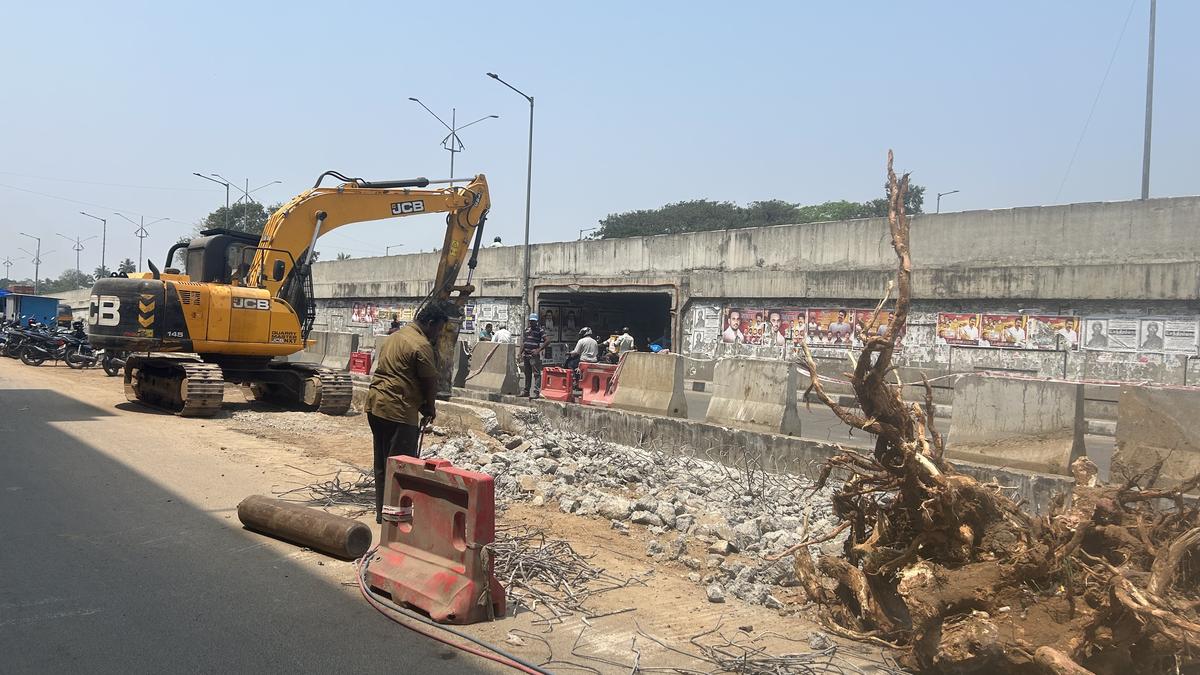
The National Highways Authority of India (NHAI) has started a new project to improve traffic flow in Vellore. Workers are currently removing the top section of a large stormwater drain that runs along the side of the main road. This move is designed to create more space for cars, trucks, and buses to move freely. By lowering the height of the drain, the road will become wider and safer for everyone using it.
Main Impact
The primary goal of this project is to fix the narrow driving paths that cause daily traffic jams. For a long time, the raised walls of the stormwater drain acted as a barrier, preventing vehicles from using the full width of the road. This was a major problem for large vehicles like public buses. Once the work is finished, the road will have a much larger surface area. This will allow buses to navigate turns and straight paths without getting stuck or blocking other drivers. It will also help reduce the time people spend sitting in traffic during peak hours.
Key Details
What Happened
NHAI officials identified that the existing drainage system was built too high compared to the road surface. This design flaw meant that several feet of potential road space were being wasted. To fix this, construction teams are using heavy machinery to break down the concrete top of the drain. After the demolition is complete, they will rebuild the drain so that its cover is perfectly flat with the rest of the street. This new design is known as a flush-level drain, which is strong enough to support the weight of heavy traffic.
Important Numbers and Facts
The project is focused on the main highway stretches that pass through the heart of Vellore. The agency is prioritizing areas where the road is at its narrowest. By leveling the drain with the existing road, the "carriageway"—the part of the road where vehicles actually drive—will expand significantly. Engineers are ensuring that while the top of the drain is being lowered, the actual space inside for water to flow will not be reduced. This ensures that the city can still handle heavy rainfall without the risk of flooding.
Background and Context
Vellore is a busy city that serves as a major center for medical care and education. Thousands of people travel into the city every day, leading to a high volume of traffic. Many of the roads were built years ago when there were fewer cars on the street. As the number of vehicles grew, the old infrastructure began to struggle. Stormwater drains are essential for preventing floods during the monsoon season, but their traditional high-walled design often clashes with the need for wider roads. This project represents a modern approach to urban planning where drainage and transport needs are balanced. By integrating the drain into the road surface, the city can manage water and traffic at the same time.
Public or Industry Reaction
Local residents and daily commuters have expressed relief that the road is finally being widened. Many bus drivers have complained in the past about how difficult it is to stay in their lanes because the drain walls were too close. However, some local shop owners have raised concerns about the dust and noise caused by the demolition process. There are also questions from the community about how long the construction will take and if it will cause temporary road closures. NHAI has responded by stating that they aim to finish the work as quickly as possible to minimize the impact on local businesses and daily travel.
What This Means Going Forward
This project is likely the first of many similar upgrades in the region. If this method successfully reduces traffic congestion in Vellore, NHAI may apply the same strategy to other cities with similar problems. In the short term, drivers should expect some minor delays while the construction teams are on-site. Once the new drain covers are installed and the road is repaved, the area will see a smoother flow of traffic. The long-term benefit will be a more efficient transport network that can handle the growing number of vehicles in the city. It also sets a standard for how old infrastructure can be updated without needing to buy more land or destroy existing buildings.
Final Take
Widening a road does not always require building entirely new paths. Sometimes, it is about making better use of the space that is already there. By fixing the height of the stormwater drains, NHAI is providing a practical and cost-effective solution to a long-standing traffic problem. This project shows that smart engineering can make a big difference in the daily lives of citizens by making their commutes faster and safer.
Frequently Asked Questions
Why is the drain being broken down?
The top part of the drain is being removed because it sits higher than the road, which makes the street too narrow for large vehicles like buses to pass easily.
Will the new drain still work during heavy rain?
Yes. The new drain will be built to hold the same amount of water as the old one. The only difference is that the top will be flat so cars can drive over it.
Who is responsible for this road work?
The project is being managed and carried out by the National Highways Authority of India (NHAI) as part of their effort to improve road safety and traffic flow.



