
Summary
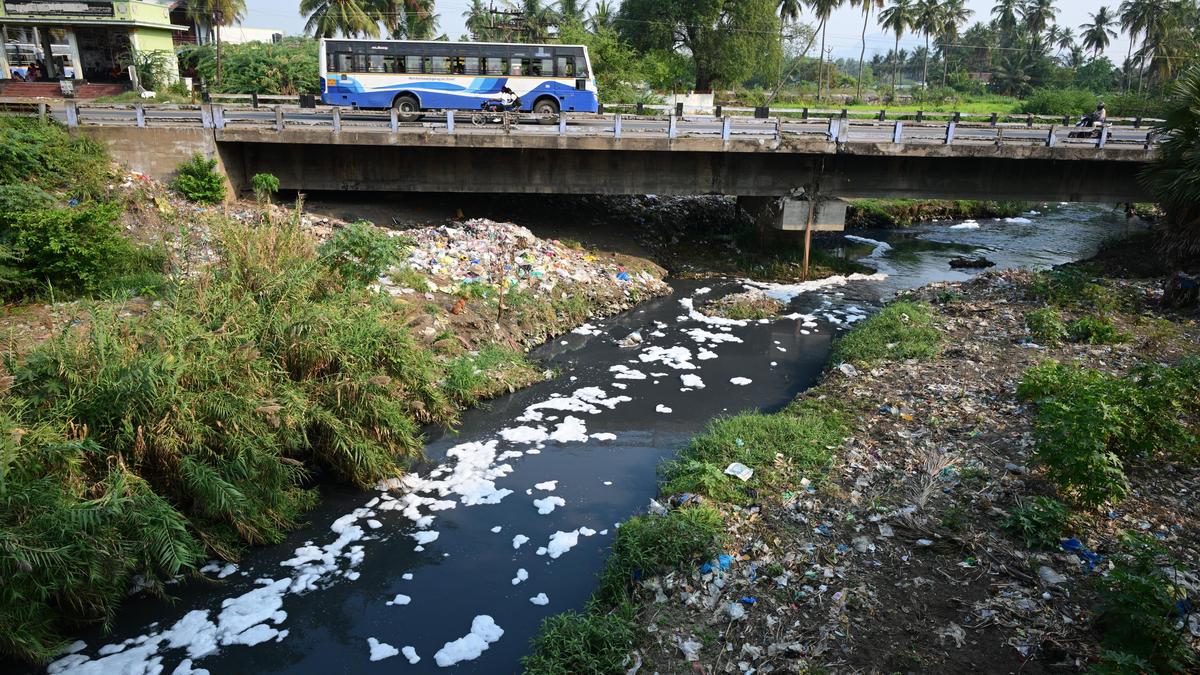
As the 2026 Tamil Nadu elections draw near, the people of the Veerapandi constituency are raising serious concerns about water pollution. The Thirumanimutharu river, which is the main water source for local farms, has become heavily contaminated with industrial waste. Farmers who grow essential crops like sugarcane and millets are now struggling to find clean water. This environmental crisis is expected to be a major talking point for voters during the upcoming election cycle.
Main Impact
The pollution of the Thirumanimutharu river is having a direct and negative effect on the local economy. Because the river water is filled with chemicals, farmers can no longer use it to water their fields. This has forced them to rely on expensive groundwater or other scarce sources. The damage to the water supply is not just an environmental problem; it is a financial burden that is making it harder for families to earn a living from their land.
Key Details
What Happened
For a long time, illegal dyeing units have been operating in the areas surrounding the Veerapandi constituency. These small factories use strong chemicals and dyes to color clothes and fabrics. Instead of cleaning the waste liquid, many of these units dump the dirty water, known as effluents, directly into the Thirumanimutharu river. Over time, this constant dumping has turned the river into a flow of toxic waste, making it dangerous for both animals and crops.
Important Numbers and Facts
The Veerapandi region is a major agricultural hub. Farmers here produce a wide range of goods, including millets, sugarcane, various vegetables, and flowers that are sold in local markets. Thousands of families depend on these crops for their survival. With the river water unusable, the demand for borewells has increased. However, drawing too much groundwater is causing the water table to drop rapidly. In some parts of the constituency, the groundwater itself is starting to show signs of chemical contamination, which could lead to long-term soil damage.
Background and Context
The Thirumanimutharu river has historically been the lifeblood of the region. It provided the necessary irrigation for multiple farming seasons throughout the year. Agriculture is the primary occupation in Veerapandi, and the health of the river is tied directly to the health of the community. While the textile and dyeing industry provides jobs, the lack of proper waste management has created a conflict between industrial growth and environmental safety. In past years, there have been many complaints about these illegal units, but the problem has persisted, leading to the current frustration among the public.
Public or Industry Reaction
Local farmers and residents are becoming more vocal about their anger. Many feel that the government and local authorities have not done enough to stop the illegal dumping. Farming unions have held meetings to demand stricter rules for the textile industry. Voters are now signaling that they will prioritize candidates who offer a real solution to the water crisis. There is a strong demand for the installation of common treatment plants that can clean industrial waste before it ever reaches the river.
What This Means Going Forward
The 2026 election will likely be a test for political leaders in the region. Candidates will need to move beyond simple promises and provide a clear plan for environmental restoration. If the pollution is not addressed, the agricultural output of Veerapandi could drop significantly, leading to higher food prices and more poverty. The next government will face the difficult task of shutting down illegal factories while ensuring that the legal ones follow strict environmental laws. Protecting the Thirumanimutharu river is no longer just a choice; it is a necessity for the survival of the constituency.
Final Take
The situation in Veerapandi highlights a growing trend where environmental issues are becoming central to political success. Farmers are tired of seeing their primary water source destroyed by industrial greed. As the election approaches, the message from the people is clear: clean water is a basic right, and any leader who wants their vote must prove they can protect the land and the river for future generations.
Frequently Asked Questions
Why is the Thirumanimutharu river polluted?
The river is polluted because illegal dyeing units dump chemical waste and untreated water directly into it. These units do not follow environmental safety rules.
How does this pollution affect farmers in Veerapandi?
Farmers cannot use the toxic river water for their crops. This forces them to use groundwater, which is more expensive to access and is also at risk of becoming contaminated.
What are the main crops grown in this constituency?
The area is known for growing millets, sugarcane, vegetables, and flowers. All of these crops require a steady supply of clean water to grow healthily.



