
Summary
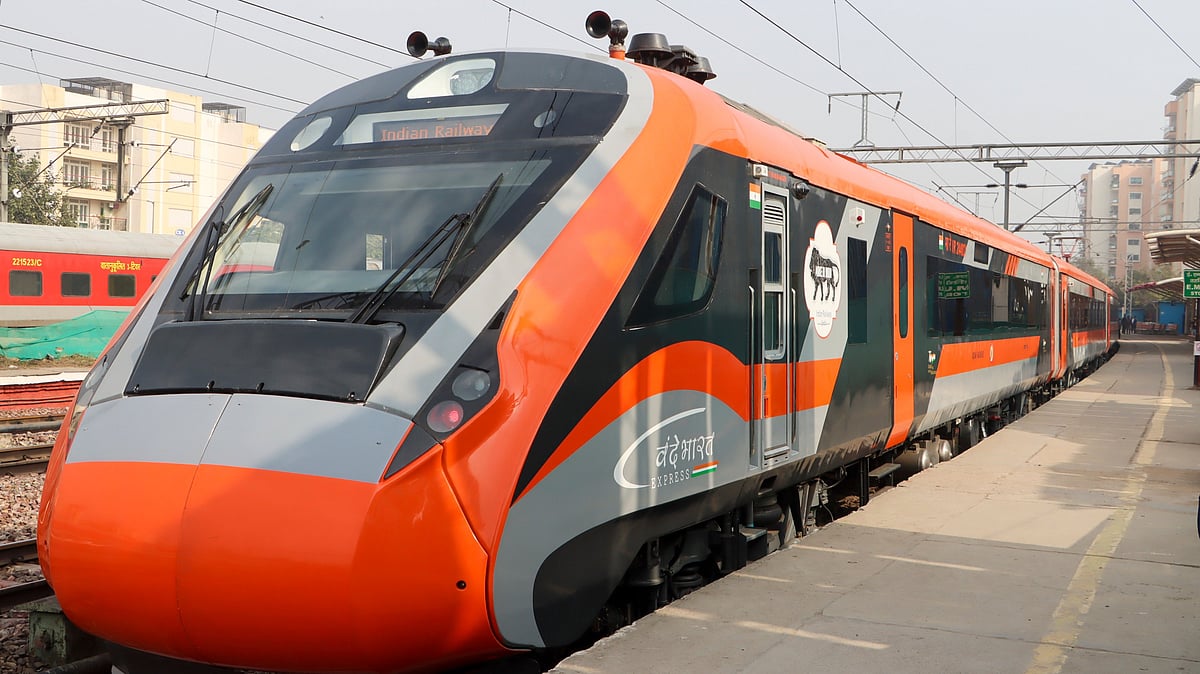
Passengers traveling on the Patna–Tatanagar Vande Bharat Express were shocked to find live worms in their food. The insects were discovered inside sealed containers of Amul curd served during the evening meal. This incident has caused a major stir because Vande Bharat is considered India’s top-tier train service. In response, the government has issued heavy fines and started the process of canceling contracts for those responsible for the food service.
Main Impact
The discovery of contaminated food has damaged the reputation of the Vande Bharat service, which is marketed as a high-end travel option. The Ministry of Railways took a very firm stand by overrunning the initial light penalties set by the Indian Railway Catering and Tourism Corporation (IRCTC). By imposing massive fines and moving to blacklist the service provider, the government is sending a clear message that poor hygiene will not be tolerated on premium trains. This situation also puts pressure on major brands like Amul to explain how pests ended up in sealed dairy products.
Key Details
What Happened
On March 15, 2026, several passengers on the train from Patna to Tatanagar noticed something moving in their curd. At least seven people reported finding live insects inside the packaged Amul curd that came with their dinner. One passenger, Ritesh Singh, took photos and videos of the worms and shared them on social media. He tagged the Railway Minister and the IRCTC to show the poor quality of food being served for the high price of the ticket. The post quickly went viral, forcing officials to take notice of the health risk.
Important Numbers and Facts
The financial impact of this incident is significant. The Ministry of Railways ordered a fine of 50 lakh rupees on Krishna Enterprises, the company in charge of the onboard catering. Additionally, the IRCTC itself was fined 10 lakh rupees for failing to supervise the food quality properly. This was a huge increase from the original fine of only 25,000 rupees that was first suggested. Passengers pay between 1,200 and 2,500 rupees for tickets on this train, which is much higher than standard train fares in India. Because of the high cost, travelers expect food safety standards similar to those found on airplanes.
Background and Context
The Vande Bharat Express is a symbol of modern travel in India. These trains are designed to be fast, comfortable, and clean. They are often compared to international bullet trains or high-speed rail services in other countries. Part of the appeal is the "premium" experience, which includes better seats, faster travel times, and high-quality meals included in the ticket price. When basic hygiene fails, such as finding worms in food, it creates a lack of trust among the public. People feel that if they are paying extra money, they should at least receive food that is safe to eat. This incident highlights a gap between the modern look of the trains and the actual quality of the services provided inside them.
Public or Industry Reaction
The reaction from the public was one of anger and disappointment. Many people on social media pointed out that this is not the first time food quality issues have been reported on Vande Bharat trains. Amul, the company that produced the curd, responded to the complaints by asking for the batch numbers and contact details of the passengers so they could start an internal investigation. The Ministry of Railways expressed its unhappiness with the IRCTC’s initial soft response. Officials felt that a small fine was not enough for such a serious mistake. As a result, the IRCTC has now summoned Amul officials to a meeting to explain how this happened and to ensure it never occurs again.
What This Means Going Forward
Moving forward, there will likely be much stricter rules for food vendors on all premium trains. The catering company, Krishna Enterprises, is facing the termination of its contract and could be blacklisted, meaning they would not be allowed to work with the railways again. The IRCTC has been told to improve its monitoring systems and perform more frequent checks on food items. There is also a focus on the "cold chain," which is the system of keeping food at the right temperature from the factory to the passenger's plate. If the curd was not kept cold enough during transport, it could have led to spoilage or the growth of pests. Better storage and faster reporting of complaints will be key to fixing these issues.
Final Take
A high-speed train is only as good as the service it provides to its passengers. While India has made great progress in building faster trains, this incident shows that food safety must remain a top priority. Paying a premium fare should guarantee a premium experience, starting with a safe and healthy meal. The government's decision to use heavy fines shows they are serious about fixing these problems, but long-term trust will only return when passengers can eat their meals without fear of finding insects.
Frequently Asked Questions
How much were the companies fined for the worm incident?
The catering company, Krishna Enterprises, was fined 50 lakh rupees, and the IRCTC was fined 10 lakh rupees by the Ministry of Railways.
Which train was involved in this food quality issue?
The incident happened on the Patna–Tatanagar Vande Bharat Express during the dinner service on March 15.
What is being done to prevent this from happening again?
The government is terminating the catering contract, blacklisting the responsible vendor, and demanding a full explanation from the dairy supplier, Amul, regarding their quality control processes.

