
Summary
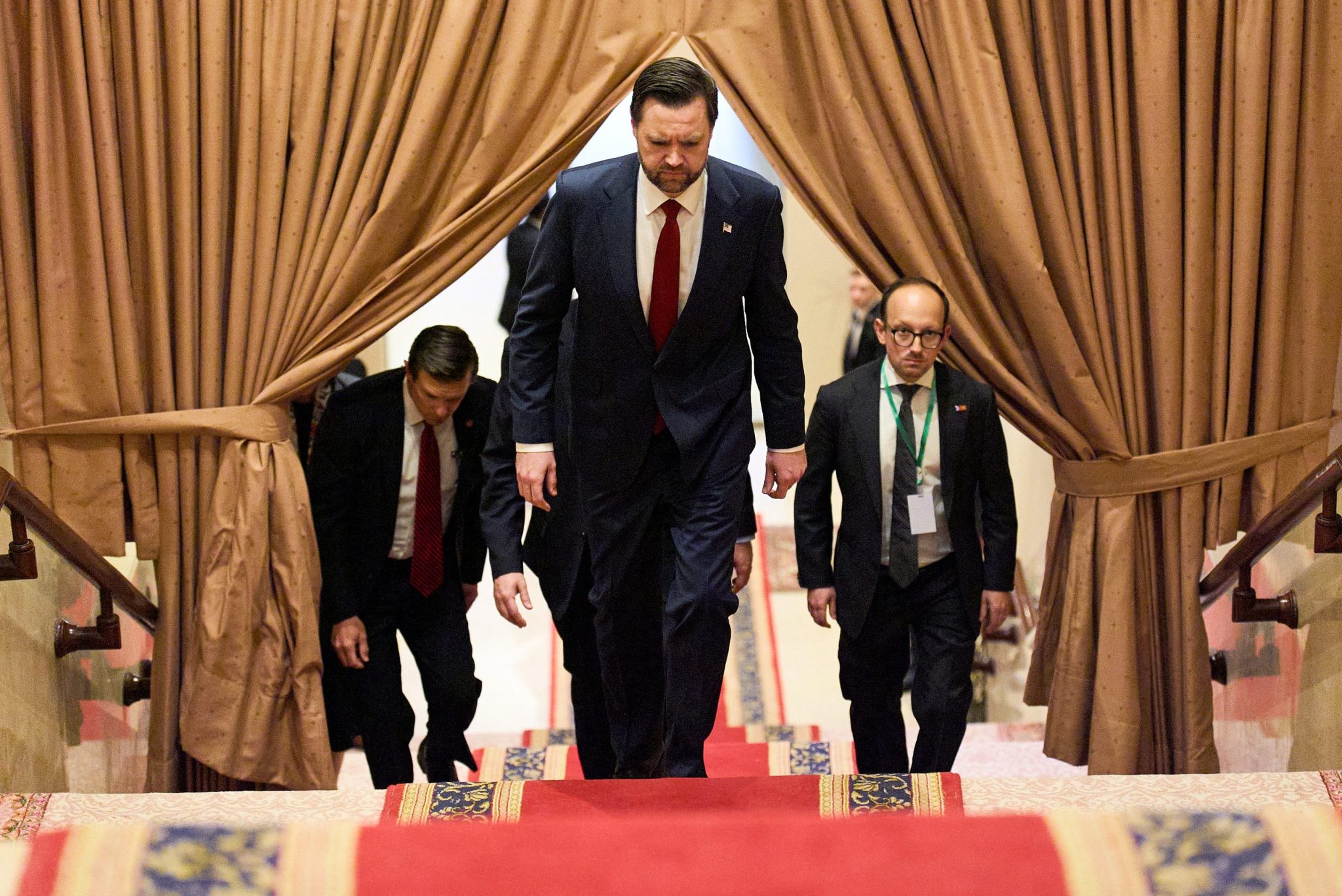
United States Vice President J.D. Vance has left Pakistan after a long series of meetings with Iranian officials ended without a peace deal. The talks lasted for 21 hours but failed because Iran refused to accept American demands to stop its nuclear weapons program. This meeting was a major attempt to end a seven-week war that has killed thousands of people and caused major problems for the global economy. While a short ceasefire is currently in place, the failure to reach a long-term agreement leaves the future of the region in doubt.
Main Impact
The primary result of these failed talks is that the threat of continued war remains very high. The United States made it clear that it will not sign a peace treaty unless Iran promises not to build nuclear weapons. Since Iran would not agree to this, the two countries remain at a standoff. This failure also affects the global oil market, as the conflict has made it difficult for ships to move through important trade routes. Without a deal, the risk of the fighting starting again in full force is a major concern for leaders around the world.
Key Details
What Happened
The negotiations took place in Islamabad, Pakistan, and involved high-level officials from both the U.S. and Iran. Vice President Vance led the American team, while Mohammad Bagher Qalibaf, the head of Iran’s parliament, led the Iranian side. Throughout the 21-hour session, Vance stayed in constant contact with President Donald Trump, speaking to him about a dozen times. The U.S. presented what it called its "final and best offer," but the Iranian delegation would not commit to the nuclear restrictions required by the White House.
Important Numbers and Facts
The human and economic cost of this seven-week war is very high. Reports show that at least 3,000 people have died in Iran, and more than 2,000 have been killed in Lebanon. On the Israeli side, 23 people have died. The war has also caused energy prices to rise because the Strait of Hormuz, a narrow water path used for shipping oil, has been mostly closed. Normally, about 100 ships pass through this area every day, but recently that number dropped to only 12. The U.S. military has now sent destroyers and underwater drones to the area to clear mines and try to reopen the path for trade.
Background and Context
This conflict began on February 28 and has quickly spread across several countries in the Middle East. It involves not just the U.S. and Iran, but also groups like Hezbollah in Lebanon and the military of Israel. These talks in Pakistan were historic because the U.S. and Iran rarely speak directly to each other. The last time there was this much direct contact was over ten years ago. The current U.S. administration wants to ensure that Iran cannot quickly build a nuclear bomb, which they believe would make the region even more dangerous. Iran, on the other hand, wants the U.S. to pay for damages caused by military strikes and to release money that has been frozen in bank accounts for years.
Public or Industry Reaction
The reaction to the failed talks has been a mix of worry and criticism. Pope Leo XIV spoke out against the war, saying that leaders are being blinded by a desire for power. In Iran, many citizens are tired of the fighting and the damage to their cities. While some people hoped the talks would bring peace, others are skeptical that a deal can ever be reached. In the shipping and oil industries, there is great concern about the Strait of Hormuz. Even though President Trump said the U.S. is clearing the area, the Iranian government has denied that the U.S. has control over the waterway.
What This Means Going Forward
The next few days will be critical for the region. A two-week ceasefire is still in effect, but it is not clear if it will be extended now that the talks have failed. If the fighting resumes, it could lead to even more destruction in Lebanon and Iran. There is another set of talks scheduled to happen in Washington between Israel and Lebanon. These meetings are meant to address the fighting between the Israeli military and Hezbollah. However, without a larger agreement between the U.S. and Iran, these smaller talks may not be enough to bring lasting peace to the Middle East.
Final Take
The departure of Vice President Vance from Pakistan without a deal shows just how deep the divide is between the United States and Iran. While both sides seem to want to avoid a much larger war, neither is willing to give up its core demands. The U.S. is standing firm on nuclear safety, while Iran is focused on its own security and financial needs. As long as these two positions do not change, the region will remain on the edge of a much larger conflict that could affect the entire world.
Frequently Asked Questions
Why did the talks between the U.S. and Iran fail?
The talks failed because Iran refused to agree to U.S. demands that it stop developing nuclear weapons and the tools needed to build them.
What is the Strait of Hormuz and why is it important?
The Strait of Hormuz is a narrow waterway that is vital for the global oil trade. About 20% of the world's oil passes through it, and its closure has caused energy prices to go up.
Is the war still going on?
There is currently a fragile two-week ceasefire in place, but the war has not officially ended, and there are concerns that fighting will start again soon.



