
Summary
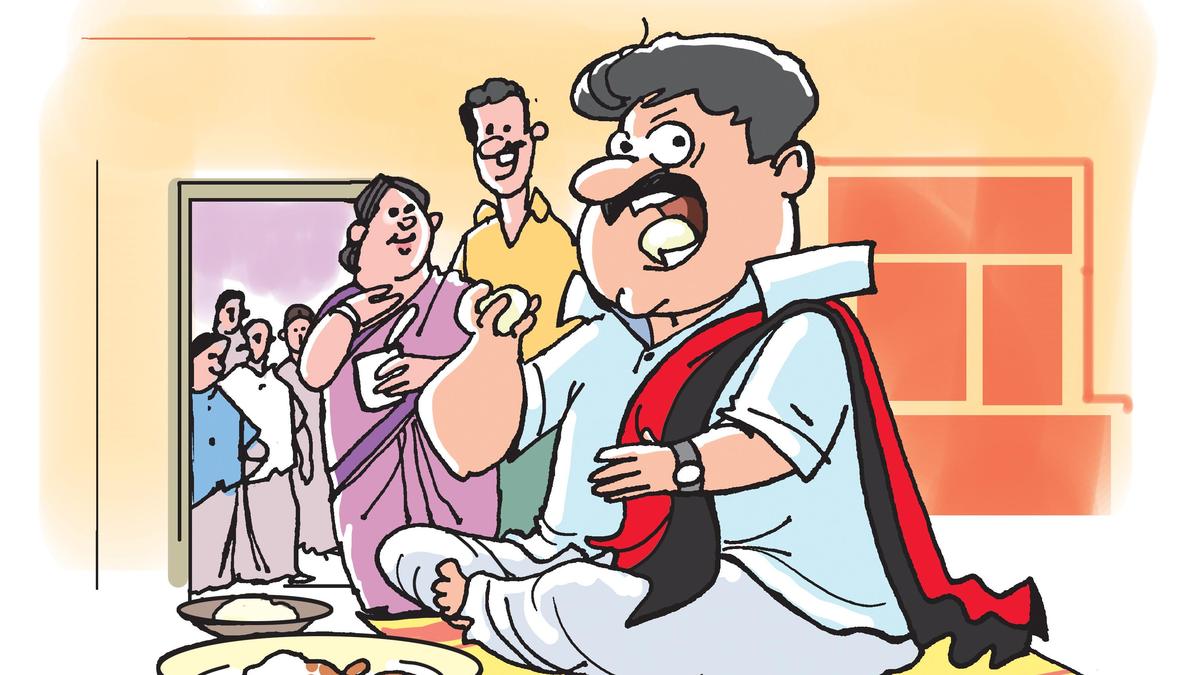
The short story "Vaaku Porukkikal" by the famous writer Nanjil Nadan offers a deep look into the political history of Tamil Nadu. It focuses on how the DMK party rose to power during the 1967 elections by connecting with the common people. The story highlights the smart strategies and hard work of party members who understood the needs of the public. By looking back at this era, the author shows how local leaders turned the hopes of the people into a major political victory.
Main Impact
The main impact of this story is its ability to explain a major political shift through simple human interactions. In 1967, the political world in Tamil Nadu changed forever when the DMK defeated the long-standing Congress party. Nanjil Nadan’s writing shows that this was not just a lucky win. It was the result of leaders who knew how to talk to voters in their own language and address their daily struggles. This story helps readers understand the foundation of the Dravidian movement and why it stayed strong for so many decades.
Key Details
What Happened
In "Vaaku Porukkikal," which translates to "The Vote Pickers," the author describes the campaign trail of DMK candidates. The story shows these men traveling to small villages and talking to people on the streets. Unlike the formal and distant style of older politicians, these men acted like part of the community. They used stories, poems, and simple logic to explain why a change in government was necessary. The story captures the energy of the time, showing how a new group of leaders convinced the public that they represented the future.
Important Numbers and Facts
The 1967 election was a landmark event in Indian politics. It was the first time a regional party won a clear majority in a state assembly. The DMK won 137 seats out of 234, while the Congress party, which had ruled for years, was pushed out of power. Nanjil Nadan, the author of the story, is a highly respected figure in Tamil literature. He won the Sahitya Akademi Award in 2010, which is one of the highest honors for a writer in India. His work is known for using the local dialect of the Kanyakumari region and for showing the reality of life in rural areas.
Background and Context
To understand this story, one must look at what was happening in Tamil Nadu in the 1960s. At that time, there were big protests against making Hindi the only official language of India. There were also serious food shortages and rising prices for basic goods like rice. The DMK used these issues to show that the central government and the local Congress leaders were out of touch with the people. Nanjil Nadan uses his characters to show how the party promised "three measures of rice for one rupee," a slogan that became very famous. The story explains that the party's success came from its ability to turn these big social issues into simple promises that every villager could understand.
Public or Industry Reaction
Literary critics and historians have praised the story for its honesty. Many readers feel that Nanjil Nadan captured the "political smartness" of that generation perfectly. Instead of making the politicians look like heroes, he shows them as hardworking people who were very good at organizing. People who lived through the 1960s say the story feels very real because it mentions the specific way people talked and the excitement of the political rallies. In the world of Tamil literature, this story is seen as an important record of how politics and culture are tied together.
What This Means Going Forward
This story is still important today because it serves as a guide for how grassroots politics works. It shows that winning an election is about more than just money or big advertisements. It is about building a relationship with the voters. For modern political parties, the lessons in "Vaaku Porukkikal" are still useful. It reminds leaders that they must stay close to the ground and listen to the small problems of the people if they want to stay in power. As Tamil Nadu continues to be a state where regional identity is strong, stories like this help younger generations understand where their political roots come from.
Final Take
Nanjil Nadan has created a powerful window into the past with this short story. By focusing on the small details of a campaign, he explains a massive historical change. The story proves that the most effective politics is often the kind that happens on the front porch of a village house or under a local tree. It is a tribute to the skill of the workers who built a movement from the ground up, changing the path of a state forever.
Frequently Asked Questions
Who is the author of Vaaku Porukkikal?
The story was written by Nanjil Nadan, a famous Tamil writer who won the Sahitya Akademi Award. He is known for his realistic portrayal of life and politics in southern Tamil Nadu.
What is the main theme of the story?
The main theme is the political skill and grassroots connection of DMK members during the 1967 elections. It explores how they understood and represented the needs of common people to win power.
Why was the 1967 election important?
The 1967 election was a turning point because it was the first time the DMK defeated the Congress party in Tamil Nadu. This started a long era where regional parties became the main power in the state.



