
Summary
Uttarakhand Chief Minister Pushkar Singh Dhami has launched a sharp verbal attack on opposition parties, calling them "anti-women." The Chief Minister made these comments in response to what he describes as attempts to block a 30% job quota for women in the state. He claims that while his government is working to empower women, the opposition is trying to create legal and political hurdles to stop these benefits from reaching the people.
Main Impact
The primary impact of this development is a growing political divide over women's rights and employment in Uttarakhand. By using strong language like "anti-women," the Chief Minister is making the 30% job reservation a major political issue. If the quota faces further delays, it could affect thousands of women who are looking for stable government jobs. This situation also puts pressure on opposition parties to prove their support for women's empowerment while they raise concerns about the legal strength of the current laws.
Key Details
What Happened
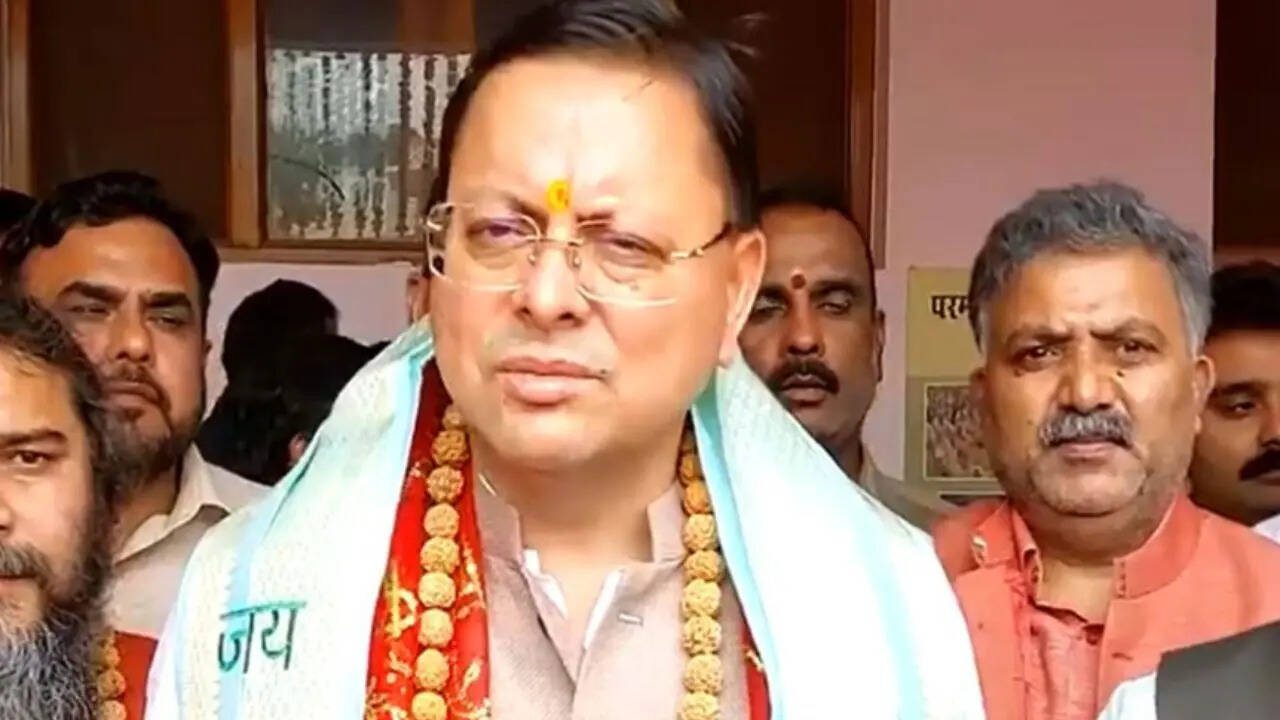
Chief Minister Dhami spoke at a public gathering where he focused on the importance of "Matra Shakti," or the power of mothers and women. He argued that the opposition has a history of opposing progress for women in the state. The CM specifically pointed to the legal battles surrounding the state's policy to reserve 30% of government positions for local women. He suggested that the opposition is secretly supporting those who want to scrap the quota in court.
Important Numbers and Facts
The policy in question is the 30% horizontal reservation for women who are permanent residents of Uttarakhand. This means that in every category of government hiring, 30% of the seats are set aside specifically for women. This law was formally passed by the state assembly after a long period of legal uncertainty. The government believes this is necessary because women in the hilly regions of the state face unique challenges and play a vital role in the local economy.
Background and Context
The issue of women's reservation in Uttarakhand has a long and complicated history. For many years, the state provided this quota through executive orders. However, in 2022, the Uttarakhand High Court put a stay on this practice after a legal challenge. The court questioned whether a state could provide reservation based on being a resident of that specific state. This created a huge problem for the government and for women candidates who were already in the middle of the hiring process.
To fix this, the Dhami government took the matter to the Supreme Court and also passed a new law in the state assembly. This law, known as the Uttarakhand Public Services (Horizontal Reservation for Women) Bill, was meant to give the quota a solid legal foundation. The Chief Minister now claims that any attempt to question or delay this law is an attack on the women of the state.
Public or Industry Reaction
The reaction to the CM's statement has been split. Supporters of the ruling party believe that the 30% quota is a fair reward for the hard work women do in the state. They see the CM as a champion for women's rights. On the other hand, opposition leaders have denied being "anti-women." They argue that they actually support the quota but want to make sure the law is written perfectly. They fear that if the law has mistakes, the courts will strike it down again, which would hurt women even more in the long run. Some activists also suggest that the government should focus more on creating new jobs rather than just fighting over quotas.
What This Means Going Forward
In the coming months, the legal status of the women's quota will remain a top priority for the Uttarakhand government. They will likely continue to defend the law in the Supreme Court if new challenges arise. Politically, the Chief Minister will likely use this issue in future election campaigns to gain the support of female voters. The opposition will need to find a way to criticize the government's methods without appearing to be against the quota itself. For the women of Uttarakhand, the next steps will determine if they can rely on this 30% reservation for their future careers.
Final Take
The debate over the women's quota in Uttarakhand is about more than just jobs; it is about political identity. By labeling the opposition as "anti-women," Chief Minister Dhami is setting a clear line in the sand. The success of this strategy depends on whether the government can successfully protect the quota in court and ensure that women actually see the benefits in their daily lives. For now, the political heat in the state is rising as both sides claim to be the true defenders of women's interests.
Frequently Asked Questions
What is the 30% women's quota in Uttarakhand?
It is a policy that reserves 30% of state government jobs for women who are permanent residents of Uttarakhand. This is a "horizontal" reservation, meaning it applies across all other categories like General, SC, or ST.
Why did the Chief Minister call the opposition "anti-women"?
The CM believes the opposition is trying to block or weaken the laws that provide job reservations for women. He claims they are creating legal hurdles that prevent women from getting the jobs they deserve.
Is the women's quota currently active?
Yes, the state government passed a formal Act to protect the quota after it was challenged in court. The government is now working to ensure this law stays in place despite any further legal opposition.



