
In a remote tribal hamlet in Kerala's Nilambur, a 25-year-old woman's pregnancy turned into a fight for survival. When she arrived at the Government District Hospital Nilambur, doctors discovered a rare uterine rupture — the baby had slipped into her abdominal cavity. What followed was a race against time that ended with both mother and child alive.
The emergency that unfolded at Nilambur hospital
The woman, from the Cheerakkuzhi tribal hamlet near Chugathara, was brought to the hospital in critical condition. Doctors found that her uterus had ruptured — a rare and life-threatening obstetric emergency. The baby was no longer inside the womb but lying in the abdominal cavity. Without immediate surgery, both lives were at risk.
Why a uterine rupture is a medical emergency
A uterine rupture is a tear in the wall of the uterus, often during labour or late pregnancy. It can cause severe bleeding, oxygen deprivation to the baby, and death if not treated within minutes. In this case, the baby's survival depended on the speed and skill of the medical team at the Government District Hospital Nilambur.
The surgery that saved two lives
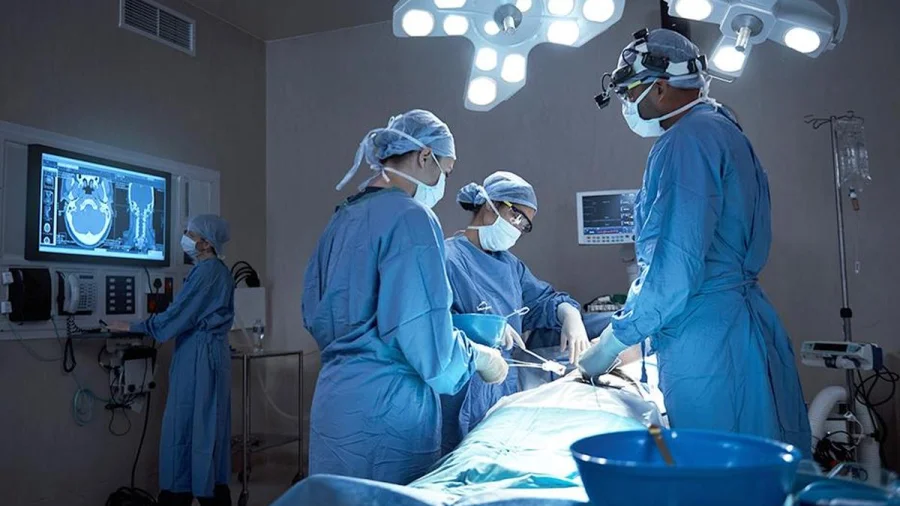
The doctors performed an emergency caesarean section and repaired the uterine tear. The baby was carefully removed from the abdominal cavity. Both mother and child survived the procedure. The hospital has not released an official statement, but sources confirm the woman and baby are stable and recovering.
Who is affected — the tribal community's vulnerability
The woman belongs to the Cheerakkuzhi tribal hamlet, a remote area with limited access to advanced healthcare. For tribal women in such regions, reaching a hospital in time during pregnancy complications can be a challenge. This case highlights the gap in maternal healthcare access for marginalised communities in Kerala's forested areas.
What doctors say about the rarity of this case
Medical experts note that uterine rupture is uncommon, especially in women with no prior uterine surgery. The survival of both mother and baby in such a scenario is considered a medical achievement. The Nilambur team's quick response and surgical expertise were crucial.
Confirmed facts vs what remains unclear
Confirmed: The woman is 25 years old, from Cheerakkuzhi tribal hamlet, and was admitted to Government District Hospital Nilambur with a uterine rupture. The baby was in the abdominal cavity. Both survived surgery. Unclear: The exact cause of the rupture, the woman's medical history, and whether she had prior pregnancies or surgeries. The hospital has not provided a detailed medical report.
Risks and balanced view
While the outcome is positive, uterine rupture carries long-term risks including future pregnancy complications, infection, and emotional trauma. The woman will need follow-up care and counselling. The case also raises questions about the preparedness of rural hospitals to handle such rare emergencies.
Wider trend — maternal health in tribal India
India has made progress in reducing maternal mortality, but tribal and remote communities still face barriers. Delayed access to emergency care, lack of awareness, and inadequate transport infrastructure remain challenges. This case is a reminder that even in Kerala — a state with high health indicators — gaps exist for marginalised groups.
Practical guidance for pregnant women in remote areas
Pregnant women in tribal or remote areas should register for antenatal care early, identify the nearest hospital with emergency obstetric services, and have a birth preparedness plan. Family members should be trained to recognise danger signs like severe abdominal pain, bleeding, or reduced foetal movement.
Future outlook
The woman and baby are expected to recover fully. The case may prompt health authorities to review emergency obstetric protocols in tribal regions of Kerala. It also underscores the need for better transport and communication links for remote hamlets like Cheerakkuzhi.
Our Take
This story is not just about a medical miracle — it is about the resilience of a tribal woman and the skill of doctors in a district hospital. It reminds us that every life saved in a remote corner of India is a testament to the public health system. But it also asks a hard question: how many such women never reach the hospital in time?
Frequently Asked Questions
What is a uterine rupture?
A uterine rupture is a tear in the wall of the uterus, usually during labour or late pregnancy. It is a life-threatening emergency that requires immediate surgery to save both mother and baby.
How rare is a uterine rupture?
Uterine rupture is rare, occurring in about 0.5% to 1% of pregnancies, especially in women with a previous caesarean section. In women with no prior uterine surgery, it is even rarer.
Can both mother and baby survive a uterine rupture?
Yes, if emergency surgery is performed quickly. The survival rate depends on the severity of the rupture, the speed of medical response, and the availability of skilled surgeons and blood transfusion.
What should tribal women do to ensure safe pregnancy?
They should register for antenatal care early, identify the nearest hospital with emergency obstetric services, and have a birth plan. Community health workers can help with transport and awareness.



