
Summary
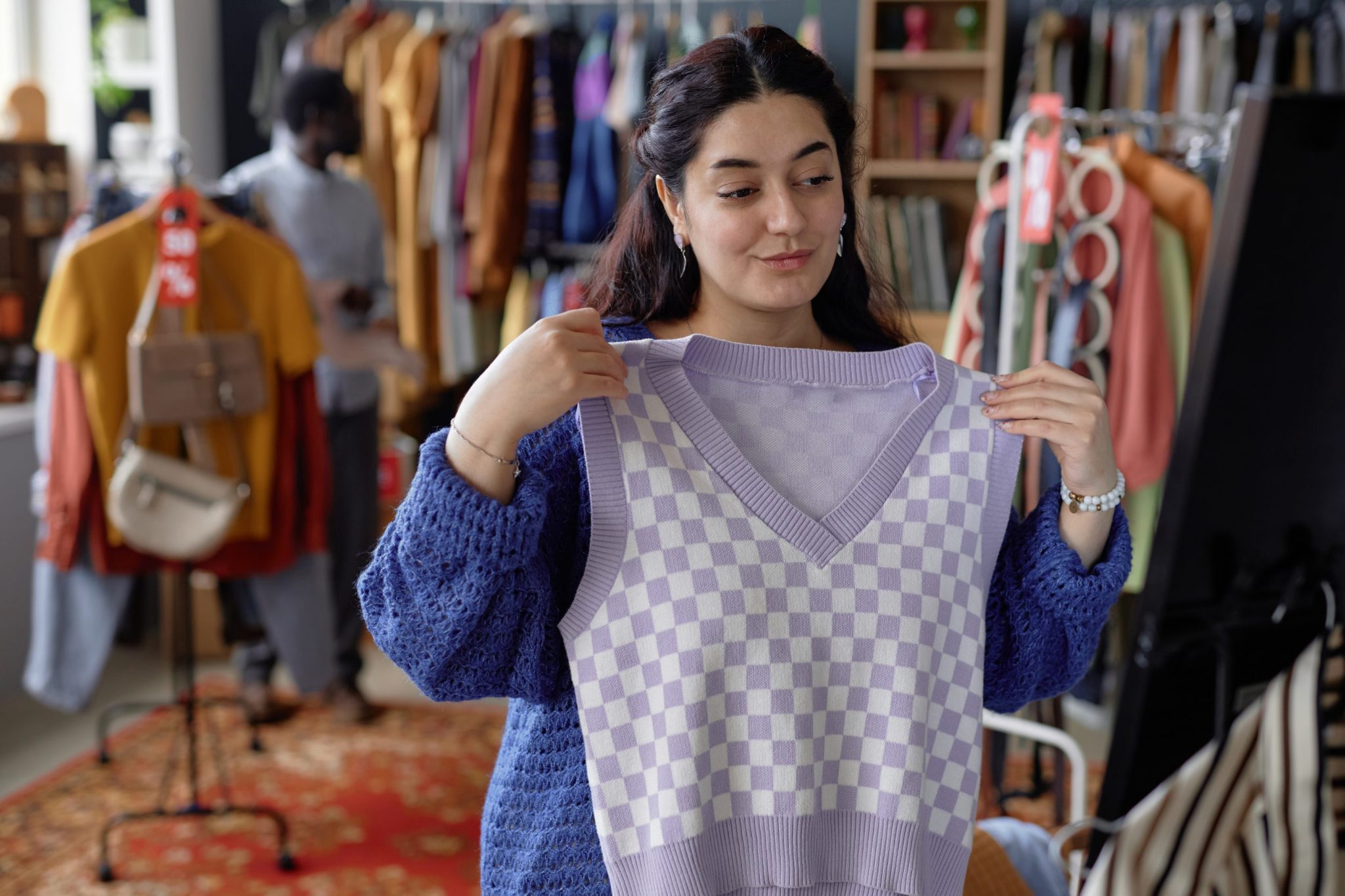
Americans are starting to spend more money on clothes again after a long period of buying less. However, the way people are shopping shows a big split in the economy. While overall clothing sales grew by 5.1% in March, the biggest growth is happening in the secondhand market. People are either buying very expensive used luxury items or looking for the cheapest used clothes possible to save money. This trend shows that the middle class is moving away from traditional stores and toward resale platforms.
Main Impact
The rise in used clothing sales is changing the entire fashion industry. For the first time in nearly three years, clothing spending is going up, but traditional department stores are not the ones seeing the benefit. Instead, online resale sites are taking over. This shift is creating a "K-shaped" economy. This means that while wealthy people are spending more on high-end used goods, lower-income families are turning to used clothes just to make their budgets work. This divide is making it harder for middle-market stores to stay in business.
Key Details
What Happened
Recent data shows that the number of people buying used clothes jumped by 22% compared to last year. This growth is coming from two different directions. On one side, spending on used luxury fashion grew five times larger in just a few months. On the other side, sales of used discount clothes also went up by more than 4%. This shows that both the rich and the budget-conscious are moving toward the secondhand market at the same time.
Important Numbers and Facts
Several major companies reported big changes in their earnings recently. ThredUP, a popular online thrift store, saw its revenue grow by 20% to reach $310 million last year. The RealReal, which sells used luxury brands like Chanel and Louis Vuitton, saw its revenue hit $693 million. Meanwhile, traditional stores like Kohl’s saw their sales drop by 4%. Another interesting fact is that Gen Z is very active in this market. About 41% of the people selling their clothes on these platforms are young adults from the Gen Z age group.
Background and Context
To understand why this is happening, we have to look at the current state of the economy. For several years, prices for food, rent, and gas have been very high. This is called inflation. In March, the inflation rate was 3.3%, which is higher than it was the month before. Because everything costs more, many people have less money to spend on new clothes. At the same time, the stock market has been doing well, which helps wealthy people feel more comfortable spending money on luxury items. This creates a situation where the middle of the market disappears, leaving only the very expensive and the very cheap options.
Public or Industry Reaction
Business leaders in the resale industry are very positive about these changes. The CEO of ThredUP noted that the used clothing market is growing four times faster than the rest of the clothing industry. He believes that resale is no longer just a small trend but is now a major part of how Americans shop. On the other hand, shoppers are feeling a lot of stress. A report from the University of Michigan showed that consumer confidence is at an all-time low. People are worried about the future, which is why they are looking for ways to save money or make extra cash by selling their old clothes.
What This Means Going Forward
The move toward used clothes is likely to continue as long as prices stay high. For young people, selling clothes online has become a common way to earn extra money. This means that apps and websites for used clothes will probably get even more popular. Traditional department stores will have to find new ways to attract customers, or they may continue to lose money. We can expect to see more luxury brands getting involved in the resale market as they realize how much money people are willing to spend on used designer goods.
Final Take
The booming market for used clothes tells a story about the financial health of the country. It shows that while some people are doing well enough to buy used designer bags, many others are struggling to keep up with rising costs. Shopping for used clothes is no longer just about being eco-friendly or finding a unique style. For many Americans, it has become a necessary way to manage their money in an uncertain economy. The gap between the high end and the low end of the market is wider than ever, and the fashion world is changing to fit this new reality.
Frequently Asked Questions
Why is the secondhand clothing market growing so fast?
It is growing because of high inflation and a split economy. People with less money buy used clothes to save, while wealthy people buy used luxury items as a way to get high-end brands for a better price.
Which age group is selling the most used clothes?
Gen Z is the most active group in the resale market. They make up about 41% of the people selling clothes on major resale platforms to help increase their personal income.
How are traditional department stores doing?
Many traditional department stores are struggling. Sales at stores like Kohl’s have been falling because more shoppers are choosing to buy used clothes online instead of new clothes at full price.



