
Summary
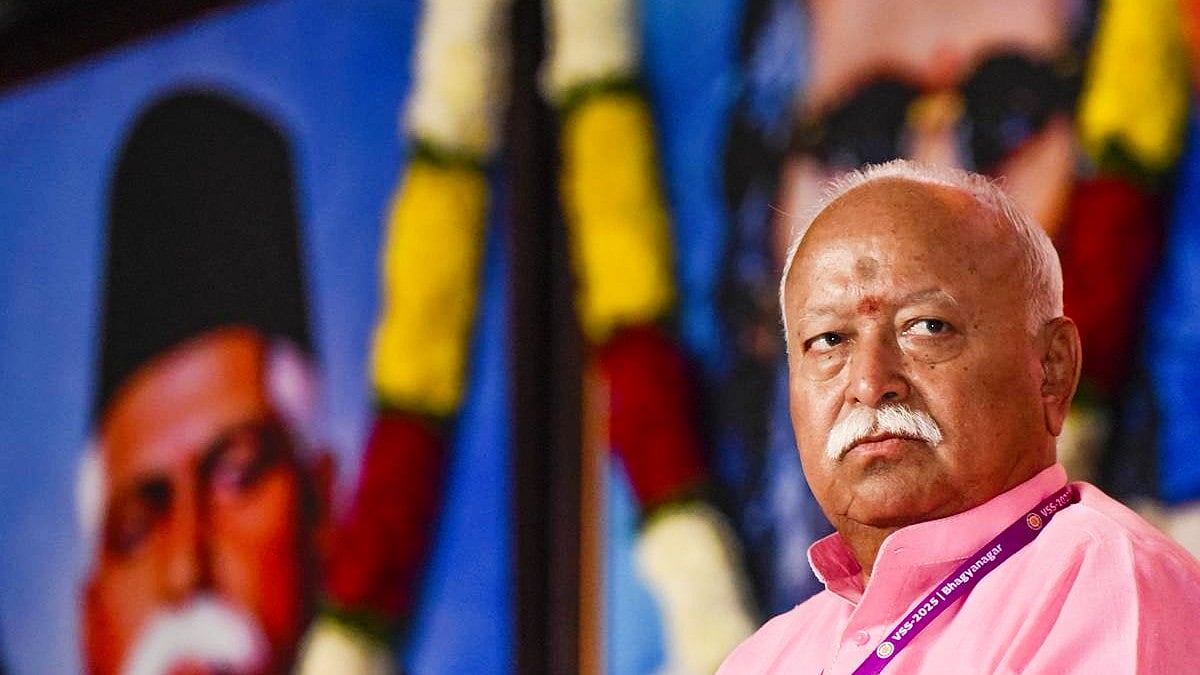
A United States government commission has recommended that the U.S. government place sanctions on the Rashtriya Swayamsevak Sangh (RSS) and India’s external spy agency, the Research and Analysis Wing (RAW). The U.S. Commission on International Religious Freedom (USCIRF) claims these groups are responsible for violating religious freedoms in India. Following this news, the Congress party in India has used the report to criticize the RSS, reminding the public that the organization was once banned in 1948. This development has sparked a fresh political debate about religious rights and international relations.
Main Impact
The recommendation by the USCIRF is a significant move that could affect the relationship between India and the United States. While the commission does not make final laws, its suggestions carry weight in Washington. If the U.S. government follows these recommendations, it could lead to travel bans and the freezing of assets for certain individuals and groups. In India, this has given the opposition party, Congress, more fuel to attack the ruling party’s ideological base during the RSS centenary year.
Key Details
What Happened
The USCIRF released a report stating that religious freedom in India became worse throughout 2025. The commission specifically named the RSS, which is the ideological parent of the Bharatiya Janata Party (BJP), and RAW, India’s foreign intelligence service. The report suggests that these organizations should be held accountable for how they treat religious minorities. The Congress party quickly shared this report on social media, using it to argue that the RSS is a threat to the country’s unity and its constitution.
Important Numbers and Facts
The report includes several serious recommendations and historical references. The USCIRF wants the U.S. State Department to label India as a "Country of Particular Concern." This is a label used for nations where religious freedom is seen as being under constant and severe attack. The commission also pointed to the 2020 protests against the Citizenship Amendment Act (CAA) and the continued jail time for activists like Umar Khalid and Sharjeel Imam. Historically, the Congress party noted that India’s first home minister, Sardar Vallabhbhai Patel, banned the RSS in 1948 after the death of Mahatma Gandhi.
Background and Context
The RSS is a very large and influential organization in India that promotes Hindu culture. It is currently celebrating 100 years since it was founded. Because it is so closely linked to the ruling BJP, any international criticism of the RSS often turns into a major political issue. The USCIRF is an independent body created by the U.S. government to monitor religious freedom around the world. Every year, it reviews different countries and gives advice to the U.S. President and the State Department. In the past, the Indian government has ignored these reports, calling them unfair and one-sided.
Public or Industry Reaction
The Congress party has been very vocal about the report. They claimed that the RSS wants to run the country based on old religious texts rather than the modern Constitution. They described the organization’s influence as "poison" to the nation's brotherhood. On the other side, the Indian government’s Ministry of External Affairs has previously dismissed such reports. In 2025, the ministry said the commission was "politically motivated" and did not understand India’s diverse and multicultural society. They argued that the commission focuses on small, separate incidents to make the whole country look bad.
What This Means Going Forward
It is not yet clear if the U.S. State Department will actually follow the commission’s advice to sanction the RSS or RAW. Usually, the U.S. government tries to balance these human rights reports with the need to keep a strong military and economic partnership with India. However, the report adds pressure on the Indian government to address concerns about how minorities are treated. Within India, the political fight between the BJP and Congress over the identity of the nation is likely to get more intense as the RSS continues its centenary celebrations.
Final Take
This situation shows a growing gap between how some international bodies see India and how the Indian government sees itself. While the U.S. commission focuses on religious laws and the treatment of activists, the Indian government views these reports as an attack on its right to manage its own internal affairs. As the debate continues, the focus will remain on whether these international recommendations will lead to real changes in policy or if they will simply remain a tool for political arguments within India.
Frequently Asked Questions
What is the USCIRF?
The USCIRF is a U.S. government group that monitors religious freedom in other countries and gives advice to the U.S. President and Congress on how to respond to violations.
Why did the Congress party mention a ban from 1948?
The Congress party mentioned the 1948 ban to remind people that the RSS has faced legal trouble in the past, specifically after the assassination of Mahatma Gandhi, to support their current criticism of the group.
What are "targeted sanctions"?
Targeted sanctions are specific punishments, like banning certain people from traveling to the U.S. or stopping them from using their money and bank accounts held in the U.S.

