Summary
A United States submarine sank an Iranian warship, the IRIS Dena, in the Indian Ocean near the coast of Sri Lanka. Early reports suggest that at least 80 people are feared dead, with many more still missing at sea. The Iranian vessel was returning from a major international naval exercise in India when the attack occurred. This event marks a significant escalation in the ongoing conflict between the United States and Iran and represents a rare use of submarine weaponry in modern times.
Main Impact
The sinking of the IRIS Dena has immediate and far-reaching consequences for international security. By using a torpedo to destroy an enemy ship, the United States has demonstrated a level of military force not seen in decades. This action signals that the U.S. is prepared to target Iranian military assets even in busy international shipping lanes. The loss of life and the destruction of a primary Iranian frigate will likely lead to increased tensions and potential retaliation in the Middle East and the Indian Ocean region.
Key Details
What Happened
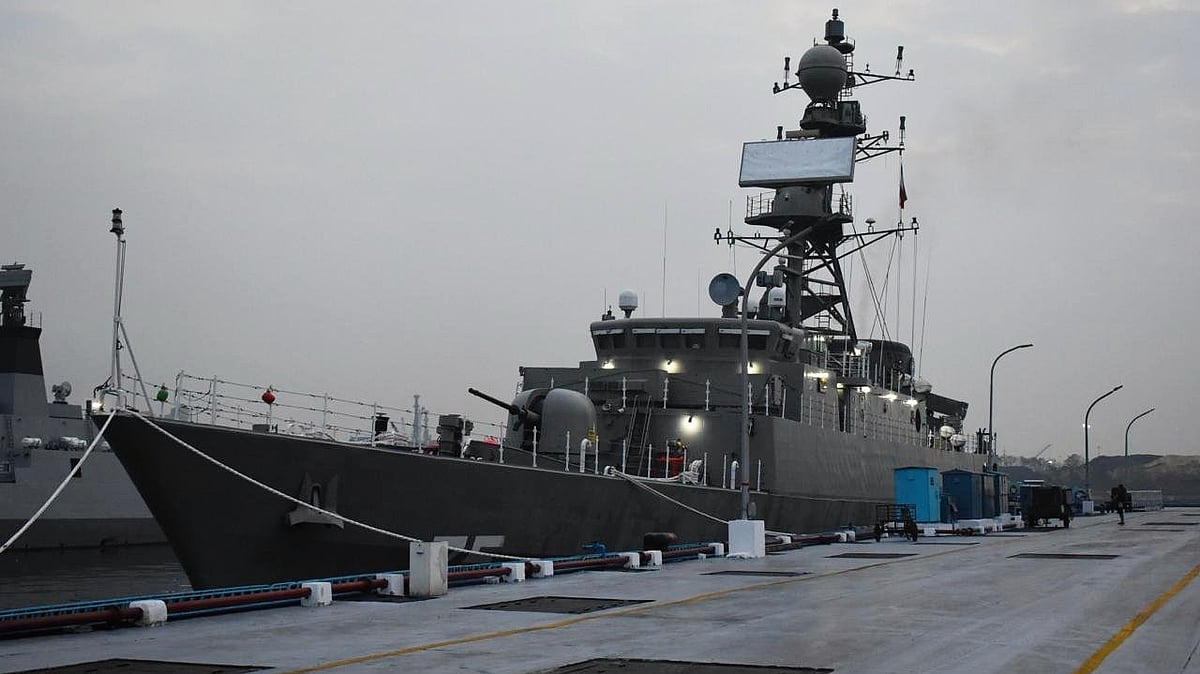
The IRIS Dena, a Moudge-class frigate belonging to the Iranian Navy, was traveling through the Indian Ocean after completing a diplomatic and military mission. While the ship was near Sri Lanka, it was struck by a torpedo fired from an American submarine. The impact caused the ship to sink rapidly. Sri Lankan authorities were the first to respond to the scene, launching a search and rescue operation to find survivors in the water.
Important Numbers and Facts
The scale of the incident is significant, with the following figures reported by defense and government sources:
- Casualties: At least 80 crew members are feared dead.
- Missing: 148 sailors remain unaccounted for as rescue teams continue to search the area.
- Survivors: 32 injured crew members were pulled from the ocean by Sri Lankan rescue teams.
- Historical Context: This is the first time since World War II that a U.S. submarine has used a torpedo to sink an enemy warship.
- The Vessel: The IRIS Dena was a modern Iranian frigate that had just finished participating in the MILAN 2026 naval drills.
Background and Context
The IRIS Dena had been in India to take part in MILAN 2026, one of the largest naval exercises in the world. These drills are designed to help different countries work together to keep the oceans safe. India had invited Iran to participate as a way to build cultural and military ties. The exercise involved complex tasks like defending against air attacks and practicing search-and-rescue missions.
However, while these friendly drills were happening, the United States and Israel were planning a campaign to weaken Iran’s military power. The U.S. Department of Defense stated that their goal is to reduce Iran's ability to control the seas. The attack near Sri Lanka appears to be a direct part of this strategy. Experts believe the U.S. submarine may have been following the Iranian ship for a long time, waiting for the right moment to strike when the ship was away from the protected waters of the naval exercise.
Public or Industry Reaction
The reaction to the sinking has been a mix of shock and political debate. U.S. Defense Secretary Pete Hegseth confirmed the strike, calling it a "quiet death" for the Iranian vessel. He used the event to highlight the strength of the American military, noting that the submarine was able to hit the target without being detected. The Pentagon even released a short video showing the explosion through a submarine's periscope, which is a very rare move for the military.
In India, the event has caused a political stir. Opposition leaders have questioned why a guest ship that was just participating in Indian naval drills was allowed to be sunk so close to the region. Some critics argue that this incident makes India look weak on the global stage, as it happened shortly after the "Bridges of Friendship" theme of the MILAN exercise. Meanwhile, maritime experts are analyzing how the Iranian ship failed to detect the submarine, suggesting that American stealth technology is far ahead of what Iran can currently counter.
What This Means Going Forward
Moving forward, the Indian Ocean may become a much more dangerous place for military and commercial ships. Iran is expected to respond to the loss of its ship and crew, which could lead to more fighting in narrow sea passages like the Strait of Hormuz. Other countries that use these waters for trade will likely be on high alert.
The U.S. military has shown that its submarines can operate anywhere in the world with total secrecy. This may force other nations to invest more in underwater detection technology. For now, the focus remains on the search for the 148 missing sailors, though hopes of finding more survivors are fading as time passes.
Final Take
The sinking of the IRIS Dena is a turning point in modern naval history. It moves the conflict between the U.S. and Iran from small skirmishes to major ship-to-ship combat. While the U.S. views this as a successful display of power, the high death toll and the location of the attack create a complicated situation for international diplomacy. The world is now watching to see how Iran will react and whether this will lead to a much larger war at sea.
Frequently Asked Questions
How many people died in the sinking of the IRIS Dena?
While official numbers are still being confirmed, at least 80 people are feared dead, and 148 sailors are currently missing. Only 32 survivors have been rescued so far.
Where exactly did the attack take place?
The attack happened in the Indian Ocean, near the coast of Sri Lanka. The Iranian ship was in international waters at the time it was hit by the torpedo.
Why was the Iranian ship in the Indian Ocean?
The IRIS Dena was returning to Iran after participating in MILAN 2026, a major multinational naval exercise hosted by India to improve maritime cooperation.