Summary
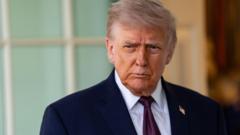
The United States military has intercepted and taken control of a cargo ship flying the Iranian flag. President Donald Trump announced the seizure, marking a significant escalation in maritime tensions between the two nations. This event is particularly sensitive because it occurred just as both countries were preparing for a second round of diplomatic talks. The move has raised immediate questions about the future of these negotiations and the safety of international shipping lanes.
Main Impact
The primary impact of this seizure is the immediate strain it puts on diplomatic efforts. By taking control of an Iranian vessel, the United States has signaled that it will continue to use military and economic pressure even while discussing potential deals. This action could lead to a breakdown in communication, as Iran may view the seizure as an act of aggression that makes peaceful talks impossible. Furthermore, it puts global shipping companies on high alert, as maritime routes in the Middle East often become more dangerous when such incidents occur.
Key Details
What Happened
According to the announcement made by President Trump, US naval forces stopped the Iranian-flagged ship in international waters. The process of intercepting a ship involves military vessels moving into position to block its path and then sending a team to board the vessel. Once on board, the US personnel took control of the ship and its cargo. The exact location of the event has not been fully detailed, but such incidents often take place near key trade routes where the US monitors for banned goods or illegal trade activities.
Important Numbers and Facts
The incident took place on April 19, 2026. This is the first major seizure of an Iranian-flagged vessel by the US in several months. The timing is critical, as it comes only days before the scheduled second round of talks between the two governments. While the contents of the ship have not been officially listed, the US government often targets vessels suspected of carrying oil, weapons, or technology that violates existing trade bans. So far, the crew of the ship is reported to be under US supervision while the vessel is moved to a secure location for inspection.
Background and Context
The relationship between the United States and Iran has been difficult for many decades. The two countries often disagree on issues like nuclear energy, regional influence, and trade rules. To limit Iran's power, the US has placed many rules, known as sanctions, that stop Iran from selling certain products to other countries. When the US suspects a ship is breaking these rules, they may choose to stop and search it.
In recent months, there had been a small hope for improvement. Both sides had agreed to meet for talks to see if they could reach a new agreement. The first round of these talks happened recently, and the second round was expected to build on that progress. Seizing a ship right before a meeting is a bold move that changes the mood of the entire negotiation process. It suggests that the US is not willing to relax its pressure until a final deal is signed and followed.
Public or Industry Reaction
President Trump presented the move as a victory for national security and a necessary step to enforce international law. His supporters see this as a sign of strength, showing that the US will not be soft during negotiations. However, some political experts worry that this could backfire by making the Iranian government more stubborn.
In Tehran, the government has remained unusually quiet. There has been no official statement from Iranian leaders or their state media regarding the loss of the ship. This silence could mean that Iran is carefully planning its next move or that it is waiting to see if the US offers any explanation during the upcoming talks. Shipping industry experts have expressed concern that this could lead to "tit-for-tat" actions, where Iran might try to stop or seize ships from the US or its allies in return.
What This Means Going Forward
The most immediate concern is whether the second round of talks will actually happen. If Iran decides to skip the meeting, it could lead to a long period of silence and increased military presence in the sea. If the talks do proceed, the seizure will likely be the main topic of discussion, potentially distracting from other important issues like nuclear safety or trade agreements.
The US will now begin a thorough inspection of the ship's cargo. If they find evidence of illegal goods, it will give the US more leverage in future arguments. If the ship is found to be carrying normal commercial goods, the US may face international criticism for stopping it. The legal status of the ship and its crew will be decided in the coming weeks, which will serve as a test for how both countries handle high-stakes conflict.
Final Take
This ship seizure is a clear reminder that the path to peace between the US and Iran is full of obstacles. While talks offer a way to solve problems with words, actions on the water show that the underlying tension remains very high. The world will be watching closely to see if this event leads to a new deal or a new conflict. The balance between military force and diplomatic talk is hard to maintain, and the next few days will be vital in determining which direction the two nations will take.
Frequently Asked Questions
Why did the US seize the Iranian ship?
The US government usually seizes ships if they believe the vessel is breaking international laws or trade bans. President Trump stated the move was necessary for national security and to enforce rules on Iranian shipping.
How has Iran responded to the seizure?
As of now, the Iranian government has not made an official comment. They have remained silent while the US prepares for the next steps in the legal and diplomatic process.
Will the scheduled talks between the US and Iran still happen?
It is currently unclear. While the talks were planned for the coming days, the seizure of the ship has created a lot of tension that might cause Iran to cancel or delay the meeting.