
Summary
U.S. oil companies are choosing not to increase their production despite the high price of crude oil. A recent survey shows that energy executives are worried about price swings and political instability, making them hesitant to drill new wells. This lack of action comes at a time when a major war in the Middle East has cut off a large portion of the world’s oil supply. Without more American oil, global energy shortages are expected to get worse in the coming months.
Main Impact
The decision by American oil producers to stay on the sidelines is creating a major gap in the global energy market. Usually, when prices go up, companies rush to pump more oil to make a profit. However, current uncertainty is stopping this normal reaction. This means that the high prices consumers are seeing at the gas station may stay high for a long time. Experts warn that the world is running out of stored oil, and without a boost from U.S. drillers, a serious energy crisis could be unavoidable.
Key Details
What Happened
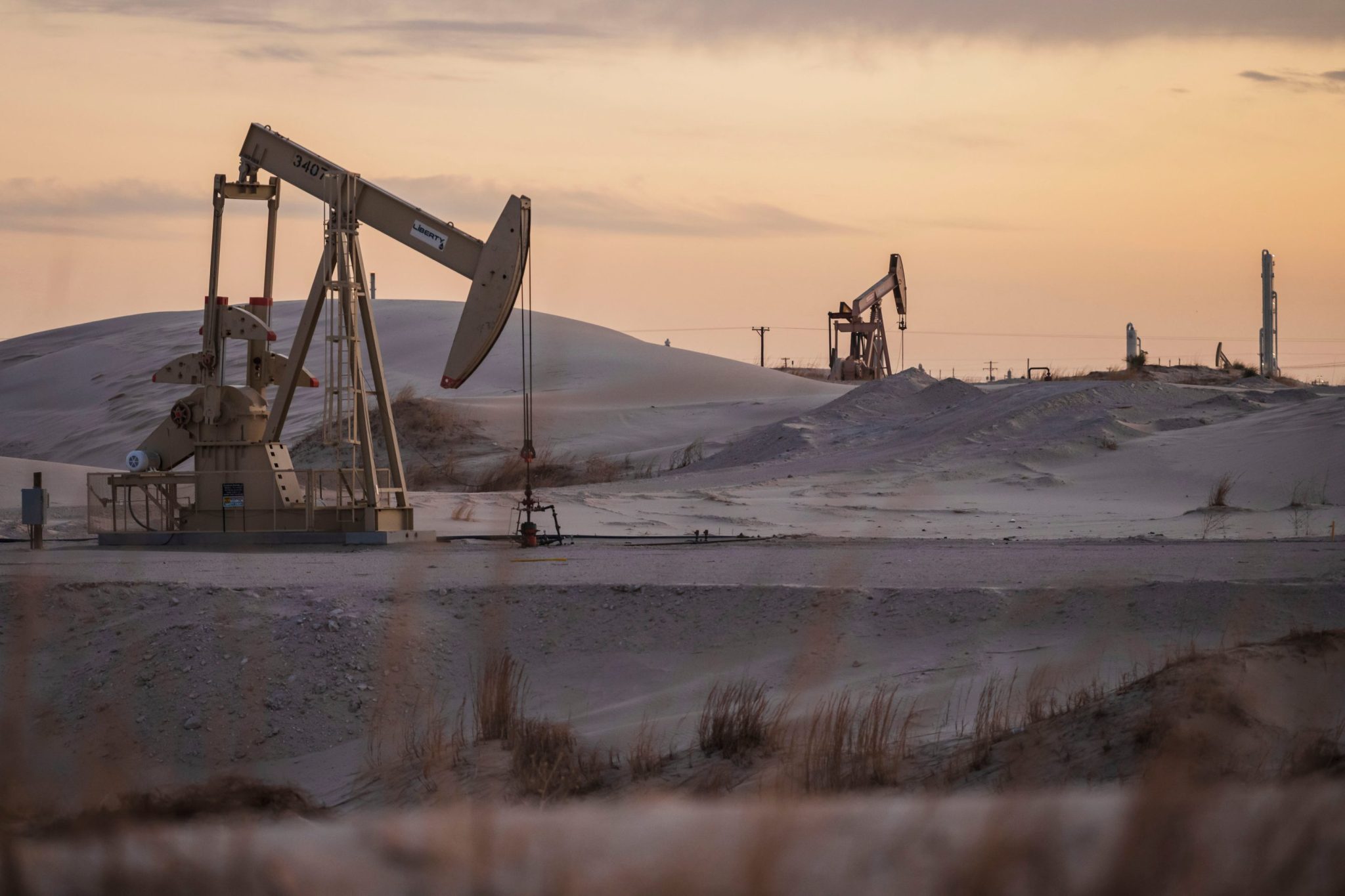
The Dallas Fed recently asked oil and gas executives in the Permian Basin about their plans for the future. The Permian Basin is the most productive oil field in the United States. The results showed that most companies have no plans to significantly increase how much oil they produce this year. Even though oil prices have stayed high for weeks, the number of active drilling rigs has actually gone down. This suggests that the companies do not believe the high prices will last long enough to justify the cost of new drilling.
Important Numbers and Facts
- 30% of oil executives expect no change in their production levels this year.
- 43% expect only a very small increase of up to 250,000 barrels per day.
- Only 1% of respondents believe U.S. production will grow by more than 1 million barrels.
- Oil prices started the year at $57 a barrel but hit a high of $111 during the war.
- The war in the Middle East has removed about 14.5 million barrels of oil per day from the global market.
Background and Context
The global oil market is currently in a state of shock because of the conflict involving Iran. The Persian Gulf is one of the most important areas for energy in the world. About 20% of the world's oil and natural gas passes through a narrow waterway called the Strait of Hormuz. Because of the war, this path has been mostly closed for over 40 days. This has stopped the flow of millions of barrels of oil that countries in Europe and Asia rely on every day. In the past, U.S. shale oil companies would step in to fill this kind of gap, but this time they are being much more careful with their money.
Public or Industry Reaction
Oil executives are expressing a lot of frustration with the current situation. Many believe that the "paper market"—where investors trade oil contracts on computers—is being manipulated. They say the prices on the screen do not match the reality of how hard it is to find and move actual physical oil. Some bosses also blamed the government for making it hard to plan for the future. They mentioned that unpredictable social media posts and changing trade policies make it impossible to create a solid business plan. One executive noted that the "unpredictable nature" of the current administration makes it too risky to spend millions of dollars on new projects.
What This Means Going Forward
The outlook for the next few months looks difficult. Energy experts say that countries are now using up their emergency oil reserves at a fast pace. Analysts at JPMorgan believe that by the end of May, these reserves will hit "operational minimums." This is the point where there is barely enough oil left to keep systems running. When this happens, oil prices could start to rise much faster than they have so far. Even if the war ends tomorrow, it will take months to fix the supply chain. Ports need time to reopen, and ships are currently in the wrong locations to help quickly. It could take up to four months for oil production to return to normal levels once the fighting stops.
Final Take
The world is waiting for American oil companies to help lower energy prices, but that help is not coming. Between the chaos of war and the confusion of the financial markets, U.S. producers are choosing to play it safe. This caution protects the companies' profits, but it leaves the rest of the world facing a major supply shortage. As reserves run dry, the true cost of this energy gap will likely be felt by everyone at the gas pump and in the price of everyday goods.
Frequently Asked Questions
Why aren't U.S. oil companies drilling more?
Companies are worried about price swings and political uncertainty. They do not want to spend a lot of money on new wells if they think the price of oil might suddenly drop again.
How has the war affected oil supplies?
The war has cut off about 57% of the oil that usually comes from the Persian Gulf. This is because the Strait of Hormuz, a key shipping route, has been closed for more than a month.
Will oil prices go up even more?
Many experts believe prices will rise sharply in late May. This is because global oil reserves are running very low, and it will take months to restart the supply chain even after the war ends.



