
Summary
Two United States Navy ships recently moved through the Strait of Hormuz to prepare for a mission to clear underwater explosives. This move is part of an effort to reopen a vital water path that has been mostly closed since a conflict began on February 28. The U.S. military aims to create a safe route for trade ships that carry oil and gas to the rest of the world. While the U.S. says the mission is moving forward, other reports suggest that Iranian forces tried to interfere with the ships during their journey.
Main Impact
The primary goal of this naval movement is to restore global trade. The Strait of Hormuz is one of the most important water passages on Earth. When it is blocked or dangerous, the flow of energy to many countries stops, which can cause prices to rise and create economic problems. By sending destroyers to clear mines, the U.S. is trying to signal to the world that it will protect the freedom of ships to move through international waters. However, the tension between the U.S. and Iran makes this a high-risk operation that could impact the ongoing peace talks.
Key Details
What Happened
On Saturday, the USS Frank E. Peterson and the USS Michael Murphy entered the Strait of Hormuz. These ships are Arleigh Burke-class destroyers, which are large, powerful vessels designed for many types of combat and protection. According to U.S. Central Command, these ships are the first part of a larger team. In the coming days, more forces will arrive, including specialized underwater drones. These drones are small, robotic machines that swim under the surface to find and identify mines without putting human divers in immediate danger.
Important Numbers and Facts
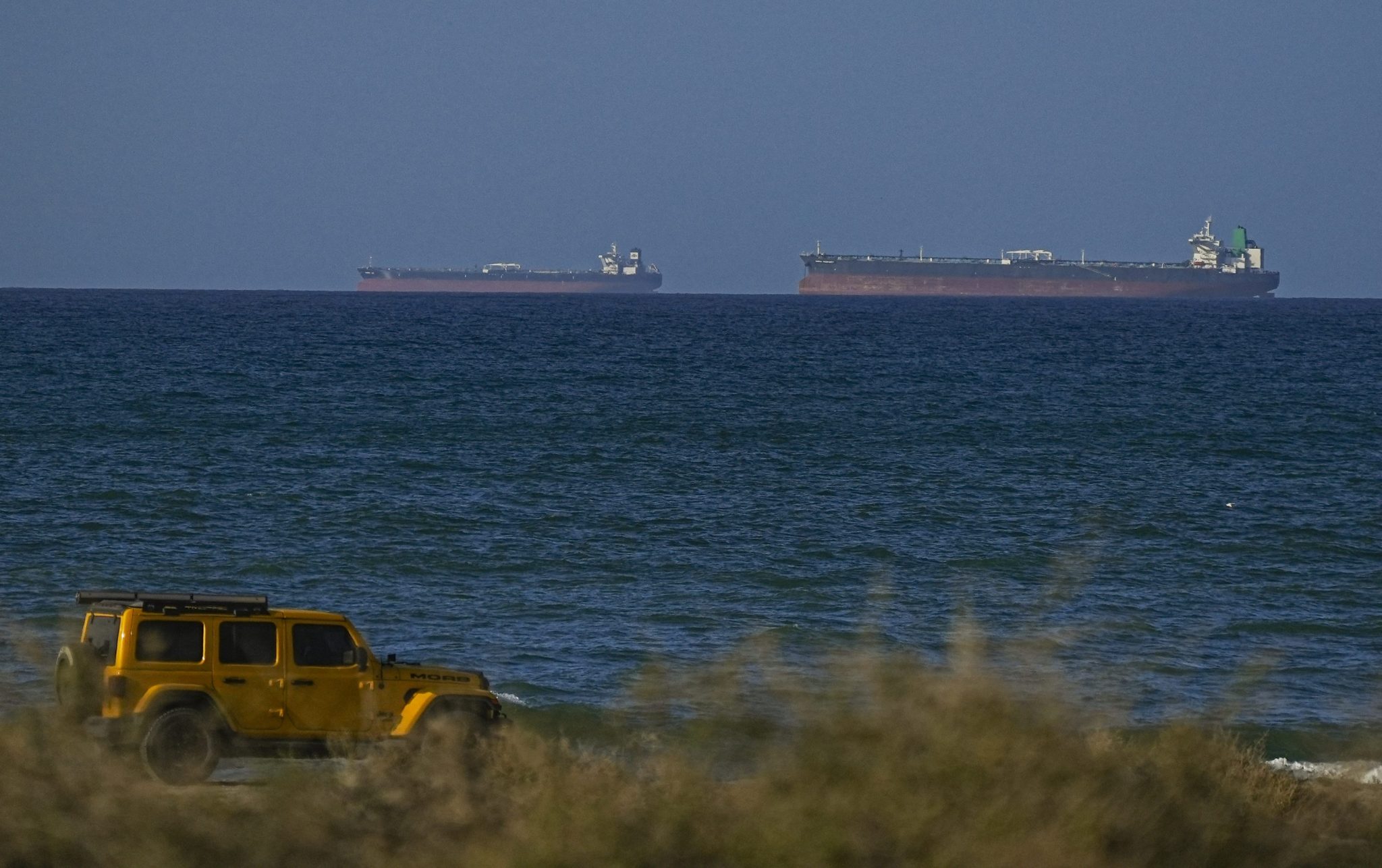
The timing and scale of this event are significant for several reasons. First, about 20% of the world’s oil and liquefied natural gas passes through this narrow strait. Since the war started on February 28, this flow has been interrupted. The U.S. Navy ships moved through the area around noon local time in Dubai. This happened while a two-week ceasefire was in place, a temporary break in the fighting that has now lasted for over a month. The U.S. is working to establish what they call a "new passage" to help commercial ships feel safe enough to return to the area.
Background and Context
To understand why this matters, it is helpful to look at the geography of the region. The Strait of Hormuz is a narrow stretch of water that connects the Persian Gulf to the open ocean. Because it is so narrow, it is easy for a country to block it or make it dangerous for others. Iran has claimed control over this area since the conflict began. They have been accused of attacking ships and placing mines—underwater bombs—in the path of trade vessels. These mines are a major threat because they are hard to see and can sink a large ship instantly. The U.S. Navy’s job is to find these bombs and remove them so that the "free flow of commerce" can continue.
Public or Industry Reaction
There are conflicting stories about what happened during the transit. U.S. officials stated that the ships successfully moved through the strait to begin their work. However, some intelligence reports and Iranian news sources tell a different story. They claim that Iran’s Islamic Revolutionary Guard Corps sent threats and launched a small, unmanned aircraft, or drone, toward the U.S. ships. These reports suggest the U.S. vessels were forced to turn back after being warned by Tehran. The U.S. military has not confirmed these reports of a confrontation, but the disagreement shows how tense the situation remains between the two nations.
What This Means Going Forward
The next few days will be critical for both the military and the diplomats. While the ships are facing off at sea, representatives from the U.S. and Iran are meeting in Islamabad, Pakistan. They are trying to negotiate a more permanent peace during the current ceasefire. If the U.S. successfully clears the mines and trade ships start moving again, it could help the global economy. However, if Iranian forces continue to challenge U.S. ships, the risk of a new fight breaking out increases. The success of the mine-clearing mission will depend on whether both sides can keep the peace while the work is being done.
Final Take
The move to clear the Strait of Hormuz is a bold step to protect global energy supplies. While the U.S. Navy is focused on the technical task of removing underwater threats, the political situation is much more complicated. The world is watching to see if these naval operations will lead to a safer ocean or if they will spark more conflict in an already unstable region. For now, the focus remains on the underwater drones and the destroyers as they try to open a path for the world's trade.
Frequently Asked Questions
What is the Strait of Hormuz?
It is a narrow and very important water passage in the Middle East. It connects the Persian Gulf with the Arabian Sea and is the main route for oil ships leaving the region.
What are underwater drones used for?
In this mission, the Navy uses them to find mines. These robots can scan the ocean floor and find explosives without risking the lives of sailors or divers.
Why is the U.S. Navy clearing mines?
The U.S. wants to make sure that trade ships can move safely. Since the war began in February, mines have made the water too dangerous for commercial vessels, which has hurt the global supply of oil and gas.



