Summary
United States military forces have boarded a tanker ship carrying oil from Iran as part of a strict new blockade. This action is the latest move in a growing effort to stop Iran from selling its oil on the global market. Since the blockade began, U.S. Central Command has stopped and checked 33 different vessels. At the same time, President Donald Trump has issued a direct warning to any ships caught trying to place mines in the water, stating that such vessels will face immediate military action.
Main Impact
The decision to board this ship shows that the U.S. is willing to use its military power to enforce trade rules. This blockade is designed to cut off the main source of money for the Iranian government. By stopping these ships, the U.S. hopes to limit Iran's ability to fund its military and regional activities. However, these actions also make the sea lanes in the Middle East more dangerous for all shipping companies. This tension often leads to higher prices for oil and gas around the world, which affects how much people pay at the pump.
Key Details
What Happened
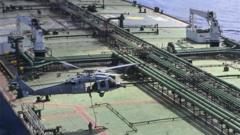
U.S. naval forces approached and boarded a large ship in international waters after identifying it as a vessel carrying Iranian crude oil. The operation was carried out smoothly, and the ship was taken under U.S. control. This boarding is part of a larger mission to monitor all sea traffic coming to and from Iran. The U.S. military is looking for any ships that are breaking international sanctions or carrying illegal cargo. This specific ship was targeted because it was suspected of trying to hide its origin to sell oil secretly.
Important Numbers and Facts
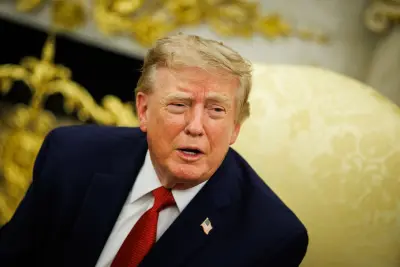
U.S. Central Command, which oversees military operations in the Middle East, confirmed that they have now intercepted 33 vessels since the blockade was first put in place. This high number shows how active the U.S. Navy has been in the region. The blockade covers several key waterways that are vital for global trade. President Trump’s recent comments specifically mentioned mine-laying vessels. He warned that any ship seen putting explosives in the water to damage other boats would be treated as a direct threat and could be destroyed by U.S. forces.
Background and Context
The U.S. and Iran have had a difficult relationship for many years. The U.S. government has placed many sanctions on Iran, which are rules that stop countries from trading with them. The goal of these sanctions is to force Iran to change its policies regarding nuclear energy and its support for various groups in the Middle East. Oil is Iran's most valuable export, so stopping oil ships is the most effective way to put pressure on their economy. A blockade is a serious military step where one country uses its navy to stop goods from entering or leaving another country. It is often seen as a step just below full-scale war.
Public or Industry Reaction
Leaders in the shipping industry are expressing concern about the safety of their crews and ships. Many companies are now worried that their vessels might get caught in the middle of a conflict. Some international leaders have called for both sides to stay calm to avoid a larger fight. Within the U.S., some people support the move, saying it is necessary for national security. Others worry that being so aggressive could lead to a new war that the country does not need. Oil market experts are watching the situation closely, as any major disruption in the Middle East usually causes oil prices to go up quickly.
What This Means Going Forward
In the coming weeks, we can expect to see even more U.S. ships patrolling the waters near Iran. The military will likely continue to stop and search any vessel that looks suspicious. If Iran tries to fight back by using its own navy or by placing mines in the water, the risk of a direct military battle will increase. The U.S. government has made it clear that they will not back down. This means that shipping companies may have to find new routes or pay more for insurance to travel through the area. The long-term goal is to reach a new agreement with Iran, but for now, the focus is on using force to stop their trade.
Final Take
The seizure of this oil ship and the threats against mine-laying vessels mark a major increase in pressure against Iran. By using the military to enforce a blockade, the U.S. is taking a very firm stand. While this may help achieve political goals, it also creates a very tense situation in one of the world's most important trade routes. The world will be watching to see if this strategy leads to a peaceful solution or more conflict in the region.
Frequently Asked Questions
Why is the U.S. stopping Iranian oil ships?
The U.S. is stopping these ships to enforce sanctions. The goal is to prevent Iran from making money from oil sales, which the U.S. says is used to fund military activities and regional instability.
What is a blockade?
A blockade is when a country uses its military, usually its navy, to stop people and goods from going into or coming out of a specific area or country. It is a way to put economic pressure on an opponent.
Will this make gas prices go up?
It is possible. When there is tension in the Middle East, especially near oil shipping lanes, the global price of oil often increases. This can lead to higher prices for gasoline at local stations.