Summary
The United States military stopped an Iranian cargo ship in the Strait of Hormuz this Sunday. This event has caused a sudden rise in tension between the two nations. It happened just two days before high-level peace talks were set to begin in Islamabad, Pakistan. The goal of those talks is to find a way to end the war that has been going on since late February. This latest move by the U.S. Navy shows how fragile the situation is right now.
Main Impact
The main impact of this event is the threat it poses to the upcoming peace meetings. Diplomats from both the United States and Iran were preparing to meet on Tuesday to discuss a peace plan. By stopping an Iranian ship now, the U.S. is sending a strong message of force. This could make the Iranian government pull out of the talks or take their own military action in return. It also puts the global oil market at risk, as many countries rely on this specific water route for their energy needs.
Key Details
What Happened
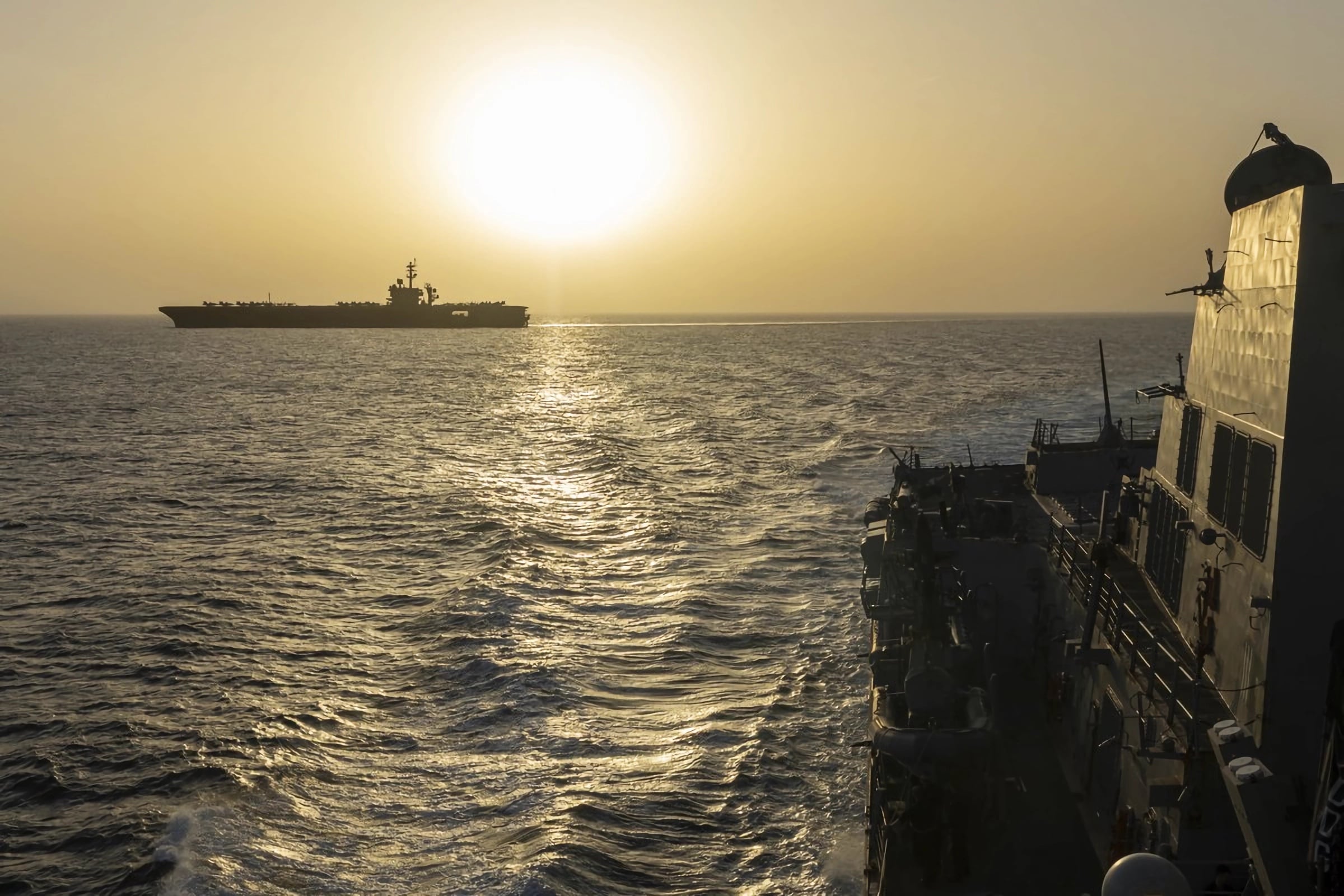
On Sunday, a cargo ship from Iran tried to sail through the Strait of Hormuz. This is a very narrow and important waterway. The United States Navy moved in to block and stop the ship. President Donald Trump confirmed the action shortly after it happened. The ship was reportedly trying to bypass a blockade that has been a major point of conflict for weeks. This move follows a recent decision by Iran to close the strait to all traffic until the U.S. stops its own economic restrictions.
Important Numbers and Facts
The current war between these two sides began on February 28, 2026. Since then, both countries have used military and economic tools against each other. The peace talks in Pakistan are scheduled for Tuesday, April 21. The Strait of Hormuz is vital because about one-fifth of the world's oil passes through it. If this path stays closed or becomes a battle zone, gas prices around the world could rise very quickly. President Trump has also stated that if Iran does not accept his peace plan, he might target all of Iran's power plants.
Background and Context
To understand why this matters, we have to look at the geography of the region. The Strait of Hormuz is a small gap of water that connects the Persian Gulf to the rest of the world. Because it is so narrow, it is easy for a navy to block it. Iran has used this as a tool to fight back against U.S. pressure. Recently, the U.S. has put a blockade on Iran, stopping them from selling goods to other countries. In response, Iran said they would close the strait. This "blockade for a blockade" has brought both nations to the edge of a much larger war. The conflict that started in February has already caused many problems for international trade and safety in the Middle East.
Public or Industry Reaction
The reaction from the international community has been one of deep concern. Many leaders are worried that a small mistake in the Strait of Hormuz could lead to a full-scale war. Oil companies are watching the situation closely, as any delay in shipping costs millions of dollars. In the United States, some people support the president's "tough" stance, while others fear it will lead to more violence. Iran has called the interception an act of aggression. They argue that they have the right to control their own waters and that the U.S. is interfering where it does not belong. Pakistan, the host of the upcoming talks, has urged both sides to stay calm so the meeting can still happen on Tuesday.
What This Means Going Forward
The next 48 hours are critical for the region. If the peace talks in Islamabad go ahead as planned, there is still a chance for a ceasefire. However, if Iran decides to retaliate for the ship being stopped, the talks might be canceled. The U.S. has made it clear that they will not back down from their blockade. At the same time, Iran is showing that they will continue to try and move their ships through the area. We may see more military ships from other countries entering the region to protect their own trade vessels. The risk of a direct fight between U.S. and Iranian forces is now higher than it has been in months.
Final Take
This interception is more than just a military move; it is a test of will between two powerful sides. While the world hopes for a peaceful solution in Pakistan this Tuesday, the actions on the water show that both sides are still ready to fight. The safety of global trade and the lives of many people depend on whether these two nations choose to talk or continue to use force in the coming days.
Frequently Asked Questions
Why is the Strait of Hormuz so important?
It is a narrow waterway that serves as the main path for oil ships leaving the Middle East. If it is blocked, the world's oil supply is cut off, causing prices to go up everywhere.
When did this conflict start?
The current war and high level of tension began on February 28, 2026. It has involved both military actions and economic blockades from both sides.
What are the Islamabad peace talks?
These are meetings scheduled for Tuesday in Pakistan. Diplomats from the U.S. and Iran are supposed to meet to try and find a way to stop the fighting and reach a peace agreement.