Summary
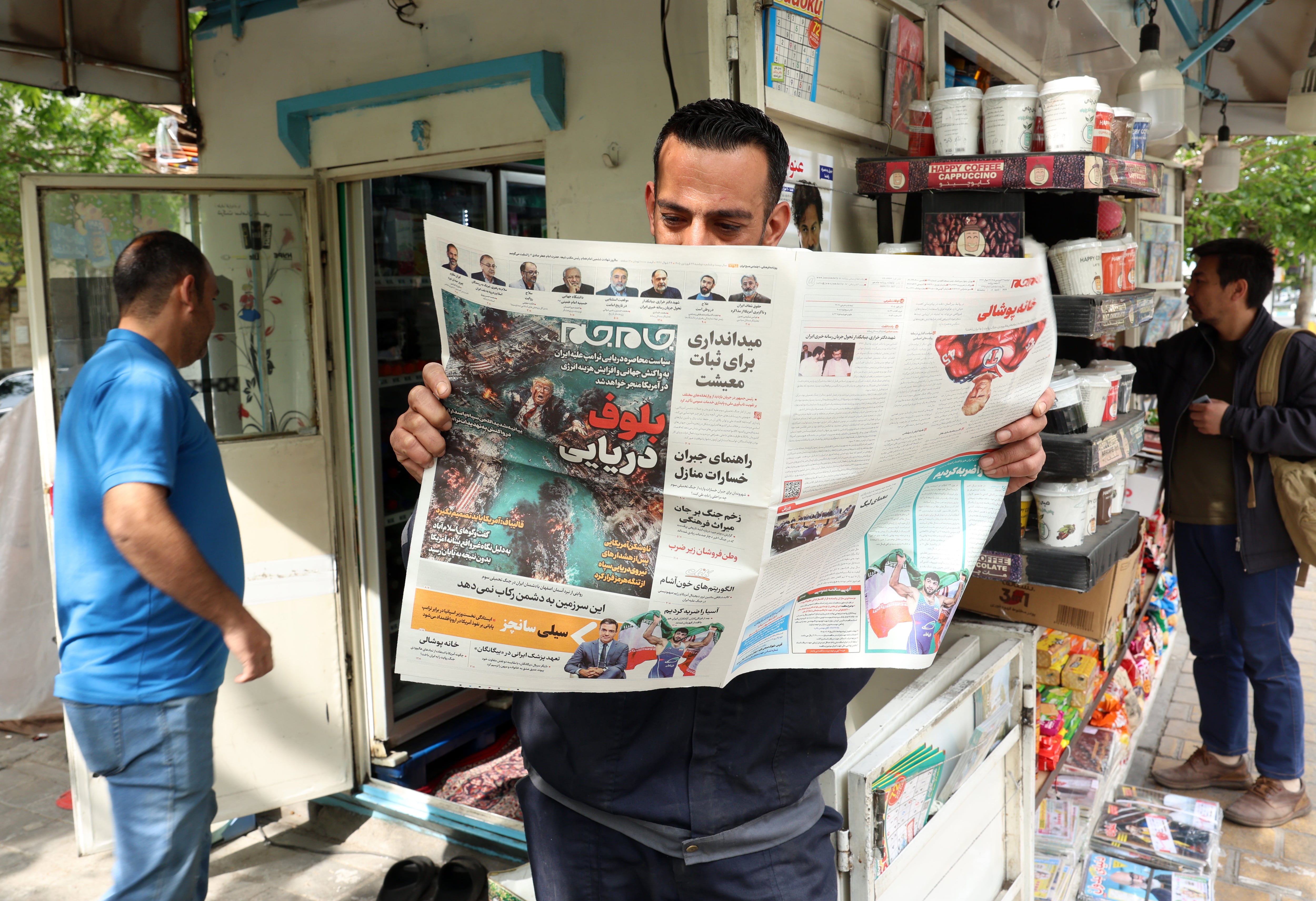
Tensions between the United States and Iran have reached a dangerous new level as a naval blockade begins in the Middle East. The U.S. military is moving to stop ships from reaching Iranian ports through the Strait of Hormuz, a vital water path for global oil. In response, Iran has warned that it will attack other ports in the region if its own trade is blocked. This standoff follows a break in diplomatic talks, leaving the world worried about a possible military conflict.
Main Impact
The most immediate impact of this situation is the threat to the global economy and regional safety. The Strait of Hormuz is one of the most important shipping lanes in the world. By starting a blockade, the U.S. is trying to cut off Iran’s ability to sell goods and receive supplies. Iran’s threat to make other ports "unsafe" suggests they might use missiles or naval mines to disrupt all shipping in the Persian Gulf. If this happens, oil prices could rise quickly, and many countries could be drawn into a larger war.
Key Details
What Happened
On Monday, the U.S. Central Command confirmed it would begin its own naval blockade of the Strait of Hormuz. This action started at 10:00 AM Washington time. The U.S. military stated that they will only allow ships to pass if they are traveling between ports that do not belong to Iran. This move comes after negotiations between the two countries stopped working. Iran’s military spokesperson, Lieutenant Colonel Ebrahim Zolfaqari, called the move "illegal" and compared it to piracy. He warned that if Iran cannot use its ports safely, no other port in the Gulf of Oman or the Persian Gulf will be safe either.
Important Numbers and Facts
The blockade is set to affect a massive amount of trade. About 20% of the world's total oil consumption passes through the Strait of Hormuz every day. The U.S. decision to start the blockade at 16:00 Spanish time marks a hard deadline for shipping companies to change their routes. While the U.S. is taking a firm stand, Pakistan is acting as a middleman. Pakistani officials noted that while the talks are currently at a "deadlock," they have not officially ended. They believe there is still a small chance to reach an agreement before full military action occurs.
Background and Context
To understand why this is happening, it is important to know what the Strait of Hormuz is. It is a narrow stretch of water that connects the Persian Gulf to the rest of the world's oceans. Because it is so narrow, it is easy for a powerful navy to block it. For years, the U.S. and Iran have argued over nuclear programs and regional power. The U.S. uses economic pressure to try to change Iran's behavior. A naval blockade is one of the strongest forms of pressure because it physically stops trade. Iran views this as an act of war and often responds by threatening to shut down the entire strait, which would hurt the global economy.
Public or Industry Reaction
The reaction from world leaders has been mixed. President Donald Trump told reporters that he is not worried about whether Iran comes back to the negotiation table. He stated that if they do not return, it is fine with him. This shows a very tough approach from the White House. On the other hand, Pakistan is trying to keep hope alive. Their government sources say that the talks are moving in the "right direction" despite the current pause. Shipping companies and oil markets are on high alert, as any sign of fighting in the water could lead to massive insurance costs for ships and higher gas prices for drivers around the world.
What This Means Going Forward
The next few days will be critical. If the U.S. Navy stops an Iranian ship by force, Iran may choose to retaliate against a neighboring country's port or a commercial tanker. This could lead to a cycle of violence that is hard to stop. There is also the risk of a mistake or a misunderstanding in the crowded waters of the Gulf. If a ship is fired upon, it could trigger a full-scale war involving not just the U.S. and Iran, but also Israel and other regional allies. Everyone is watching to see if the Pakistani mediators can get both sides to talk again before a major incident happens at sea.
Final Take
The situation in the Strait of Hormuz is a high-stakes game of pressure. The U.S. is using its naval power to squeeze Iran, while Iran is using the threat of regional chaos to push back. With diplomacy currently on hold, the risk of a military clash is higher than it has been in years. The safety of global energy supplies and the peace of the Middle East now depend on whether either side is willing to blink first or if a third party can find a way to break the deadlock.
Frequently Asked Questions
What is a naval blockade?
A naval blockade is when a country uses its warships to stop ships from entering or leaving a specific area or port. It is used to cut off trade and supplies to an enemy.
Why is the Strait of Hormuz so important?
It is a narrow waterway that serves as the main exit for oil coming from the Middle East. If it is closed or blocked, a large portion of the world's oil supply cannot reach international markets.
Is there still a chance for peace?
Yes. While the U.S. has started the blockade and Iran has made threats, mediators like Pakistan say that the talks are not over. They are currently stuck, but both sides could still choose to negotiate to avoid a war.