
Summary
The United States Navy is preparing to start a naval blockade in the Strait of Hormuz to stop Iran from exporting oil. This move comes after weekend peace talks between the two nations failed to reach an agreement. The news caused a sharp reaction in global markets, with stock prices falling and oil prices jumping significantly. By blocking these shipments, the U.S. aims to limit Iran’s income and regain control over one of the world’s most important water passages.
Main Impact
The decision to start a blockade has immediate effects on both the military situation and the global economy. For weeks, investors hoped for a ceasefire, which had helped stock prices stay steady. Now, the threat of a larger conflict has reversed those gains. The U.S. strategy is two-fold: it wants to stop Iran from selling its own oil while also making sure other countries can move their goods through the area safely. This shift from air strikes to naval action marks a new and potentially more dangerous phase of the conflict.
Key Details
What Happened
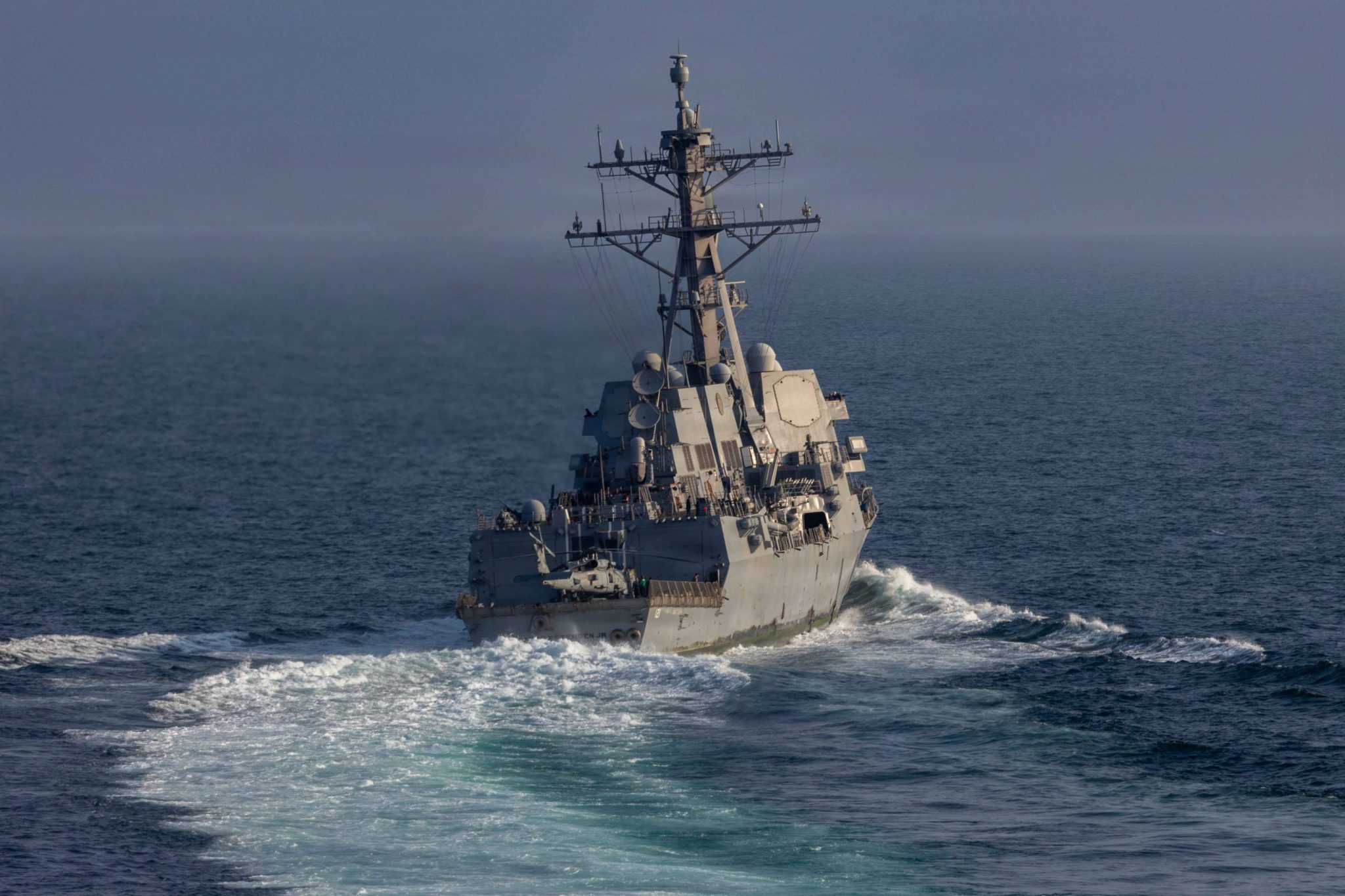
President Donald Trump announced the naval blockade following the collapse of diplomatic talks. The U.S. Central Command (CENTCOM) confirmed that the operation will begin on Monday at 10 am ET. The Navy has already sent two destroyers into the Strait of Hormuz to begin clearing underwater mines. These ships are also working to set up a "new passage" for commercial vessels. This is a major change because the U.S. Navy had previously avoided the area, calling it a high-risk zone filled with Iranian missiles and fast-attack boats.
Important Numbers and Facts
The financial markets reacted quickly to the news of the blockade. Stock futures for the Dow Jones Industrial Average dropped by 519 points, a decline of 1.08%. The S&P 500 and Nasdaq futures also saw losses of over 1%. Meanwhile, energy prices spiked as traders worried about a shortage of oil. U.S. oil futures rose by more than 8%, reaching $104.53 per barrel. Brent crude, the international standard, also climbed over 7% to top $102. Gold prices, often seen as a safe investment, actually fell by 2.28%, while the U.S. dollar gained strength against other major currencies like the euro and the yen.
Background and Context
The Strait of Hormuz is a narrow stretch of water that connects the Persian Gulf to the rest of the world. It is one of the most vital shipping lanes on the planet because a large portion of the world's oil passes through it every day. For a long time, Iran has used its position near the strait to influence global politics. Recently, Iran has been accused of using drones and missiles to stop other countries from shipping oil while continuing to sell its own. By doing this, Iran kept oil prices high and maintained a strong grip on the region's economy. The U.S. blockade is designed to break this control by treating all ships going to or from Iranian ports the same way.
Public or Industry Reaction
Iran’s military forces, specifically the Islamic Revolutionary Guard Corps (IRGC), have reacted with anger. They have already challenged U.S. warships in the area and warned them to leave. Reports indicate that Iran launched a drone toward U.S. ships, but it was quickly destroyed. The IRGC has issued a formal warning, stating they will provide a "strong and forceful response" to any foreign military ships that get too close to their waters. On the other hand, some maritime experts believe the U.S. move is necessary. They argue that commercial shipping companies have been waiting for the U.S. to prove the strait is safe before they start moving cargo through the area again.
What This Means Going Forward
The next few days will be a major test for the U.S. Navy and the global economy. If the Navy can successfully create a safe path through the strait, Iran will lose its biggest piece of leverage in the war. However, there is a high risk of direct combat between U.S. and Iranian ships. If the blockade leads to a full-scale naval battle, oil prices could go even higher, which would make gasoline and other goods more expensive for people everywhere. Investors will be watching closely to see if the blockade is "impartial," meaning it stops ships from all nations that try to trade with Iran.
Final Take
The move to block the Strait of Hormuz is a high-stakes gamble by the U.S. government. It moves the conflict from the sky to the sea and directly targets the money Iran earns from oil. While this could eventually lead to a more open shipping lane for the rest of the world, the immediate result is a nervous global market and a much higher risk of a direct military fight. The world is now waiting to see if the U.S. can truly break Iran's hold on this vital waterway without starting a much larger war.
Frequently Asked Questions
Why is the Strait of Hormuz so important?
It is a narrow waterway where a huge amount of the world's oil supply is shipped. If it is blocked or becomes too dangerous, global oil prices usually go up very quickly.
What is a naval blockade?
A naval blockade is when a country uses its warships to stop other ships from entering or leaving a specific area or port. In this case, the U.S. is stopping ships from going to or from Iran.
How did the stock market react to this news?
Stock markets fell because investors are worried about the war getting worse. When there is uncertainty or a threat of higher energy costs, people often sell their stocks, which causes prices to drop.



