
Summary
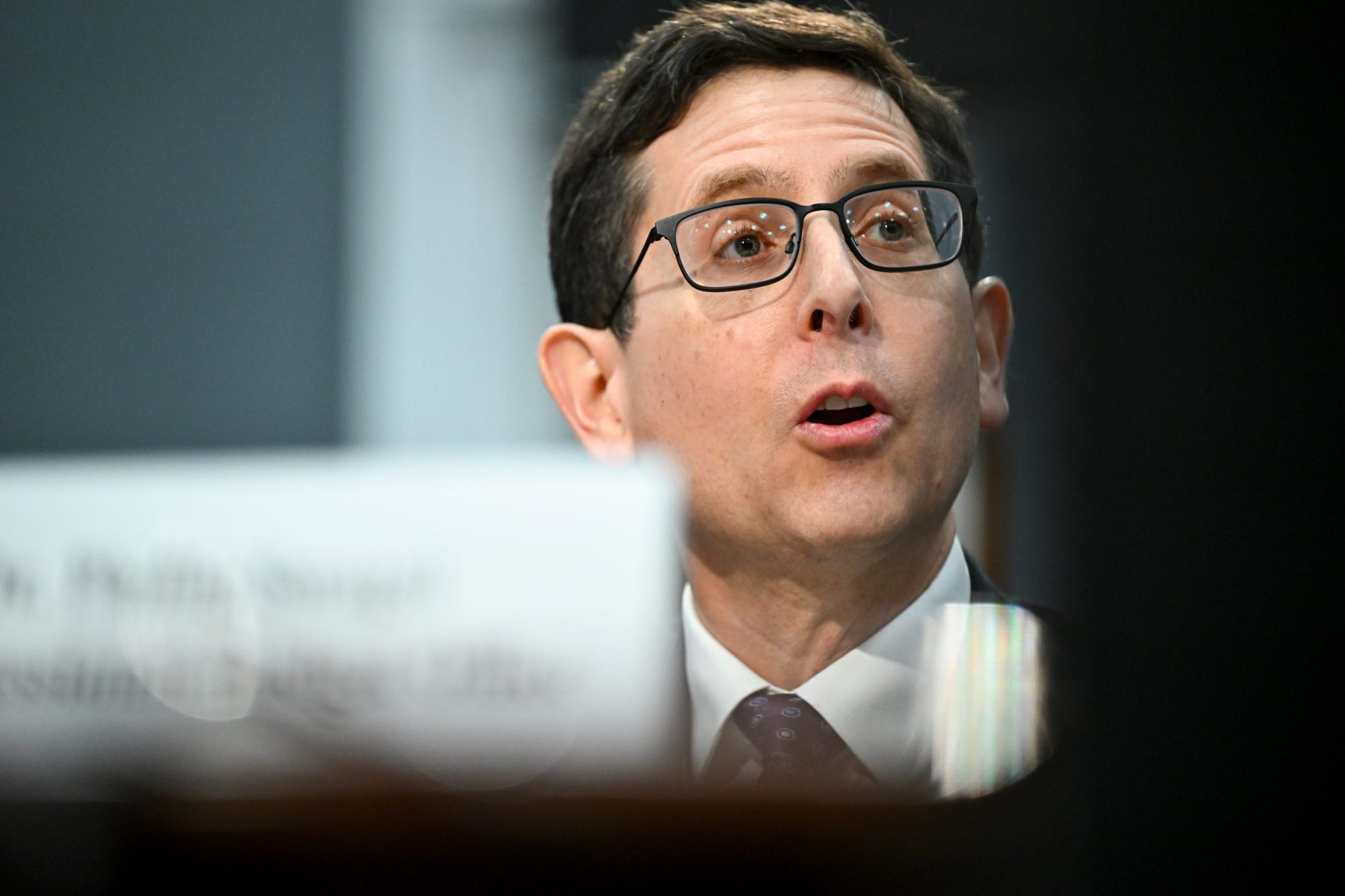
Dr. Phillip Swagel, the director of the Congressional Budget Office (CBO), says he is optimistic that the United States can avoid a major financial crisis. Even though the national debt is rising quickly, Swagel believes the country has a history of solving big problems just in time. He points to past events like the 2008 financial crisis as proof that the U.S. can recover from difficult situations. His positive outlook comes at a time when many other experts are warning that the current level of government spending is dangerous.
Main Impact
The U.S. national debt has now climbed above $39 trillion. This high level of debt means the government must pay a massive amount of money just in interest. Currently, those interest payments have reached more than $1 trillion every year. While these numbers sound scary, Swagel’s optimism suggests that a total economic collapse is not certain. If the government takes steps to manage its budget soon, it could lead to lower interest rates and a healthier economy for everyone. However, if leaders wait too long, the cost of fixing the problem will only go up.
Key Details
What Happened
The CBO is a group that provides neutral, math-based reports to Congress. Usually, their reports show a dark future for the U.S. budget. However, in a recent interview, Swagel shared a more hopeful view. He explained that his confidence is based on his experience working at the Treasury Department during past economic crashes. He believes that while members of Congress often argue in public, they are smart enough to act when a real crisis arrives. He also noted that investors are still willing to buy U.S. debt, which shows they still have faith in the American economy.
Important Numbers and Facts
The scale of the U.S. debt is hard to imagine. Here are the latest figures from the CBO:
- Total public debt is currently over $39 trillion.
- The government pays about $1 trillion a year in interest alone.
- This breaks down to roughly $88 billion in interest every month, or $22 billion every week.
- The U.S. paid $530 billion in interest between October 2025 and March 2026.
- Key programs like Social Security and Medicare could run out of full funding within the next six years.
Background and Context
The national debt is the total amount of money the U.S. government has borrowed over many years. When the government spends more money than it collects from taxes, it creates a deficit. To cover this gap, it borrows money by selling bonds to investors. For a long time, this was not seen as a huge problem because interest rates were low. Now, interest rates have gone up, making it much more expensive for the government to carry this debt. Experts often look at the "debt-to-GDP ratio," which compares what the country owes to what it produces. Right now, that ratio is around 122%, meaning the debt is larger than the entire yearly output of the U.S. economy.
Public or Industry Reaction
Not everyone shares Swagel’s positive view. Many famous business leaders and economists are very worried. Jamie Dimon, the head of JPMorgan Chase, and Jerome Powell, the leader of the Federal Reserve, have both called the debt path "unsustainable." Elon Musk has even supported a plan that would punish members of Congress if they don't keep the deficit under control. Michael Peterson, who runs a group focused on fiscal health, argues that the U.S. cannot simply grow its way out of this problem anymore. He believes the debt is so large that it is actually slowing down the economy, creating a cycle that is hard to break.
What This Means Going Forward
The next few years will be a major test for the U.S. government. Swagel compares the CBO’s role to providing a giant menu, similar to what you might see at a large restaurant. The CBO gives Congress a long list of options to cut spending or raise money. Lawmakers can choose which "dishes" they want to pick to fix the budget. Swagel believes they will eventually make these choices because they have to. If they do, the reward will be a more stable economy. If they continue to delay, the "bill" for the debt will keep growing, making future choices much more painful for taxpayers.
Final Take
It is rare to hear the person in charge of the nation's budget data speak with such hope. While the $39 trillion debt is a massive burden, Swagel reminds us that the U.S. has faced "impossible" odds before and won. The real question is not whether the U.S. can fix its budget, but whether the political will exists to do it before the clock runs out on programs like Social Security. For now, the markets are betting that America will find a way, but that trust won't last forever if action isn't taken soon.
Frequently Asked Questions
Why is the U.S. national debt so high?
The debt is high because the government has spent more money than it has collected in taxes for many years. This spending includes things like social programs, military costs, and emergency aid during events like the COVID-19 pandemic.
What happens if the U.S. cannot pay its debt?
If the U.S. could not pay its debt, it would cause a global financial crisis. Interest rates would likely skyrocket, the value of the dollar would drop, and it would become much harder for the government to fund basic services.
How can the government reduce the debt?
The government can reduce debt by cutting spending, increasing tax revenue, or growing the economy faster. Most experts believe a combination of these steps will be necessary to make the debt manageable in the long run.



