
Summary
United States Marines have taken control of an Iranian cargo ship near the Strait of Hormuz. President Donald Trump confirmed the seizure on Sunday, stating that the ship tried to bypass a naval blockade. The U.S. Navy had to damage the ship’s engine room to stop it from moving. This event marks the first time a vessel has been forcibly stopped since the U.S. began blocking Iranian ports last week. This action comes at a very tense time, as both countries were supposed to start new peace talks in Pakistan.
Main Impact
The seizure of the ship, named the Touska, has immediate effects on global safety and diplomacy. It shows that the U.S. is willing to use force to keep its blockade in place. This move has put a planned meeting between U.S. and Iranian officials in doubt. If these talks do not happen, a current ceasefire might end by Wednesday. This could lead to more fighting and make the global energy crisis even worse, as the area is vital for the world's oil supply.
Key Details
What Happened
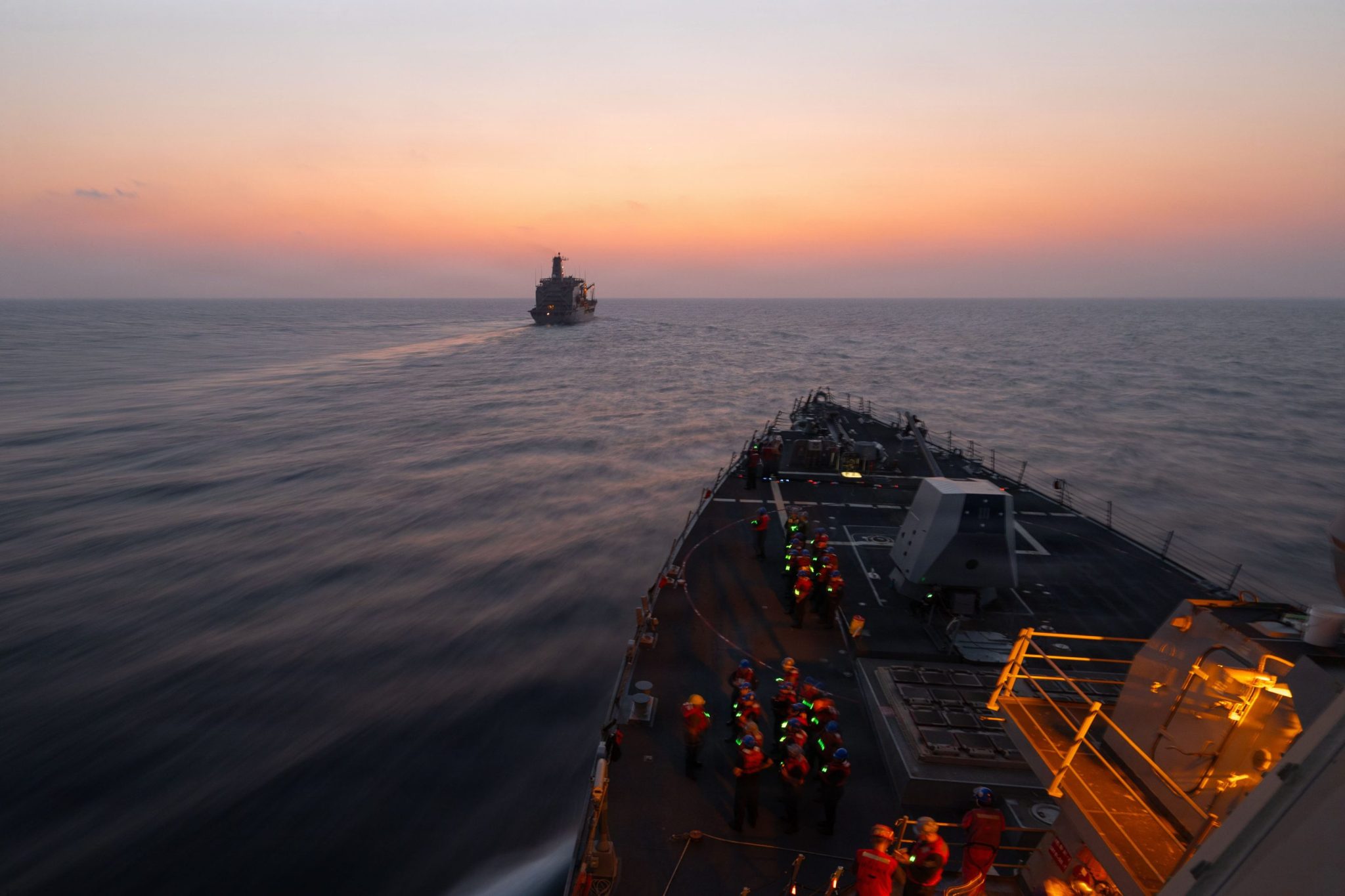
The incident took place in the Gulf of Oman. A U.S. Navy guided-missile destroyer spotted the Iranian-flagged ship and ordered it to stop. When the ship ignored the warning and tried to keep going, the Navy fired at its engine room. The damage stopped the ship, allowing U.S. Marines to board and take custody of the vessel. President Trump shared the news on social media, noting that troops are currently checking the ship's cargo to see what it was carrying.
Important Numbers and Facts
The conflict between the U.S., Israel, and Iran has been going on for eight weeks. During this time, the human cost has been high. At least 3,000 people have died in Iran, and more than 2,290 have died in Lebanon. On the U.S. side, 13 service members have lost their lives in the region. Economically, the stakes are just as high. About 20% of the world’s oil passes through the Strait of Hormuz. Because of the blockade and threats, hundreds of ships are currently stuck at both ends of the waterway, unable to move their goods.
Background and Context
The Strait of Hormuz is a narrow path of water that connects oil-rich countries to the rest of the world. It is one of the most important places for global trade. If ships cannot pass through it, prices for gas and oil go up everywhere. The U.S. and Israel began a war with Iran in late February because of concerns over Iran’s nuclear program. Since then, the U.S. has used a blockade to stop money from flowing into Iran. In return, Iran has tried to control who can use the Strait. This "tug-of-war" over the water has caused a massive energy crisis and a shortage of items like fertilizer and food supplies for poor nations.
Public or Industry Reaction
The reaction to the ship seizure has been mixed and tense. Iran’s government has not officially commented on the loss of the Touska yet, but they previously called the U.S. blockade an "act of aggression." Other countries are also getting caught in the middle. For example, India recently complained to Iran after Iranian forces fired on two Indian ships. Meanwhile, Pakistan is trying to act as a middleman. They have been hosting talks to help the U.S. and Iran find a way to stop the fighting. However, with the latest news of the ship being seized, many wonder if Iran will even show up for the next round of meetings.
What This Means Going Forward
The next few days are critical. Vice President JD Vance is expected to lead a U.S. team to Pakistan for talks. The goal is to extend a ceasefire that is about to run out. If the talks fail, President Trump has threatened to destroy Iran’s power plants and bridges. Iran has also stated it will not give up its stock of enriched uranium, which the U.S. wants. If neither side moves, the blockade will stay, and the risk of a much larger war will grow. This would keep oil prices high and keep the global economy in a difficult spot.
Final Take
The use of force to stop the Touska shows that the U.S. is taking a very hard line against Iran. While this might prove the strength of the blockade, it also makes a peaceful solution much harder to reach. The world is now watching to see if diplomacy can survive this latest clash or if the region will fall deeper into a full-scale war.
Frequently Asked Questions
Why did the U.S. Navy fire on the Iranian ship?
The Navy fired on the ship's engine room because the vessel refused to follow orders to stop. The goal was to disable the ship so Marines could board it and enforce the naval blockade.
What is the Strait of Hormuz and why is it important?
It is a narrow waterway that is essential for global trade. About one-fifth of the world's oil and large amounts of natural gas and fertilizer pass through it every day.
What happens if the peace talks in Pakistan fail?
If the talks fail, the current ceasefire will likely end on Wednesday. This could lead to more military strikes, higher energy prices, and a possible expansion of the war in the Middle East.



