
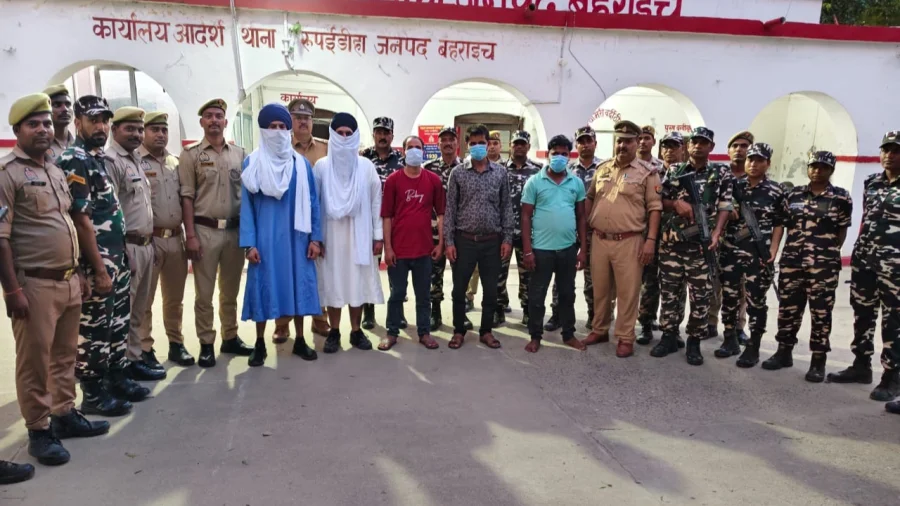
A US national, believed to be a Khalistani terror suspect, was detained by Indian security agencies while attempting to cross into India from Nepal. The arrest, which took place at a border checkpoint, has triggered a detailed investigation into the individual's background, travel history, and possible links to extremist networks.
How the Arrest Unfolded at the Border
According to initial reports, the suspect was intercepted during routine checks at a designated entry point along the Nepal-India border. Officials grew suspicious after verifying his documents and cross-referencing his identity with intelligence inputs. He was taken into custody for questioning.
Why This Arrest Matters for National Security
The detention of a US national with alleged Khalistani ties raises serious concerns about foreign nationals exploiting porous border routes to enter India. It also signals that security agencies remain alert to threats from pro-Khalistan elements, even those holding Western passports.
Background: Khalistani Extremism and Cross-Border Threats
Khalistani separatist movements have historically sought to carve out a separate Sikh state in Punjab. While active militancy has declined, intelligence agencies have repeatedly warned about sleeper cells and foreign-based sympathizers attempting to revive networks. This arrest fits a pattern of increased vigilance against such elements.
Who Is Affected by This Development
Residents in border states like Uttar Pradesh and Bihar, as well as security personnel, are directly impacted. The case also affects US-India counter-terror cooperation, as the suspect holds American citizenship. The broader Indian public may feel reassured by the swift action but concerned about the persistence of such threats.
Official Response and Investigation Status
As of now, no official statement has been released by Indian security agencies or the US embassy. Sources indicate that the suspect is being interrogated to uncover his network, purpose of travel, and any planned activities. The investigation is in its early stages.
What the Arrest Reveals About Border Security Gaps
The incident highlights vulnerabilities at the Nepal-India border, which is often used by individuals seeking to avoid stricter airport checks. While security has been tightened in recent years, this case shows that determined suspects can still attempt entry via land routes.
Confirmed Facts vs What Remains Unclear
Confirmed: A US national with alleged Khalistani links was detained at the Nepal-India border. Unclear: His specific affiliations, whether he had accomplices, and the exact charges he may face. All details beyond the arrest are based on preliminary reports and are subject to verification.
Risks and Balanced View
While the arrest is a positive sign of security vigilance, there are risks of overreach or misidentification. The suspect is presumed innocent until proven guilty. Critics may also question the effectiveness of border screening if a US national with a known terror link could approach the border undetected.
Wider Trend: Foreign Nationals in Terror Probes
This case is part of a broader trend where individuals from Western countries, including the US, Canada, and the UK, have been linked to Khalistani or other extremist activities. Intelligence agencies globally are increasingly sharing data to track such cross-border movements.
Practical Guidance for Readers
For those living near border areas, staying alert and reporting suspicious activity to local authorities is advised. Travelers crossing from Nepal should ensure their documents are in order and be prepared for enhanced checks. The public should rely on official updates rather than unverified claims.
Future Outlook: What Happens Next
The suspect will likely face prolonged interrogation and possible legal proceedings under India's anti-terror laws. Diplomatic channels between India and the US may be activated. The case could also lead to a review of border security protocols at Nepal-India entry points.
Our Take
This arrest is a reminder that the threat of Khalistani extremism, though diminished, has not disappeared. The fact that a US national was involved underscores the global nature of such networks. While the investigation must proceed transparently, the swift action by security agencies deserves credit. However, the case also raises questions about how a suspect with known links could travel internationally without earlier detection.
Frequently Asked Questions
Who is the US national arrested at the Nepal-India border?
He is a US citizen suspected of having links to Khalistani terror groups. His identity has not been officially disclosed yet.
Why was he arrested?
He was detained during a security check while entering India from Nepal, based on intelligence inputs linking him to pro-Khalistan extremist activities.
What charges could he face?
He may face charges under India's Unlawful Activities (Prevention) Act (UAPA) or other anti-terror laws, depending on the investigation findings.
How does this affect US-India relations?
The case may prompt closer counter-terror cooperation between the two countries, though it also highlights the need for better intelligence sharing on foreign nationals with extremist ties.



