Summary
Tensions between Iran and the United States have reached a critical point as both nations struggle to find a path toward peace. Iranian President Masud Pezeshkian recently criticized the U.S. government for sending mixed messages regarding upcoming diplomatic talks. While Pakistan is working hard to act as a middleman, a recent military incident at sea has put the entire negotiation process at risk. This situation is further complicated by new military warnings from Israel in southern Lebanon.
Main Impact
The primary impact of these developments is the extreme uncertainty surrounding regional stability. On one hand, there is a clear push for diplomacy, with high-level officials from the United States traveling to Pakistan to meet. On the other hand, military actions, such as the seizure of an Iranian ship, suggest that the threat of a larger war is still very real. This "push and pull" between peace talks and military force makes it difficult for global markets and neighboring countries to predict what will happen next.
Key Details
What Happened
President Pezeshkian spoke out on social media, stating that Iran will not give in to pressure or threats. He accused the U.S. of saying they want peace while taking actions that suggest otherwise. At the same time, reports confirmed that the U.S. military stopped an Iranian ship in the Strait of Hormuz. This area is a vital water route for the world's oil supply, and any conflict there usually leads to higher energy prices and global concern.
Important Numbers and Facts
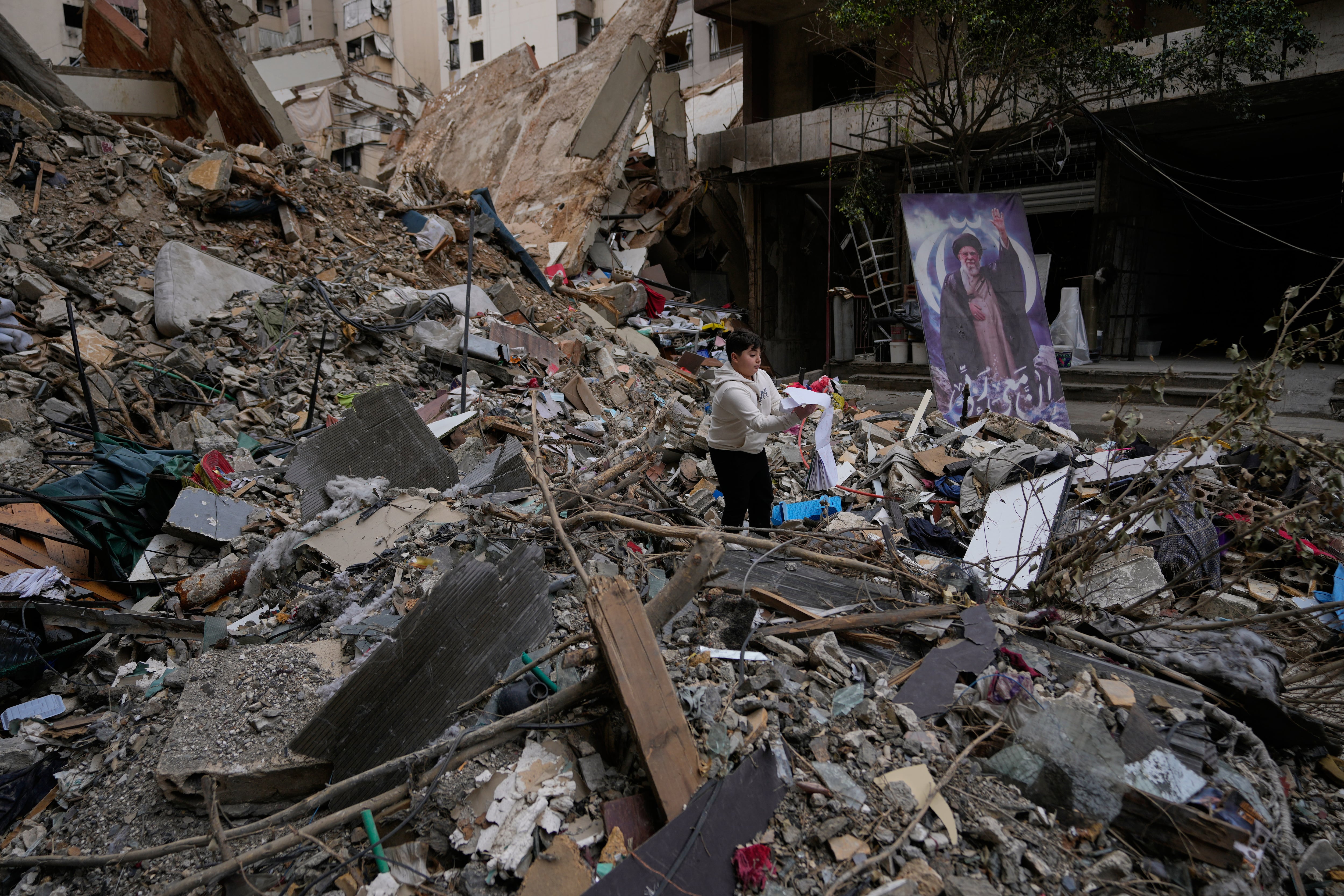
The U.S. delegation, which includes Vice President J.D. Vance, is expected to arrive in Islamabad, Pakistan, to begin a second round of talks. These meetings are scheduled for Tuesday, though the exact timing has been reported differently by various news outlets. Meanwhile, the Israeli military has issued a strict warning to people in South Lebanon. They told residents not to move south of a specific line or go near the Litani River, which is about 18 miles from the border. This suggests that military operations in that area may increase soon.
Background and Context
The relationship between the U.S., Israel, and Iran has been poor for many years. The current conflict involves several issues, including Iran's nuclear program and its support for groups in Lebanon and Gaza. Pakistan has stepped in as a mediator because it has a unique position in the region and wants to prevent a full-scale war that could affect its own borders. The Strait of Hormuz is another key factor. Because so much of the world's oil passes through this narrow strip of water, any time a ship is intercepted, it causes immediate panic in the global economy.
Public or Industry Reaction
The international community is watching the situation in Pakistan very closely. Many political experts believe that if the U.S. and Iran can sit in the same room, it would be a major victory for diplomacy. However, critics argue that the ship interception shows that neither side truly trusts the other. In Israel, the military warnings have caused fear among civilians in Lebanon, who are worried about a new wave of fighting. Business leaders are also concerned about the safety of shipping routes, as any further trouble at sea could lead to a spike in gas prices worldwide.
What This Means Going Forward
The next few days will determine if the region moves toward peace or deeper into conflict. If the talks in Islamabad proceed despite the ship incident, it will show that both governments are desperate to avoid a larger war. However, if Iran refuses to participate because of the naval blockade, the situation could quickly get worse. We should also watch the Litani River area in Lebanon. If Israel moves more troops into that zone, it could trigger a response from Iran's allies, making the diplomatic efforts in Pakistan much harder to finish.
Final Take
The world is seeing a dangerous game of high-stakes diplomacy. While leaders use strong words and military force to show power, the real work is happening behind closed doors in Pakistan. The success of these talks depends on whether both sides can move past recent insults and focus on a long-term solution. Without a clear agreement, the risk of a major regional conflict remains high.
Frequently Asked Questions
Why is Pakistan involved in the talks?
Pakistan is acting as a mediator to help the U.S. and Iran communicate. They want to help end the U.S. blockade and bring both sides to the table to prevent a larger war in the region.
What happened in the Strait of Hormuz?
The U.S. military intercepted an Iranian ship in this narrow waterway. This incident has caused a lot of anger in Iran and has made the upcoming peace negotiations much more difficult.
What is the Litani River warning?
The Israeli military warned people in South Lebanon to stay away from the Litani River and not to travel further south. This is often a sign that military activity or a new phase of a conflict is about to begin in that specific area.