
Summary
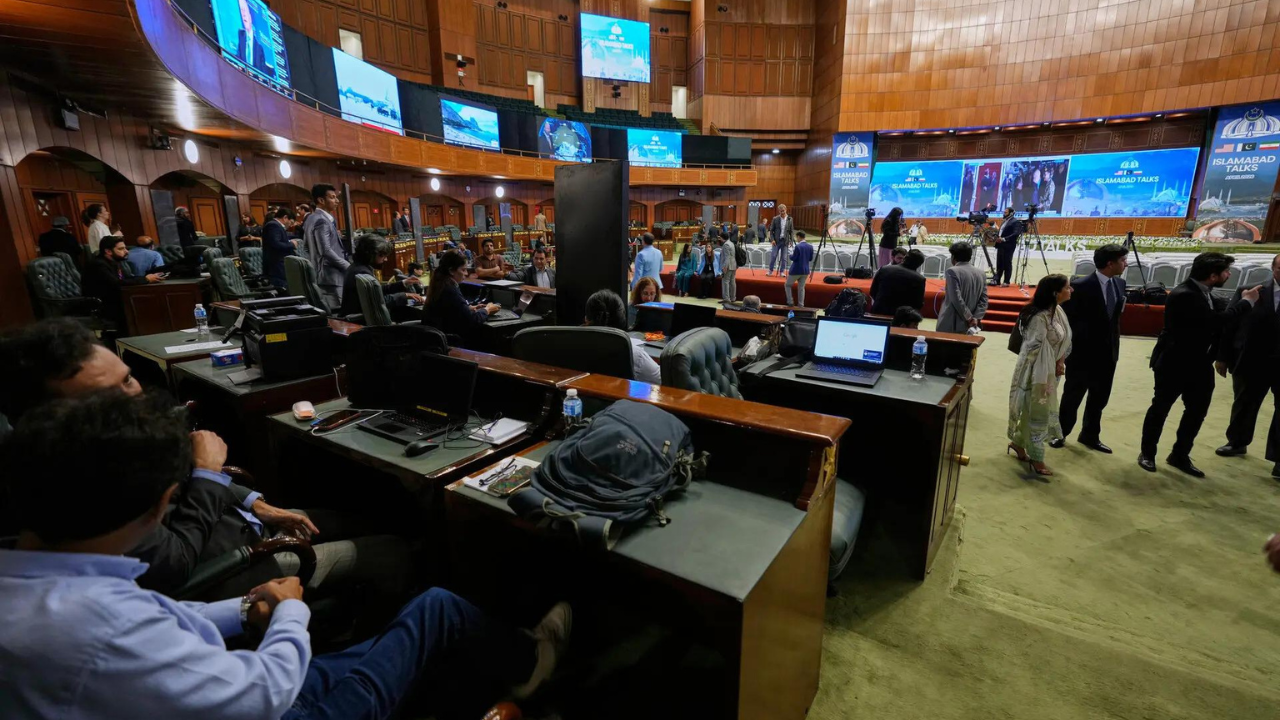
High-level officials from the United States and Iran have started direct talks in Pakistan to discuss peace and regional stability. This meeting follows a weak ceasefire that has struggled to hold in recent weeks. US Vice President JD Vance and Iran’s Parliament Speaker Mohammad Bagher Qalibaf are leading the discussions. The goal is to find a way to end the violence and address the heavy costs of the recent conflict.
Main Impact
The start of these direct talks is a major shift in how the United States and Iran deal with each other. For a long time, these two nations have avoided face-to-face meetings, often using other countries to pass messages. By sitting in the same room, both sides are showing that they want to prevent a much larger war. If these talks succeed, it could lead to a more stable Middle East and help stop the cycle of attacks that have hurt many people in the region.
Key Details
What Happened
The meeting took place on Saturday in Pakistan, which is acting as a neutral host for both sides. The talks began shortly after a ceasefire was put in place to stop active fighting. During the meeting, Vice President JD Vance spoke with Mohammad Bagher Qalibaf about ways to make the peace last longer. While they talked, other regional powers were also present to help guide the conversation. These countries are working together to make sure both the US and Iran stay at the table, even though there is a lot of history and distrust between them.
Important Numbers and Facts
Several key countries are involved in making these talks happen. China, Egypt, Saudi Arabia, and Qatar have all sent representatives to Pakistan. One of the biggest topics on the table is how to pay for the damage caused by the war. This involves large sums of money and complex agreements on who is responsible for the destruction. The talks are happening while military actions from Israel continue to affect the region, making the timing of these discussions very sensitive and urgent.
Background and Context
The relationship between the United States and Iran has been very difficult for many years. They have disagreed on many things, including nuclear energy, regional influence, and military actions. Recently, the situation became much worse, leading to direct threats and violence. A ceasefire was eventually reached to give both sides a chance to talk, but it is not a permanent solution. This meeting in Pakistan is the first major attempt to turn that temporary stop in fighting into a long-term plan for peace. Without these talks, there is a high risk that the fighting could start again and spread to other countries.
Public or Industry Reaction
The world is watching these talks very closely. Global markets, especially those dealing with oil and energy, are sensitive to any news coming out of the meeting. Many leaders in the Middle East have expressed hope that these discussions will work, as they want to avoid a war that would hurt their own economies. However, some people remain skeptical. They worry that the deep distrust between the two nations will make it impossible to reach a real agreement. Human rights groups and international organizations are also following the news, hoping for a deal that will protect civilians and provide help to those who have lost their homes and livelihoods.
What This Means Going Forward
The next few days will be very important for the future of the region. If the US and Iran can agree on how to handle war damages and security, the ceasefire might become a lasting peace. However, there are many risks. If either side feels the other is not being honest, the talks could fall apart quickly. We can expect to see more meetings involving the partner countries like China and Saudi Arabia, as they have a big interest in keeping the peace. The main challenge will be finding a way to build trust where there has been none for a very long time. If they fail, the region could face even more violence and economic trouble.
Final Take
This meeting is a rare and important chance for diplomacy to work. While the problems between the US and Iran are deep, the fact that they are talking directly is a positive sign. The success of these talks depends on whether both sides are willing to make hard choices for the sake of peace. The world is waiting to see if this will be the start of a new chapter or just a short break in a long conflict.
Frequently Asked Questions
Why are the talks happening in Pakistan?
Pakistan is acting as a neutral host that has relationships with both the United States and Iran. This makes it a safe place for both sides to meet and talk without being on each other's home soil.
What is the main goal of these discussions?
The main goal is to strengthen the current ceasefire and find a way to stop the violence permanently. They are also discussing how to pay for the damage caused by the recent war.
Which other countries are helping with the talks?
China, Egypt, Saudi Arabia, and Qatar are all participating. These countries are helping to facilitate the conversation and are pushing for a peaceful resolution to protect regional stability.

