Summary
The joint military offensive by the United States and Israel against Iran has reached its fifteenth day, marking a significant escalation in Middle Eastern tensions. Recent actions include a major U.S. airstrike on Kharg Island, a critical hub for Iran's oil exports. While the conflict intensifies, President Donald Trump has remained uncharacteristically quiet about the war on social media, focusing instead on domestic political rivals and sports events. This silence suggests a complex and perhaps difficult situation for the administration as the costs of the conflict begin to mount.
Main Impact
The primary impact of this conflict is the direct threat to global energy security and the potential for a wider regional war. By targeting Kharg Island, the U.S. and Israel have moved beyond military targets and are now striking the heart of Iran's economy. This move is designed to cut off the financial resources the Iranian government uses to fund its military operations. However, this strategy also risks a sharp increase in global oil prices, which could hurt consumers and businesses worldwide. The shift from targeted strikes to economic warfare marks a turning point in the strategy used by Trump and Netanyahu.
Key Details
What Happened
Two weeks ago, the United States and Israel launched a coordinated military campaign against Iranian targets. The most recent and significant development was the bombing of Kharg Island. This island is located in the Persian Gulf and serves as the main point for Iran's oil shipments to other countries. Military experts say that destroying this infrastructure makes it nearly impossible for Iran to sell its oil on the international market. While the military goals are clear, the political messaging from the White House has been unusual, with the President spending more time discussing domestic issues than the progress of the war.
Important Numbers and Facts
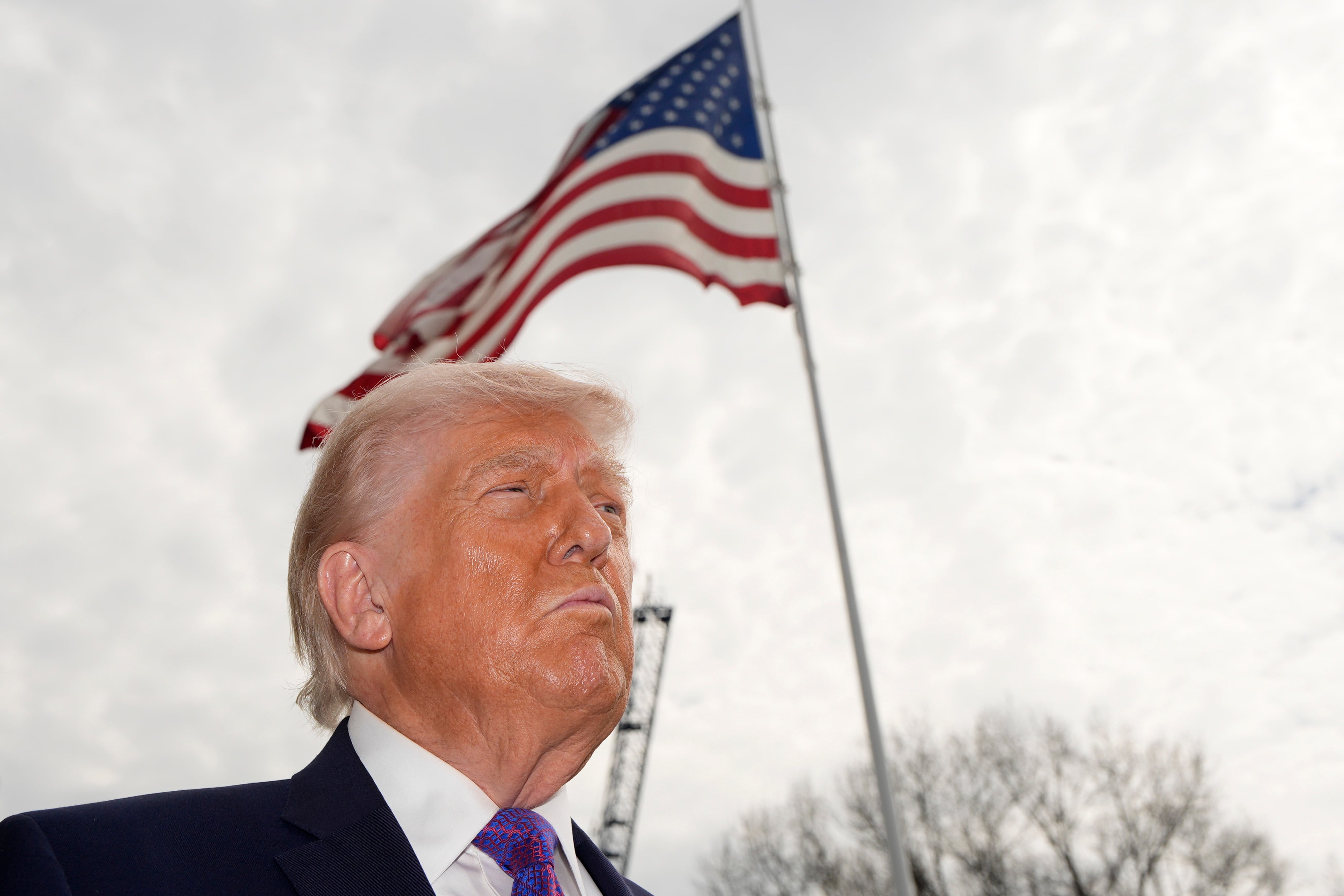
The offensive has now lasted 15 days. Kharg Island is responsible for roughly 90% of Iran's crude oil exports, making it the most sensitive economic target in the country. On the political front, President Trump has used his Truth Social platform to post about a variety of topics, but very few have focused on the ongoing war. Instead, he has targeted Representative Thomas Massie, a fellow Republican who often opposes foreign military spending. This internal political fighting shows that even within the President's own party, there is disagreement about how to handle the situation in Iran.
Background and Context
The relationship between Donald Trump and Benjamin Netanyahu has long been built on a shared goal of weakening the Iranian government. During his first term, Trump withdrew from the nuclear deal with Iran and applied heavy sanctions. Netanyahu has consistently argued that Iran is the greatest threat to Israel's safety. This current military action is the result of years of rising tension. The two leaders believe that a "maximum pressure" campaign, combining military force with economic destruction, is the only way to force Iran to change its behavior. However, critics argue that this approach lacks a clear plan for what happens after the bombs stop falling.
Public or Industry Reaction
The reaction to the bombing of Kharg Island has been a mix of support and deep concern. Supporters of the move argue that it is a necessary step to stop Iran's influence in the region. They believe that taking away Iran's oil money is the fastest way to end the conflict. On the other hand, energy analysts warn that removing Iranian oil from the market could cause a shock to the global economy. In the United States, some politicians, like Thomas Massie, have raised questions about the cost of the war and the lack of a formal declaration from Congress. These critics worry that the U.S. is getting involved in another long and expensive conflict in the Middle East.
What This Means Going Forward
As the war enters its third week, the focus will likely shift to how Iran responds to the loss of its oil infrastructure. There are fears that Iran might try to block the Strait of Hormuz, a narrow waterway where much of the world's oil passes. If that happens, the economic impact would be felt globally. For President Trump, the challenge will be managing the war while keeping his domestic supporters happy. If the war leads to higher gas prices at home, he may face more pressure from his own party to find a diplomatic solution. The coming days will determine if this military strategy leads to a quick victory or a long-lasting crisis.
Final Take
The decision to strike Iran's oil heartland is a high-stakes gamble by the Trump and Netanyahu administrations. While it weakens Iran's economy, it also creates new risks for the global economy and regional stability. The President's focus on domestic distractions may be an attempt to keep the public's attention away from the growing complications of the war. However, as the conflict continues, the reality of the situation will become harder to ignore. The success of this mission depends on whether the administration can achieve its goals without triggering a global economic downturn or an endless war.
Frequently Asked Questions
Why is Kharg Island so important?
Kharg Island is the main hub for Iran's oil exports. Almost all of the country's oil is shipped from this location, so attacking it directly hurts Iran's ability to make money and fund its government.
Why is President Trump talking about other topics during a war?
It is common for leaders to use social media to control the news cycle. By talking about the World Cup or political rivals, the President may be trying to project a sense of normalcy or avoid focusing on the difficult parts of the military campaign.
Who is Thomas Massie and why is he involved?
Thomas Massie is a Republican member of Congress who often disagrees with his party on foreign policy. He is a critic of U.S. military intervention, and his opposition highlights the divide within the Republican party regarding the war in Iran.