
Summary
The United States military is currently creating detailed plans for potential ground operations within Iran. These plans include a variety of options, such as quick raids by elite teams and the use of larger groups of soldiers for specific tasks. While the White House says that no final decision has been made to start a conflict, the Pentagon is making sure it is ready for any situation. This move highlights a growing difference between the government's calm public messages and the military's active preparations for a possible confrontation.
Main Impact
The most significant impact of this news is the shift in how the U.S. is preparing for trouble with Iran. For many years, most military discussions focused on using airplanes or ships to launch strikes from a distance. Now, the focus has expanded to include "boots on the ground," which means sending soldiers into Iranian territory. This change suggests that the U.S. believes air strikes alone might not be enough to stop certain threats. By preparing for ground missions, the military is giving the President more ways to respond if a crisis breaks out, but it also increases the risk of a much larger war.
Key Details
What Happened
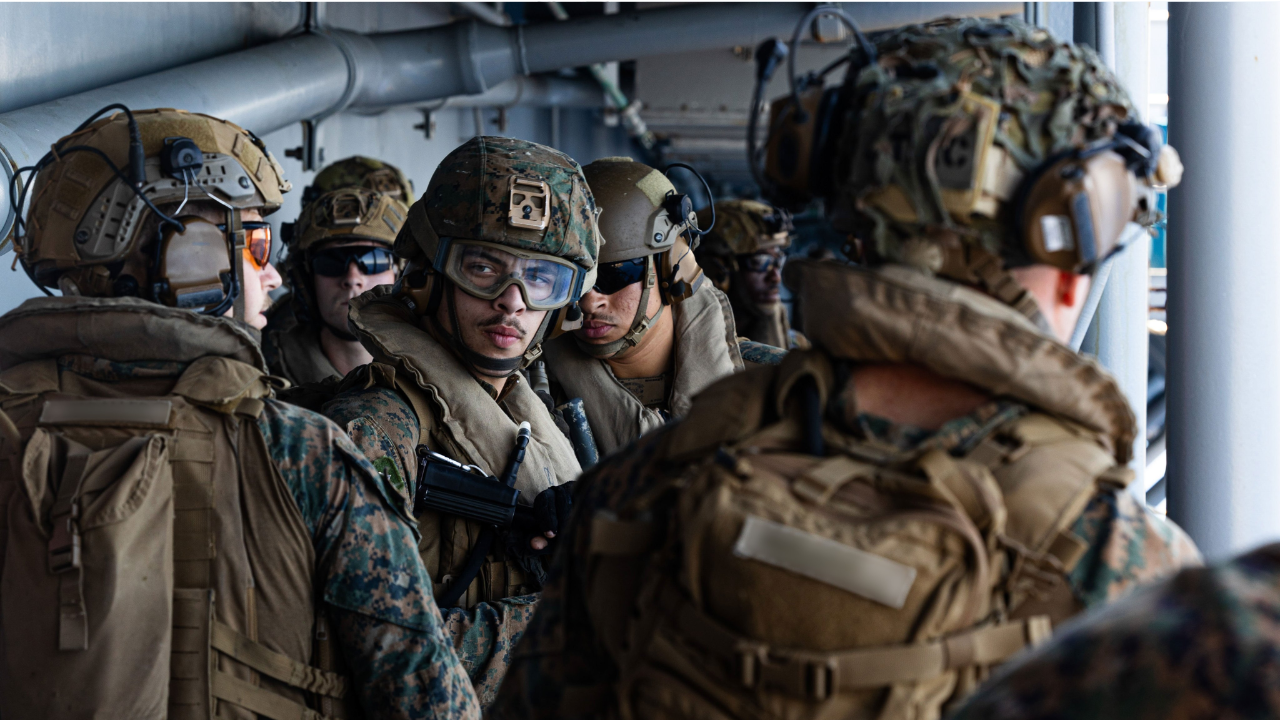
Military leaders at the Pentagon are drafting what they call "contingency plans." These are backup plans that are kept ready in case they are needed quickly. The plans look at two main types of ground action. The first type involves special operations forces. These small, highly trained teams would go into Iran to perform "targeted raids." Their goal would be to quickly destroy a specific target, like a missile launcher or a command center, and then leave immediately. The second type of plan involves "limited troop deployments." This would involve more soldiers staying in a specific area for a longer time to make sure a threat is fully removed.
Important Numbers and Facts
The Pentagon is focusing on "neutralizing" specific threats. In simple terms, this means stopping or destroying things that could hurt the U.S. or its allies. These threats often include Iran's growing collection of long-range missiles and its nuclear technology sites. While the exact number of troops involved in these plans is kept secret, the term "limited" suggests the U.S. is trying to avoid a massive, years-long war like the ones seen in the past. These plans are being updated now because of rising tensions in the Middle East and concerns that diplomatic talks might not be working.
Background and Context
To understand why this is happening, it is important to look at the history between the U.S. and Iran. The two countries have been at odds for over forty years. Recently, the situation has become more tense because of Iran's influence in other countries and its military support for various groups in the region. The U.S. government wants to prevent Iran from getting more powerful or using dangerous weapons. In the past, the U.S. mostly used economic punishments, called sanctions, to try to change Iran's behavior. However, military leaders often feel that they must have a physical plan ready if those economic punishments do not work. These new plans are a sign that the military is taking the possibility of a direct fight very seriously.
Public or Industry Reaction
The reaction to these plans is mixed. Some military experts believe that having these options ready is a good way to prevent war. They argue that if Iran knows the U.S. is ready to send in ground troops, they might be less likely to take risky actions. On the other hand, many diplomats and political experts are worried. They fear that even a small, "targeted" raid could quickly spiral out of control. If U.S. soldiers are killed or captured inside Iran, it would be very hard for the government to avoid a full-scale war. There is also concern about the "gap" in messaging. While the White House tells the public they want a peaceful solution, the Pentagon is busy planning for a fight. This can make it hard for other countries to know what the U.S. truly intends to do.
What This Means Going Forward
In the near future, we can expect the U.S. to continue its "dual-track" approach. This means they will keep talking about peace and using diplomacy while the military continues to practice for war. The next steps will depend heavily on what Iran does. If Iran continues to test new missiles or increase its military activity, the Pentagon may move these plans from the "backup" stage to a more active stage. There is also the risk of a mistake. When two militaries are both on high alert, a small misunderstanding can lead to a large conflict. The world will be watching closely to see if these plans stay on paper or if they are ever put into action.
Final Take
Preparing for a ground mission does not mean that a war is definitely going to happen. It is the job of the military to be ready for the worst-case scenario. However, the fact that the Pentagon is looking at ground operations shows that the situation with Iran has reached a very serious level. The U.S. is making it clear that it is willing to use every tool it has, including its soldiers, to protect its interests. The hope remains that these plans will never be used, but the military is making sure it is not caught off guard if things go wrong.
Frequently Asked Questions
Is the U.S. currently at war with Iran?
No, the U.S. is not currently at war with Iran. These are contingency plans, which means they are backup options created by the military in case a conflict starts in the future.
What is a "targeted raid"?
A targeted raid is a quick military mission where a small group of elite soldiers enters an area to achieve a specific goal, such as destroying a weapon or capturing a leader, and then leaves quickly.
Why is the Pentagon making these plans now?
The Pentagon is updating these plans because of increased tensions and the failure of some diplomatic efforts. They want to ensure the President has multiple options if Iran takes aggressive actions.

